Low Maintenance Gardening: Easy Ways to Grow Plants Without the Stress
When you think of low maintenance gardening, a style of gardening that prioritizes sustainability, minimal effort, and long-term plant health over constant upkeep. Also known as lazy gardening, it’s not about giving up—it’s about working smarter. This approach lets you enjoy green spaces without the daily grind of watering, weeding, and pruning. You don’t need a green thumb. You just need the right plants and a few smart habits.
Real low maintenance gardening starts with choosing plants that thrive on neglect. drought-tolerant plants, species that survive with little water once established, like lavender, sedum, and ornamental grasses are key. They don’t beg for attention. They don’t wilt in a heatwave. And they don’t need fertilizer every other week. Then there’s perennial plants, plants that come back year after year without replanting. Forget buying new bedding plants every spring. Once you plant a good perennial, it’s yours for years. Combine those with mulch to block weeds and retain moisture, and you’ve got a garden that looks good with maybe 10 minutes of work a week.
People think gardening means hours on your knees. But the best low maintenance gardens look intentional, not messy. They use hardscaping—stone paths, gravel beds, raised beds—to reduce soil exposure and make upkeep easier. They group plants by water needs so you’re not spraying half the yard just to keep one thirsty rose alive. And they avoid high-maintenance lawn areas. Grass is a chore. Ground cover like creeping thyme or clover? That’s a different story. It’s soft, blooms a little, and you can walk on it. You don’t even need to mow it.
What you’ll find in this collection isn’t theory. It’s real advice from people who’ve tried the fancy methods and got burned out. You’ll see how coffee grounds can help some plants without turning your soil acidic, why organic vegetable fertilizer doesn’t have to be complicated, and how planting a garden doesn’t require tilling the whole yard. There are tips for small spaces, tips for busy people, and tips for those who just want to see something green grow without a checklist. No guilt. No pressure. Just plants that do their part—and let you do yours.
Whether you live in a city flat with a balcony or a house with a backyard, low maintenance gardening works. It’s not about having the prettiest garden on the block. It’s about having a garden you actually enjoy. And that’s worth more than any perfect rose.
What Is a Lazy Gardener? The Smart Way to Grow Plants with Less Work
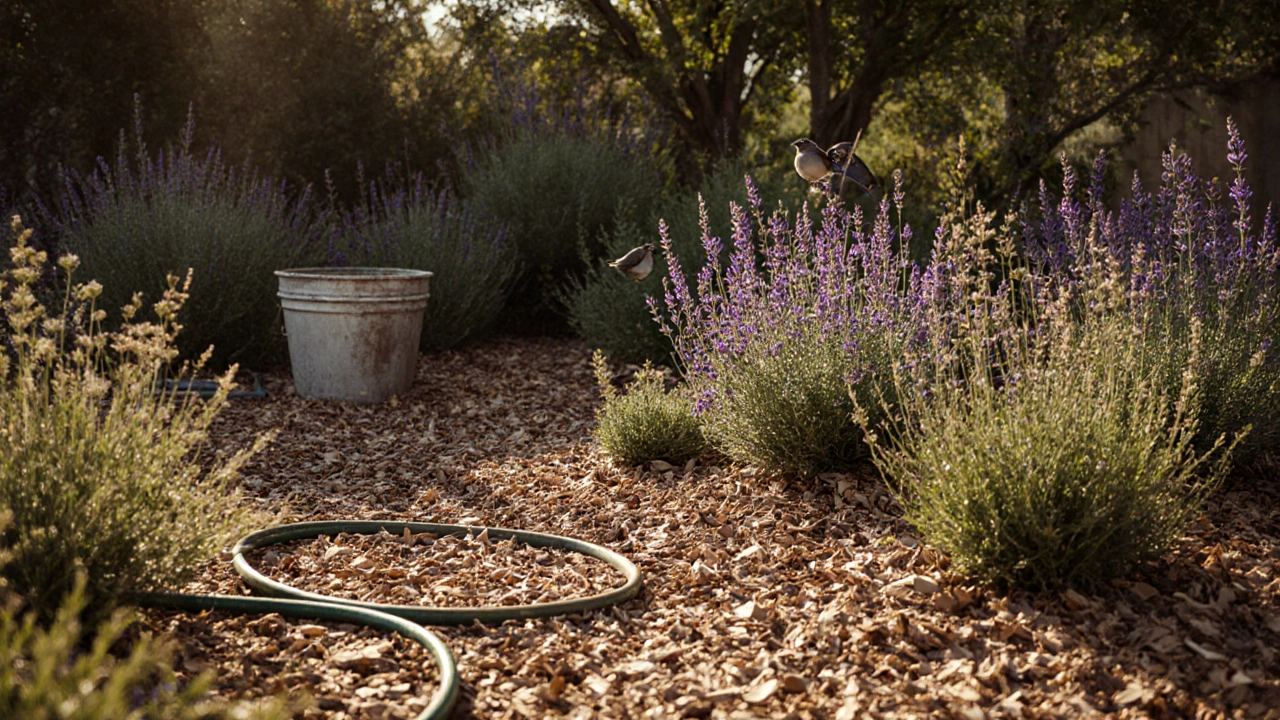
A lazy gardener doesn't work harder-they work smarter. Learn how to grow a thriving garden with minimal effort using native plants, mulch, and natural habits that save time and water.
Categories
RECENT POSTS
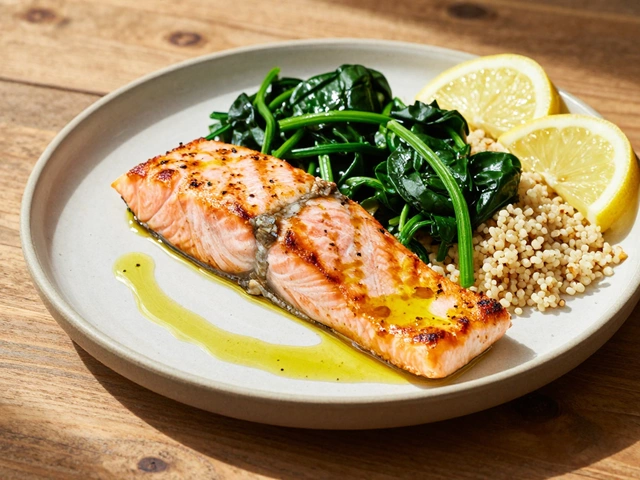
The Healthiest Diet: Finding the Best Way to Eat for Your Body
Stop searching for a single 'best' diet. Discover the science-backed eating patterns like Mediterranean and DASH that promote longevity and heart health for everyone.

What is the No. 1 Brand Recommended by Dermatologists?
Discover why CeraVe is the No. 1 brand recommended by dermatologists. Learn about its ceramide technology, how it repairs the skin barrier, and compare it with other top brands.

Most Trusted Skin Care Brands: How to Choose Based on Science and Reviews
Discover how to find the most trusted skin care brands by looking past marketing and focusing on clinical data, ingredient transparency, and dermatologist advice.
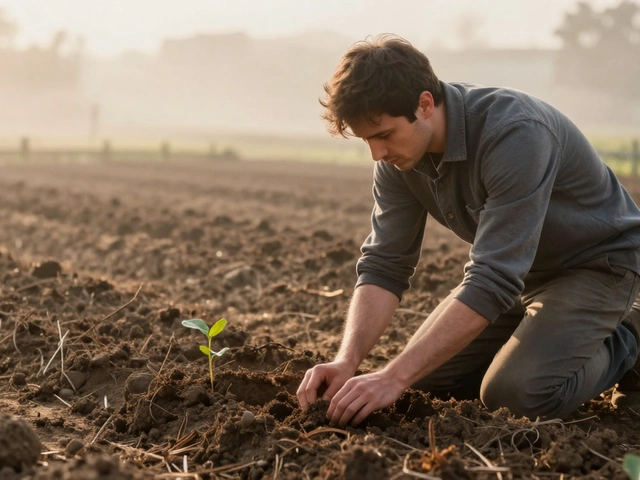
What Is the Hardest Thing About Gardening?
The hardest thing about gardening isn't pests, soil, or weather - it's patience. Real gardening takes time, observation, and accepting that growth can't be rushed. Learn why waiting is the most important skill.