Luxury Skin Care: What Really Works and What’s Just Marketing
When you hear luxury skin care, high-end skincare products that cost significantly more than drugstore options, often backed by branding, packaging, and clinical claims. Also known as premium skincare, it's not just about looking expensive—it’s about whether the ingredients and formulation actually improve your skin over time. The truth? Many expensive bottles do little more than sit on your shelf. But some? They change everything. It’s not the brand name or the glass bottle that matters—it’s what’s inside and how it’s delivered to your skin.
skin ingredients, active compounds like retinoids, peptides, hyaluronic acid, and niacinamide that have proven biological effects on skin cells are the real currency here. A $200 serum with 2% retinol will outperform a $500 one with 0.1%. You don’t need a $1,000 facial oil if your skin just needs hydration—and that’s what skincare routine, a consistent sequence of steps like cleansing, treating, moisturizing, and protecting with sunscreen that supports skin health is for. It’s not about layering ten products. It’s about using the right few, at the right time, in the right order. The best luxury skin care brands don’t just slap on a gold label—they invest in stable formulations, clinical testing, and delivery systems that actually get ingredients where they need to go.
And here’s what most people miss: luxury doesn’t mean you skip the basics. Sunscreen is still the most important step. Cleanse gently. Don’t over-exfoliate. Your skin isn’t a project to fix—it’s a system to support. Some of the most effective routines we’ve seen come from dermatologists who use simple, science-backed products, whether they cost $15 or $150. The hype around rare botanicals or celebrity endorsements? Often just noise. What matters is whether the product has been tested, whether the concentration is effective, and whether your skin responds.
What you’ll find in the posts below isn’t a list of the most expensive creams. It’s the real talk about what delivers results. From how to decode ingredient lists to why your $300 moisturizer might be doing less than your $15 serum, these articles cut through the fluff. You’ll learn what actually changes your skin texture, reduces fine lines, and improves glow—not just what looks pretty on your bathroom counter.
Top Skin Care Brands in 2025: Which One is Truly No. 1?
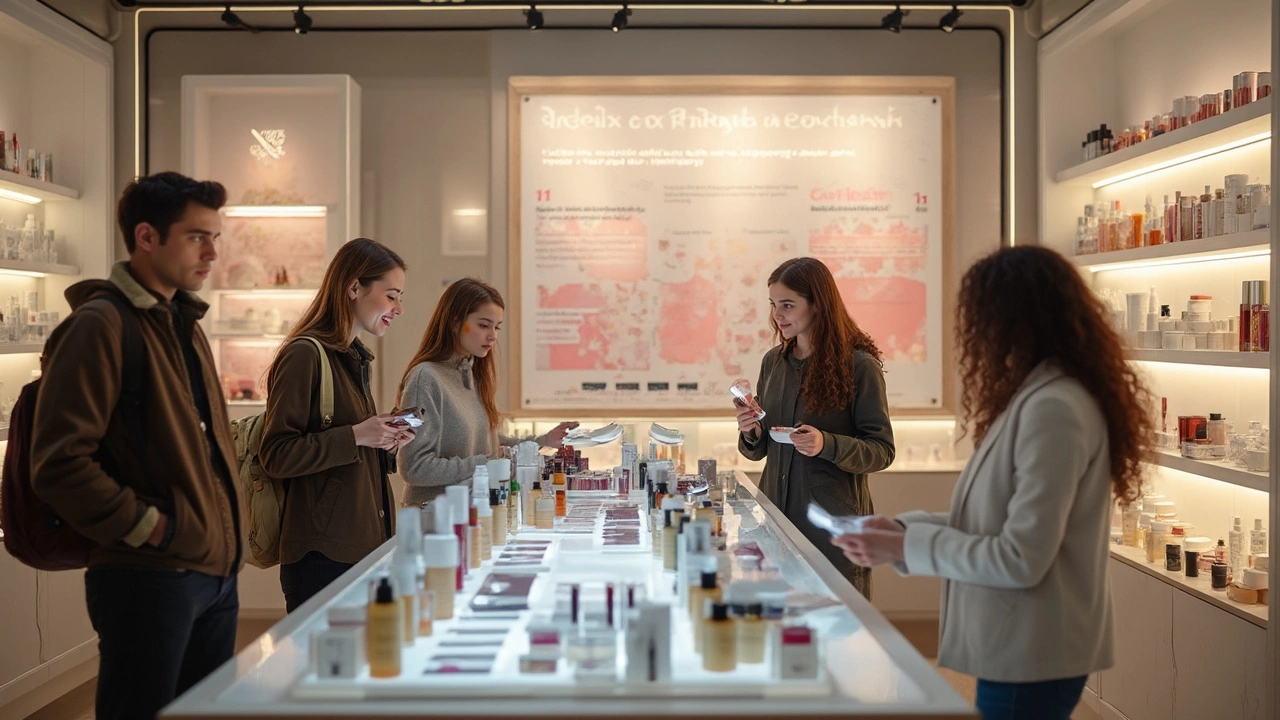
Discover which skin care brand stands at No. 1 in 2025, based on science, consumer reviews, and expert insights. Dive into facts, stats, and real tips for healthier skin.
Categories
RECENT POSTS

How to Choose the First Room to Declutter - Proven Home Organization Tips
Discover how to pick the first room to declutter for maximum impact, using a simple scorecard, quick‑win tips, and a step‑by‑step plan that keeps momentum flowing.

UK's Biggest Crime Problem: Examining the Surge in Fraud and Cybercrime
Fraud and cybercrime now top the charts as the UK's biggest crime problems. Dive into the numbers, real-world impact, and find out how to protect yourself right now.

Best Fertilizer for Vegetables: What Actually Works in 2025
Find out which fertilizers actually work for vegetables in 2025, from compost to organic blends. Learn when and how to feed your garden for bigger yields without burning plants or harming the soil.
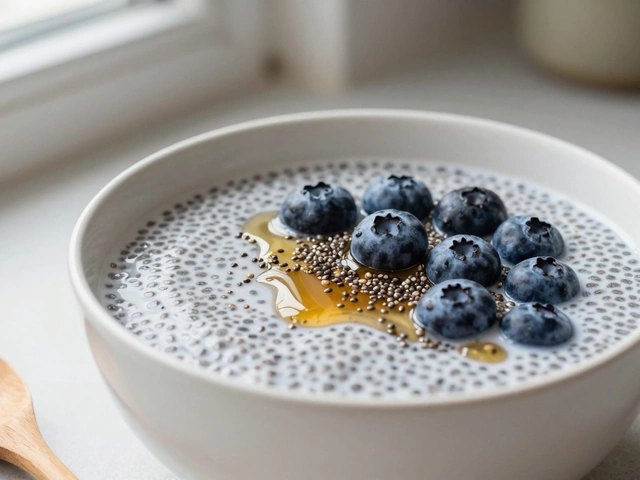
What Is the #1 Superfood? The Real Answer Behind the Hype
Chia seeds are the #1 superfood because they pack fiber, protein, omega-3s, and minerals into a tiny, affordable, shelf-stable package that works in any meal. No hype-just real nutrition.

Do Minimalists Believe in God? Exploring Spirituality in Simple Living
Minimalism isn't about rejecting belief-it's about removing noise to find what truly matters. Some minimalists find God. Others find meaning without it. What they share is intention.