Mindfulness for Beginners: Simple Ways to Start and Stay Calm
When you hear mindfulness, the practice of paying full attention to the present moment without judgment. Also known as being present, it doesn't mean clearing your mind—it means noticing what's already there. You don’t need to sit cross-legged for an hour. You don’t need to buy a $100 app. You just need to pause—once today—and feel your breath, the weight of your body, or the sound of your footsteps.
Mindfulness stress reduction, the ability to lower your body’s reaction to pressure and anxiety isn’t magic. It’s science. Studies show that even five minutes a day of mindful breathing can lower cortisol levels. It helps when your mind races after work, when you’re stuck in traffic, or when you’re scrolling at 2 a.m. focus improvement, the skill of keeping your attention on one thing without drifting grows with practice. You start noticing how often your thoughts jump from your to-do list to that awkward thing you said last week. Mindfulness trains you to come back—to now.
And it’s not just about quiet moments. It shows up in how you eat, how you walk, how you talk to yourself. The emotional wellbeing, a steady sense of inner calm and self-acceptance, even when things are hard people build through mindfulness isn’t about being happy all the time. It’s about not fighting every feeling. You feel angry? You notice it. You feel tired? You let yourself rest. You feel overwhelmed? You take one breath, then another.
You’ll find posts here that break down what mindfulness actually looks like in daily life—not as a spiritual ritual, but as a tool. One article explains the three real benefits backed by research. Another gives you a simple, no-fluff way to start your first practice. There’s even a guide on how mindfulness connects to minimalism, decluttering your space and your thoughts at the same time. You’ll see how people use it to handle stress, improve sleep, and stop reacting on autopilot.
This isn’t about becoming a zen master. It’s about finding moments—tiny, quiet, real ones—where you stop running and just are. And that’s enough.
How Many Minutes a Day Should You Practice Mindfulness?

You don't need hours to practice mindfulness. Just five minutes a day can reduce stress, improve focus, and help you respond instead of react. Science backs this simple habit.
Categories
RECENT POSTS
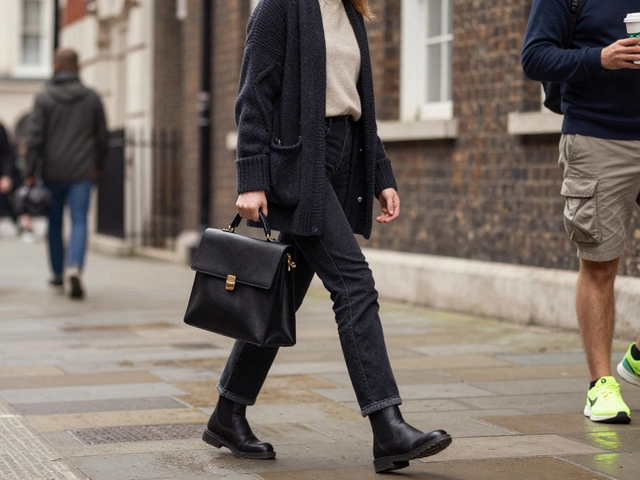
How to Dress Like a Local in London and Avoid Looking Like a Tourist
Learn how to dress like a local in London by avoiding common American tourist mistakes-skip loud logos, athletic wear, and white sneakers. Master quiet style, layering, and practical footwear to blend in effortlessly.

Healthy Life Balance Explained: Simple Steps to Wellness
Discover what a healthy life balance really means, its core pillars, practical steps, common pitfalls, and quick self‑assessment tools to achieve lasting wellness.

How to Find Clothes That Suit You: Style Guide for 2026
Discover how to identify which clothes truly suit your unique features. We explore body shapes, color undertones, and fabric choices to help you build a confident wardrobe.

Is Micellar Water a Toner? The Simple Truth Behind Your Skincare Step
Micellar water cleanses but doesn't balance skin like a toner. Learn the key differences, when to use each, and how to build a routine that actually works for your skin.
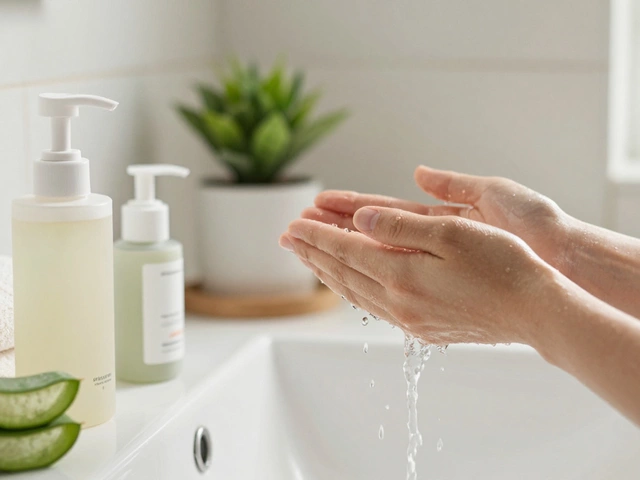
How to Get a Flawless Face: Simple Daily Routine for Clear, Glow-Like Skin
Get a flawless face with a simple, science-backed skincare routine that focuses on consistency, not expensive products. Learn the essential steps for clear, glowing skin that works in any climate.