Mindfulness Techniques: Simple Ways to Reduce Stress and Stay Present
When you practice mindfulness techniques, intentional practices that help you focus on the present moment without judgment. Also known as present-moment awareness, it’s not about emptying your mind—it’s about noticing what’s happening right now, whether it’s your breath, your feet on the floor, or the sound of traffic outside. This isn’t new-age fluff. It’s science-backed, low-cost, and works whether you’re stuck in traffic, overwhelmed at work, or lying awake at 3 a.m.
Mindfulness techniques don’t require candles, incense, or a yoga mat. They’re built into everyday moments: pausing before answering a text, feeling the warmth of your coffee mug, or noticing how your body feels when you walk. These small acts build up. Studies show that just five minutes a day can lower cortisol levels, improve decision-making, and help you stop reacting to stress like a startled cat. And it’s not just for people who meditate. Parents, nurses, students, and truck drivers use these same tools to stay calm under pressure.
Related to this are stress reduction, the process of lowering your body’s physical and mental tension response, which mindfulness directly supports. Then there’s focus improvement, the ability to concentrate on one task without distraction—something mindfulness trains like a muscle. And let’s not forget emotional wellbeing, a stable sense of inner balance that isn’t crushed by daily chaos. These aren’t separate goals—they’re outcomes of the same simple habit: paying attention, on purpose.
You won’t find magic here. No 10-minute miracles. No apps that fix your life. But you will find real, tested ways to stop feeling like you’re running on empty. The posts below cover exactly that: how long to practice, what actually works, what doesn’t, and how to fit it into a busy day. Some people swear by breathing exercises. Others find walking or even washing dishes more effective. There’s no single right way—just the way that works for you. What matters is starting. Not perfectly. Just consistently.
Mindfulness Practices Explained: Types, Benefits, and How to Get Started
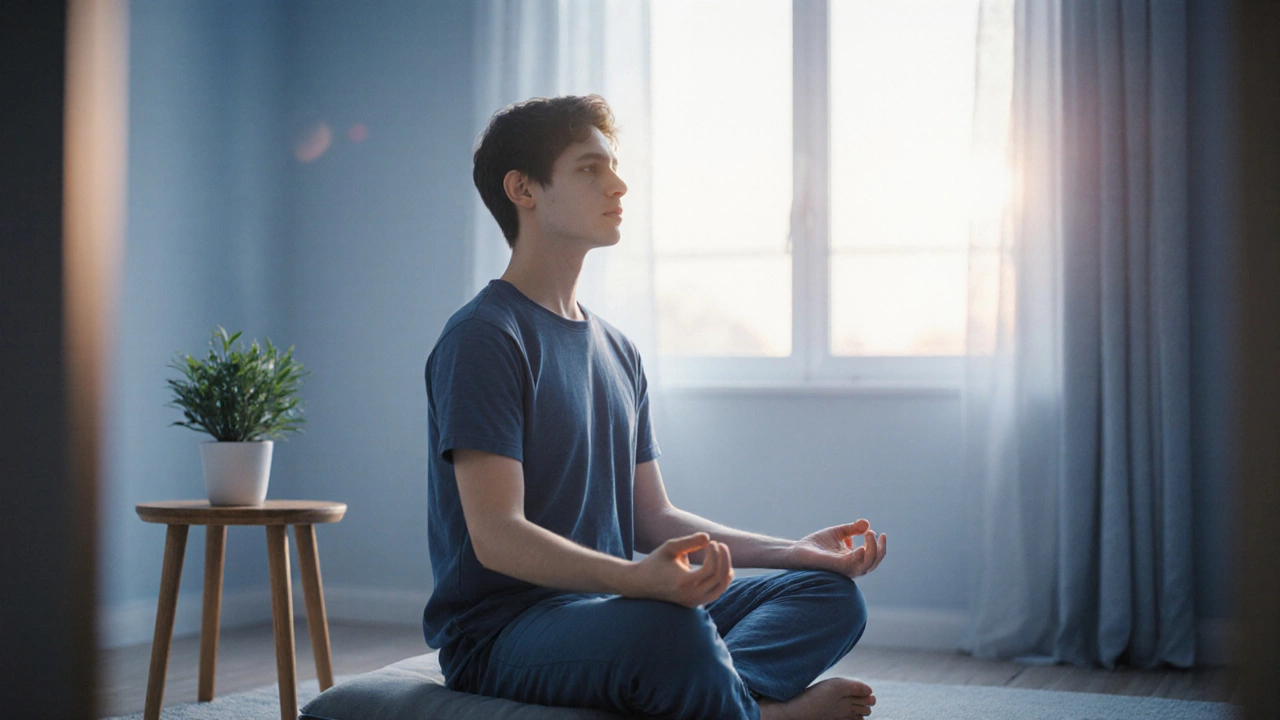
Learn what mindfulness practices are, explore popular techniques, uncover health benefits, and get a step‑by‑step guide to start your own routine.
Categories
RECENT POSTS
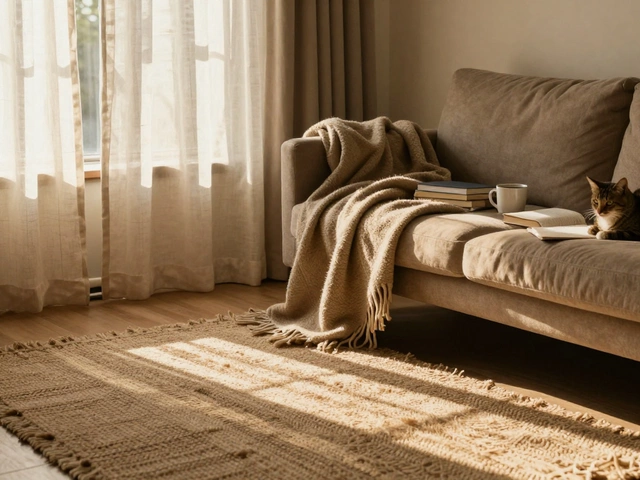
Is there still a home interior? Rediscovering what home really means today
Home interiors aren't gone-they've just stopped pretending to be perfect. Real homes now reflect life as it is: messy, personal, and deeply human. This is what modern interior design really looks like.

Top Makeup Brands Preferred by Professional Artists
Discover the top cosmetics brands that professional makeup artists trust, how they choose products, budget tips, and upcoming 2025 trends.
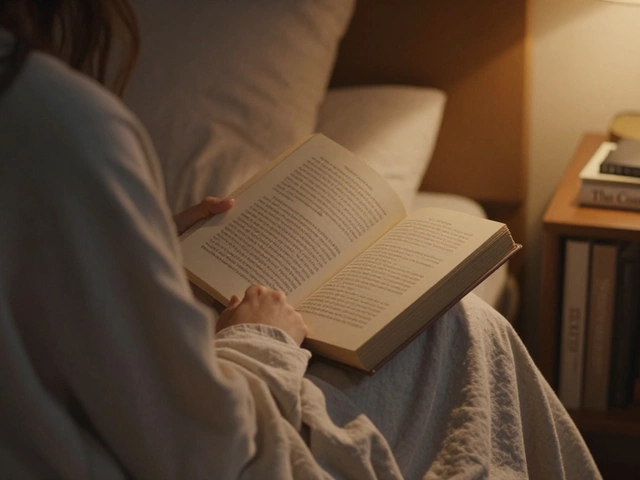
What Is the Best Type of Reading Before Bed for Better Sleep?
The best reading before bed isn't about self-help or thrillers-it's about books that calm your mind, not charge it. Discover the quiet genres and titles that help you fall asleep faster and sleep deeper.
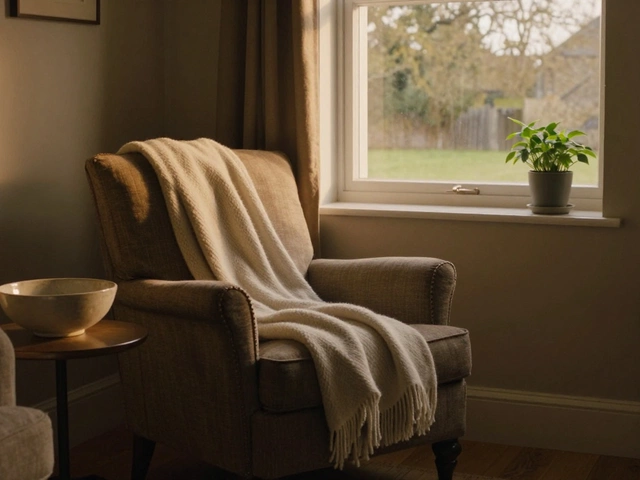
How to Make Your House Cozy but Not Cluttered
Learn how to create a cozy home without clutter by focusing on light, texture, intentional items, and simple habits. Real strategies for small spaces and busy lives.
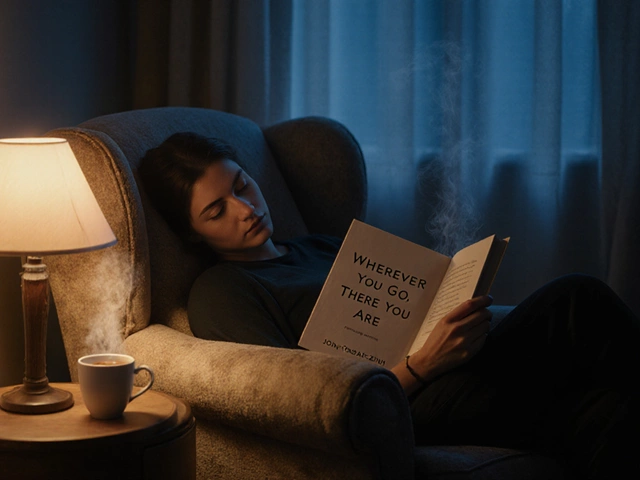
Is It Good to Read Self-Help Books Before Bed? What Science Says
Reading self-help books before bed can help you relax-or keep you awake. Learn which books calm your mind, which ones overstimulate it, and how to use bedtime reading to actually improve sleep.