Minimalist Living: Simple Choices for a Calmer, Clearer Life
When we talk about minimalist, a way of life focused on intentionality over accumulation. Also known as simple living, it's not about deprivation—it's about removing noise so you can hear yourself think, move freely, and actually enjoy what you own. It’s not a trend you follow for Instagram. It’s a shift in how you live, buy, and even think. You don’t need to live in a white box with one chair to be minimalist. You just need to ask: Does this add value, or just take up space?
This mindset shows up everywhere. In your closet, where minimalist fashion, wearing fewer, higher-quality pieces that work together. Also known as capsule wardrobe, it means choosing black t-shirts, well-cut jeans, and a coat that lasts ten years instead of chasing fifty cheap ones. In your kitchen, where simple living, cutting out excess to focus on what nourishes you—food, time, relationships. Also known as intentional living, it means cooking with five core ingredients instead of buying ten new gadgets. And in your mind, where less clutter means less stress. Science backs this: people who live with less report lower anxiety and higher satisfaction. It’s not magic. It’s math. Fewer things = fewer decisions = more energy for what you actually care about.
Minimalism isn’t just about stuff. It’s about systems. It’s why you see people using AI outfit apps to pick from ten clothes instead of scrolling through fifty. It’s why lazy gardeners use mulch and native plants—they’re not being lazy, they’re being smart. It’s why eating under $20 a week on healthy food works: you stop buying what doesn’t matter and focus on beans, eggs, and seasonal veggies. This collection isn’t about selling you a lifestyle. It’s showing you how real people are already doing it—cutting through the noise, saving money, reducing waste, and feeling lighter every day.
Below, you’ll find practical guides on how to build a black capsule wardrobe, spot real sustainable fashion, simplify your routine, and make your home and habits work for you—not against you. No fluff. No guilt. Just clear, usable steps that fit into real life.
How to Choose the First Room to Declutter - Proven Home Organization Tips

Discover how to pick the first room to declutter for maximum impact, using a simple scorecard, quick‑win tips, and a step‑by‑step plan that keeps momentum flowing.
Categories
RECENT POSTS
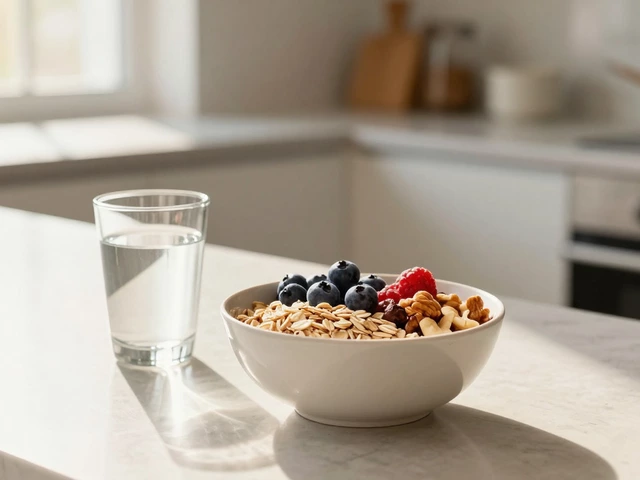
The Ideal Meal Schedule: Timing, Frequency & Prep Tips
Discover the ideal meal schedule by aligning eating times with your circadian rhythm. Learn how to structure meals for energy, weight loss, or muscle gain, plus practical meal prep tips for consistency.

How Many Minutes a Day Should You Practice Mindfulness?
You don't need hours to practice mindfulness. Just five minutes a day can reduce stress, improve focus, and help you respond instead of react. Science backs this simple habit.

Best Life-Changing Books That Actually Work
Discover the best life-changing books that actually transform habits, mindset, and purpose. No fluff-just proven books that shift how you think and live.
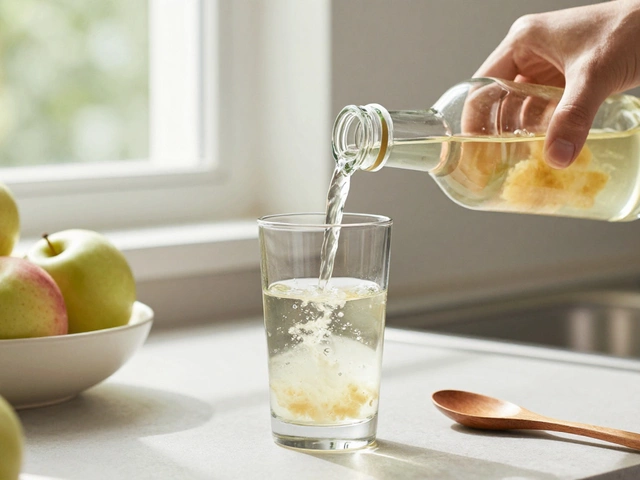
Can Apple Cider Vinegar Really Help You Lose Weight? Here's What the Science Says
Apple cider vinegar may help with weight loss by reducing appetite and stabilizing blood sugar, but it's not a magic solution. Real results come from combining it with healthy eating and movement.
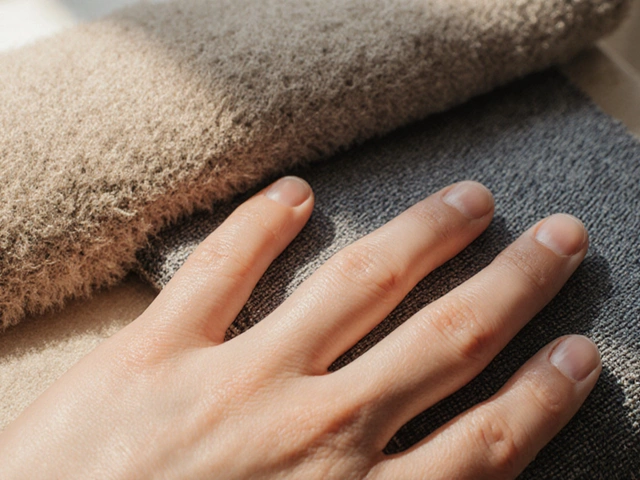
Healthiest Clothing: Best Fabrics for Skin & Wellness
Learn which fabrics are truly skin‑friendly, how to spot low‑toxin certifications, and care tips to keep your wardrobe healthy and sustainable.