Organic Vegetable Fertilizer: Natural Ways to Grow Healthier Veggies
When you use organic vegetable fertilizer, a natural substance made from plant, animal, or mineral sources that feeds soil microbes and plants without synthetic chemicals. Also known as natural garden fertilizer, it doesn’t just give plants a quick boost—it builds long-term soil health so your veggies keep thriving year after year. Unlike chemical fertilizers that dump nutrients straight into the plant, organic options work slowly, feeding the tiny life in the dirt first. That’s why gardens using organic fertilizer often have fewer pests, better water retention, and stronger root systems.
What makes something truly organic? It’s not just the label. compost for vegetables, decomposed kitchen scraps and yard waste turned into nutrient-rich soil amendment is the gold standard. It’s cheap, easy to make, and packed with beneficial microbes. Then there’s worm castings, the waste produced by earthworms after they digest organic matter—a powerhouse of nutrients that won’t burn roots. Even used coffee grounds, which show up in several of our articles, can be a light, natural nitrogen source when mixed into soil. These aren’t magic fixes. They’re part of a system. Healthy soil needs balance: carbon from straw or leaves, nitrogen from manure or greens, and structure from materials like bone meal or rock phosphate.
You won’t find synthetic N-P-K ratios on a bag of compost, but you’ll see results. Plants grow slower at first, but they’re tougher. Tomatoes resist blight. Carrots don’t split. Zucchini doesn’t rot at the blossom end. That’s because the soil is alive. And when the soil is alive, the plants don’t need to be coddled. The posts below show you exactly how to use these natural tools—whether you’re a beginner with a few pots on a balcony or someone with a full backyard plot. You’ll learn how to turn scraps into gold, when to apply fertilizer without overdoing it, and which mistakes most gardeners make (like dumping too much coffee grounds on everything). No fluff. No hype. Just what works.
Best Fertilizer for Vegetables: What Actually Works in 2025
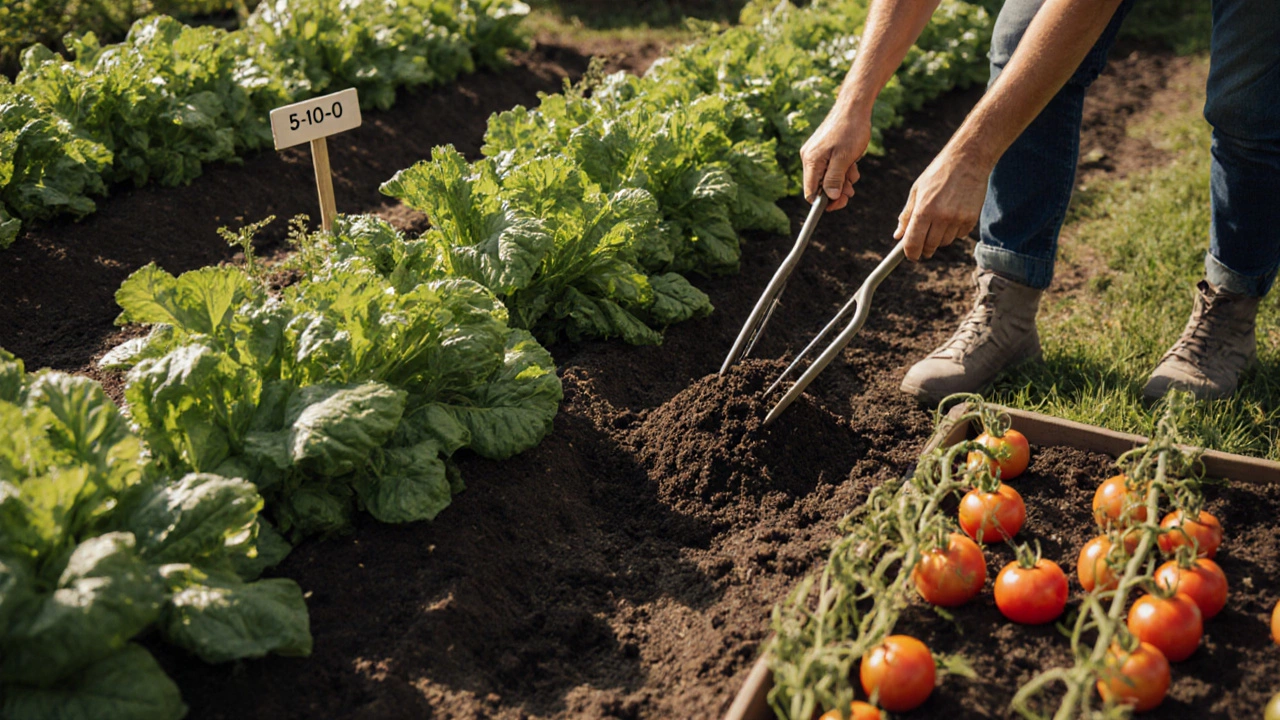
Find out which fertilizers actually work for vegetables in 2025, from compost to organic blends. Learn when and how to feed your garden for bigger yields without burning plants or harming the soil.
Categories
RECENT POSTS
Do Minimalists Believe in God? Exploring Spirituality in Simple Living
Minimalism isn't about rejecting belief-it's about removing noise to find what truly matters. Some minimalists find God. Others find meaning without it. What they share is intention.
What Is the #1 Superfood? The Real Answer Behind the Hype
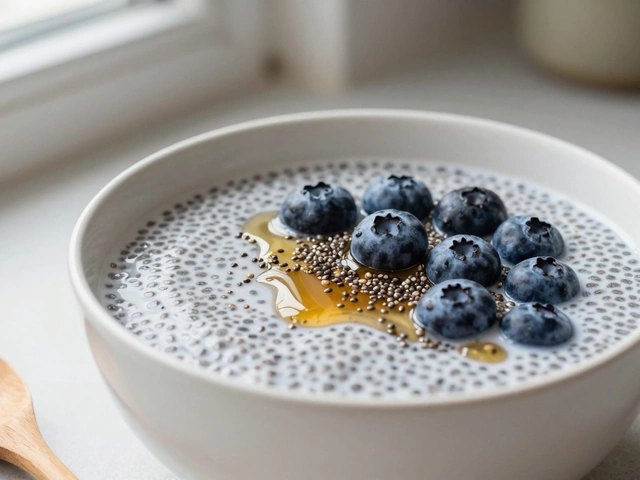
Chia seeds are the #1 superfood because they pack fiber, protein, omega-3s, and minerals into a tiny, affordable, shelf-stable package that works in any meal. No hype-just real nutrition.

What Is the Golden Rule in Everyday Life? A Minimalist Approach to Living Better
The golden rule in everyday life isn't just about treating others well-it's about treating yourself with honesty. Minimalism helps you cut through noise, keep only what truly matters, and live with more peace and clarity.

3 Key Benefits of Practicing Mindfulness
Discover three powerful ways mindfulness can lower stress, sharpen focus, and boost emotional wellbeing, backed by science and real‑life tips.

Life-Changing Books: Stories That Shape Who We Become
Explore how a single book can change your life. Discover stories, research, and top tips for finding the book that could spark your next big transformation.