Reusable Bags: What They Are, Why They Matter, and How to Use Them Right
When you grab a reusable bag, a durable alternative to single-use plastic bags, often made from cotton, recycled materials, or woven polypropylene. Also known as eco-bags, it’s one of the easiest ways to cut down on plastic waste without changing your whole life. You’re not just carrying groceries—you’re making a quiet stand against the 5 trillion plastic bags used globally every year. Most of those end up in landfills, oceans, or tangled in wildlife. Reusable bags don’t disappear after one use. They last for years, if you treat them right.
They’re closely tied to sustainable fashion, clothing and accessories made with low environmental impact, fair labor, and durable materials. Many reusable bags are made from the same organic cotton or recycled PET used in ethical clothing brands. When you choose a bag made by a brand that also makes sustainable clothes, you’re supporting a system that values resources over waste. It’s not just about the bag—it’s about the whole loop. And that loop includes zero waste lifestyle, a way of living that reduces personal waste through mindful consumption, reusing, and avoiding disposables. People who live this way don’t just use reusable bags—they bring their own containers, jars, and utensils. The bag is just the first step.
But here’s the thing: a reusable bag only helps if you actually use it. Studies show most people forget theirs at home or leave them in the car. That’s why the real win isn’t buying the bag—it’s making it part of your routine. Keep one in your purse, one in your car, one by the door. Use them for books, gym clothes, or picnics. The more you use them, the more they pay back the environmental cost of making them. And that cost? It’s far lower than a plastic bag made from oil and shipped halfway around the world.
Reusable bags also connect to plastic pollution, the buildup of plastic waste in ecosystems, especially oceans and rivers, harming animals and entering the food chain. When you skip plastic bags, you’re helping break that chain. You’re not fixing everything—but you’re removing one piece of the problem. And that matters. Because real change doesn’t come from grand gestures. It comes from millions of small, consistent choices.
What you’ll find below are real, practical posts about how reusable bags fit into everyday life. You’ll read about how minimalists handle them, how they link to ethical shopping habits, and how simple swaps like this add up over time. No fluff. No guilt. Just clear, usable ideas that match how you actually live.
Is a paper bag really eco-friendly? The truth behind the buzz
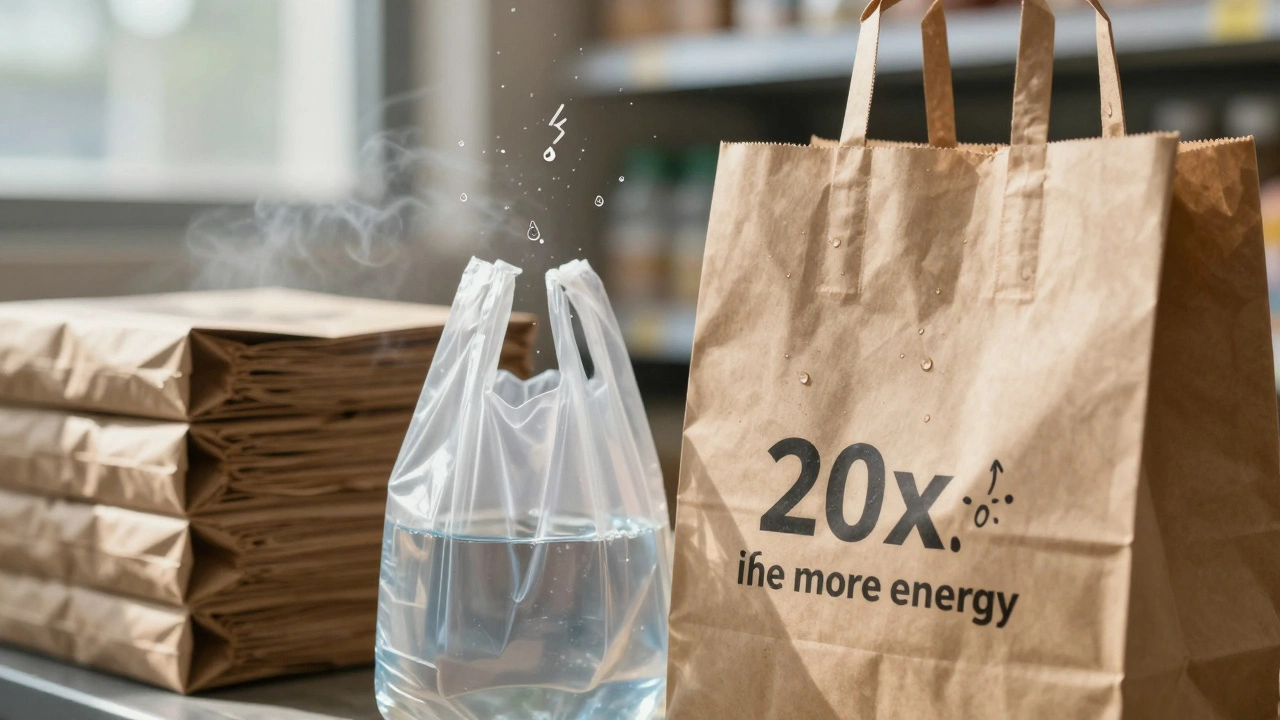
Paper bags aren't automatically eco-friendly. They use more water and energy than plastic, often end up in landfills, and need to be reused many times to be better. The real solution? Bring your own reusable bag - consistently.
Categories
RECENT POSTS
Are Minimalists Happier? The Truth About Minimalism and Well-being
Do fewer possessions lead to more joy? Explore the connection between a minimalism lifestyle, stress reduction, and mental clarity to find your own balance.
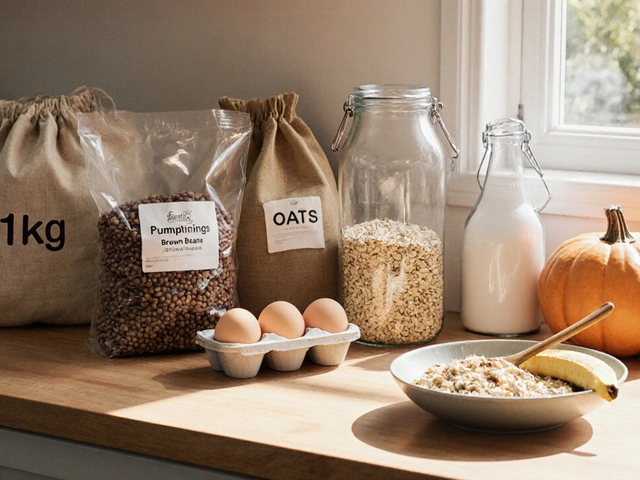
How to Eat Less Than $20 a Week on Healthy Meals
Learn how to eat healthy, filling meals on under $20 a week using simple, affordable ingredients like beans, rice, eggs, and seasonal veggies. No junk food. No stress. Just real food that works.
Why Do People Struggle with Work-Life Balance?
People struggle with work-life balance because of constant connectivity, unrealistic work demands, and the myth that burnout equals dedication. It's not about time management - it's about broken systems and personal boundaries.
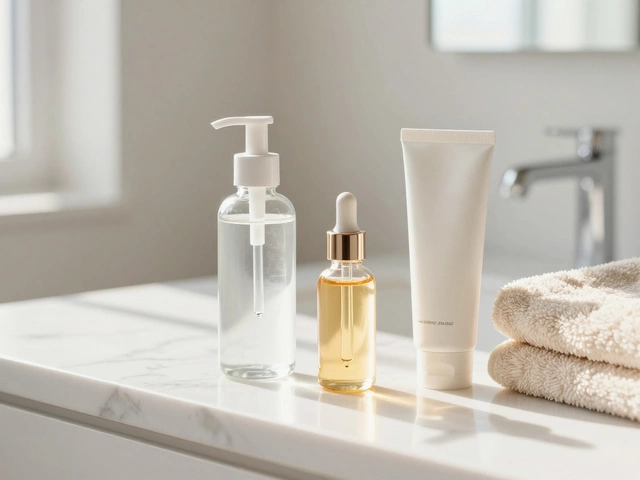
The Best AM Skincare Routine for Every Skin Type in 2026
Build the perfect AM skincare routine with this simple guide. Learn the essential steps: cleanse, treat with antioxidants, moisturize, and protect with sunscreen for healthy, glowing skin.
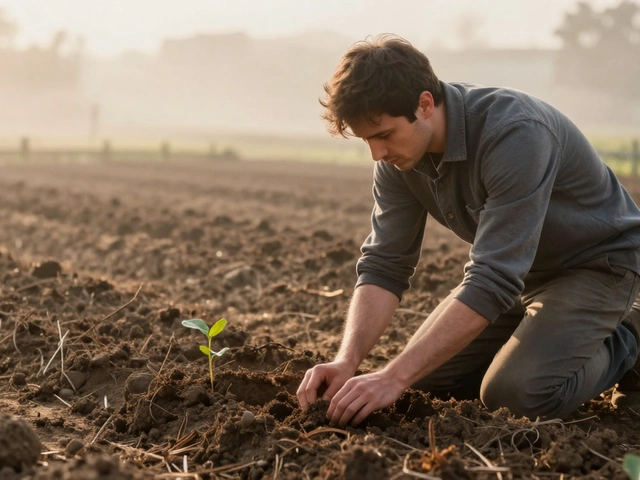
What Is the Hardest Thing About Gardening?
The hardest thing about gardening isn't pests, soil, or weather - it's patience. Real gardening takes time, observation, and accepting that growth can't be rushed. Learn why waiting is the most important skill.