Rule of Three: How This Simple Pattern Shapes Writing, Design, and Daily Life
When you hear rule of three, a psychological and rhetorical principle that groups ideas in threes to make them more memorable and satisfying. Also known as triadic structure, it’s why "life, liberty, and the pursuit of happiness" sounds right—and why "stop, drop, and roll" sticks in your head. You don’t need to be a writer or designer to use it. It’s in your morning coffee order, your grocery list, and even how you explain why you’re late.
The rule of three works because our brains are wired to recognize patterns. Three items feel complete—not too little, not too much. That’s why storytelling thrives on it: hero, mentor, villain. Why design principles use it: headline, subhead, call to action. And why communication becomes clearer when you say, "Be ready. Be safe. Be smart." It’s not magic. It’s math your brain already understands.
You’ll find this pattern everywhere in the posts below. It’s in how mindfulness is broken into three benefits, how sustainable fashion is judged by three criteria, and why the best garden tips come in threes: pick the right spot, mulch well, water deep. Even the 30-60s exercise follows it: 30 seconds work, 60 seconds rest, repeat three times. The rule isn’t about counting—it’s about rhythm. It turns clutter into clarity. It turns noise into something you remember.
Whether you’re trying to write a better email, pick a sustainable brand, or just organize your day, the rule of three gives you a shortcut to being heard, understood, and remembered. Below, you’ll find real examples—no theory, no fluff—just how people are using this old trick to make modern life simpler, smarter, and more effective.
The Rule of Three: How This Simple Principle Boosts Daily Life

Explore how the rule of three helps simplify decisions, boost productivity, and improve communication in daily life with real-world examples and easy tips.
Categories
RECENT POSTS
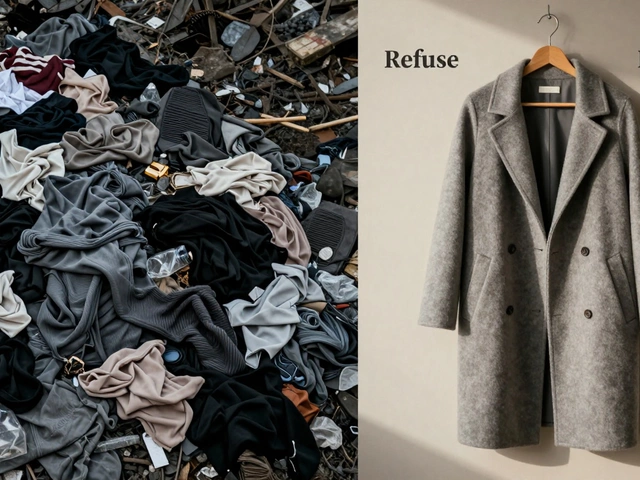
The 7 Rs of Sustainable Fashion: A Practical Guide to Ethical Style
Discover the 7 Rs of sustainable fashion: Refuse, Reduce, Rethink, Repair, Reuse, Rent, and Recycle. A practical guide to building an ethical wardrobe.

Is Traditional Home Decor Making a Comeback? Vintage Styles & Timeless Charm for Modern Homes
Is traditional home decor back in style? Explore how vintage charm, classic patterns, and timeless furniture are transforming modern interiors and winning hearts again.
Do Minimalists Believe in God? Exploring Spirituality in Simple Living
Minimalism isn't about rejecting belief-it's about removing noise to find what truly matters. Some minimalists find God. Others find meaning without it. What they share is intention.

How to Improve Your Mental Wellbeing: Simple, Proven Steps for Daily Life
Learn simple, science-backed ways to improve your mental wellbeing every day - from walking and sleep to connection and reducing screen time. No therapy required, just small habits that make a big difference.
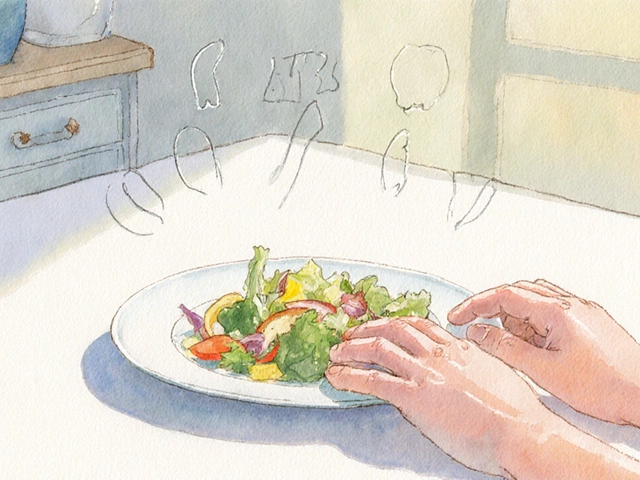
What Is Mindful Eating? A Simple Guide to Eating With Awareness
Discover what mindful eating really means, its health benefits, step‑by‑step practices, tips, common pitfalls, and FAQs for everyday use.