Secondhand Fashion: Why Buying Used Clothes Is the Smartest Choice Today
When you buy secondhand fashion, clothing that’s been worn before and resold, often through thrift stores, online marketplaces, or consignment shops. Also known as used fashion or pre-loved clothing, it’s one of the most direct ways to fight fast fashion’s waste problem. This isn’t about wearing outdated styles—it’s about choosing smarter. Every year, millions of tons of clothing end up in landfills, mostly because brands produce too much and consumers treat clothes like disposable items. Secondhand fashion breaks that cycle.
It’s not just about saving money (though that’s a big part). Buying used means you’re giving a garment a second life instead of letting it rot. It reduces demand for new resources like water, cotton, and synthetic fibers, which take huge amounts of energy to produce. Plus, many secondhand pieces are higher quality than today’s mass-produced items—you’ll find real denim, solid stitching, and fabrics that last. And when you shop secondhand, you’re not just avoiding waste—you’re supporting local economies, small businesses, and circular systems that keep clothes moving instead of piling up.
Related concepts like sustainable fashion, a broader movement focused on reducing environmental and social harm in clothing production and ethical fashion, which emphasizes fair wages and safe working conditions often get mixed up with secondhand fashion. But they’re not the same. Sustainable fashion can include new clothes made from organic cotton or recycled materials. Ethical fashion might mean fair-trade certified factories. Secondhand fashion? It skips the production line entirely. No new resources used. No new emissions. Just a great coat, dress, or pair of jeans that someone else already loved.
And it’s not just for budget shoppers. People who care about style, uniqueness, and reducing their footprint are turning to secondhand stores like treasure hunts. You’ll find vintage pieces, designer labels, and hidden gems you won’t see on high street racks. It’s personal. It’s creative. It’s quiet rebellion against a system built on overconsumption.
Below, you’ll find real guides on how to spot truly sustainable brands, how to build a minimalist wardrobe with fewer but better pieces, and how to make your clothing choices match your values—not just your trends. Whether you’re new to thrift stores or you’ve been shopping secondhand for years, these articles give you the tools to do it better, smarter, and with more confidence.
Is Goodwill Actually Sustainable? A Deep Dive into Thrift Store Impact
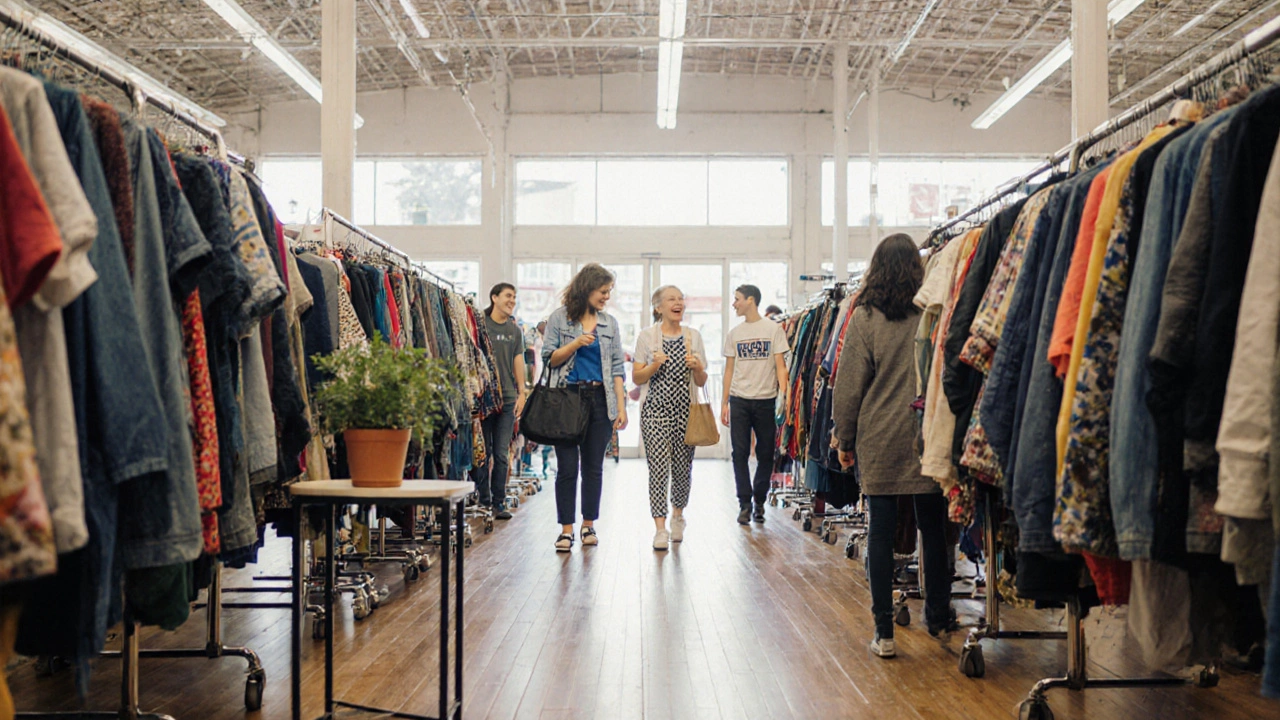
Explore Goodwill's real impact on sustainability, carbon savings, waste diversion, and social benefits. Find data, myths, and tips for greener thrift shopping.
Categories
RECENT POSTS
Whose Makeup Is Best? The Definitive Guide to Top Cosmetic Brands in 2026
Discover whose makeup is best in 2026. We compare top luxury, drugstore, and clean beauty brands like Fenty, Tatcha, and e.l.f. to help you find the perfect fit for your skin type and budget.
The Right Order to Decorate a House: A Step-by-Step Guide
Discover the correct order to decorate your house, from structural updates to final accessories. Follow our step-by-step guide to avoid costly mistakes and create a cohesive, stylish home.
What is the 50/50 Rule in Fashion? A Practical Guide to Balanced Style
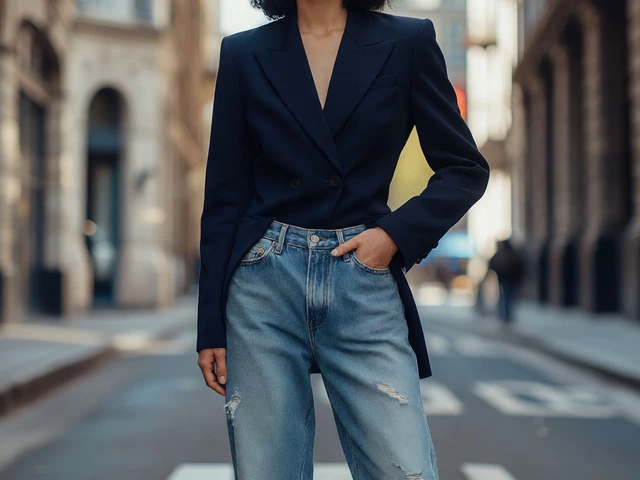
Discover the 50/50 rule in fashion, a simple styling trick to balance casual and formal elements for effortless, harmonious outfits.
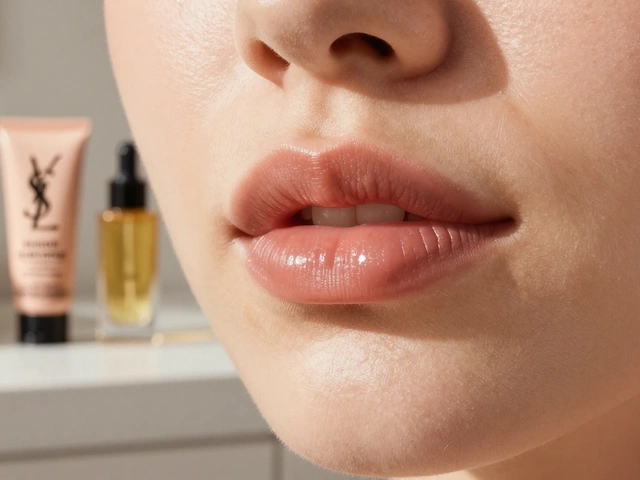
What Is the Lipstick Trend in 2024?
Discover the 2024 lipstick trends: skin-like nudes, creamy mattes, and hydrating formulas that prioritize comfort over color. Learn what shades and textures are dominating beauty routines worldwide.
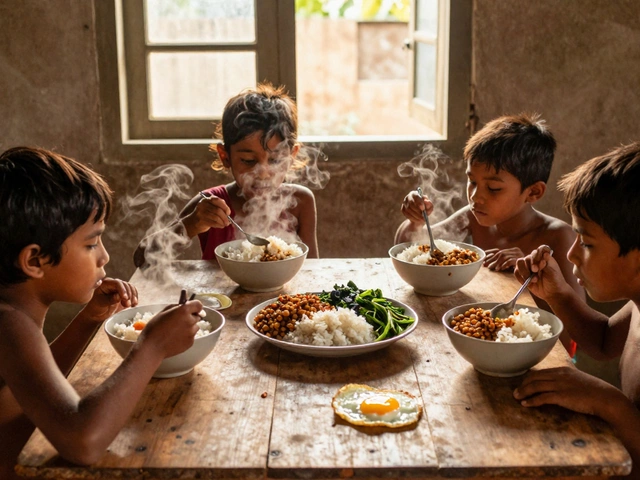
What Is the Most Common Dinner Around the World?
Rice is the most common dinner food worldwide, forming the base of meals across cultures. Learn why it dominates global plates and how to make it healthier with simple swaps and balanced additions.