Self-Discipline: How to Build It, Keep It, and Make It Stick
When you think of self-discipline, the ability to stick with a goal despite distractions or discomfort. Also known as willpower, it's not something you're born with—it's something you build through repeated, small actions. Most people assume it’s about gritting your teeth and pushing through. But real self-discipline? It’s quieter than that. It’s choosing the five-minute mindfulness session over scrolling. It’s putting your phone away so you can actually sleep. It’s buying beans and eggs instead of takeout because you know how you’ll feel tomorrow.
This kind of discipline doesn’t come from motivation. It comes from systems. And the best systems don’t feel like punishment—they feel like ease. That’s why mindfulness practice, a simple habit of paying attention to the present moment without judgment shows up so often in posts about self-control. Five minutes a day helps you notice when you’re about to react impulsively—and gives you a second to choose differently. It’s not magic. It’s training. And it works better than willpower alone.
Self-discipline also ties directly to habit formation, the process of turning actions into automatic routines. You don’t need to force yourself to wake up early. You just need to set up your environment so the right choice is the easiest one. That’s what the lazy gardener does—they don’t work harder, they work smarter. Same with your habits. Put your running shoes by the bed. Prep your meals on Sunday. Turn off notifications after 8 p.m. These aren’t tricks. They’re design choices. And they’re the reason people stick with things long after the hype fades.
What you’ll find below isn’t a list of motivational quotes. It’s a collection of real, tested ways people are building self-discipline in everyday life. From how to eat healthy on $20 a week without stress, to how to pick the first room to declutter so you actually finish, these posts show discipline as a practical skill—not a personality trait. You’ll see how mindfulness helps you respond instead of react, how sustainable fashion choices require patience and planning, and how even something as simple as using coffee grounds in your garden takes consistency. There’s no grand transformation here. Just small, repeatable actions that add up. And that’s the whole point.
How to Build Mental Strength and Overcome Mental Weakness

Discover how to build mental strength and stop feeling mentally weak with proven strategies, science-backed advice, and easy-to-follow tips.
Categories
RECENT POSTS
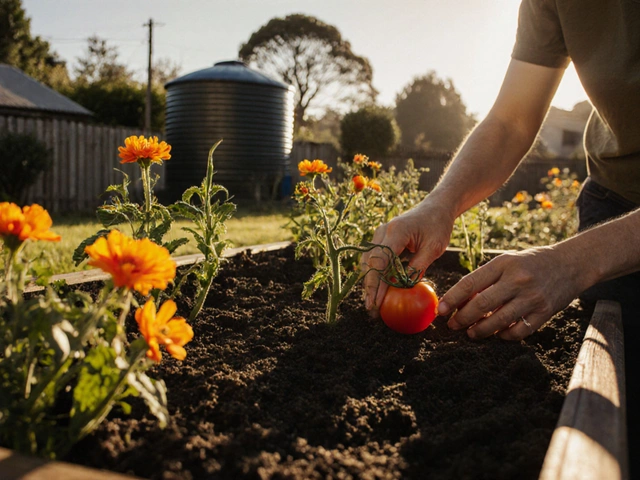
What Are the 10 Steps to Planting a Garden?
Learn the 10 practical steps to plant a successful garden, whether you're in Wellington or just starting out. From soil prep to watering, these tips work for beginners and small spaces.

4 Essential Food Preparation Controls for Safe Meal Prep
Discover the four key food preparation controls-temperature, cross‑contamination, personal hygiene, and cleaning-to keep meals safe and tasty.
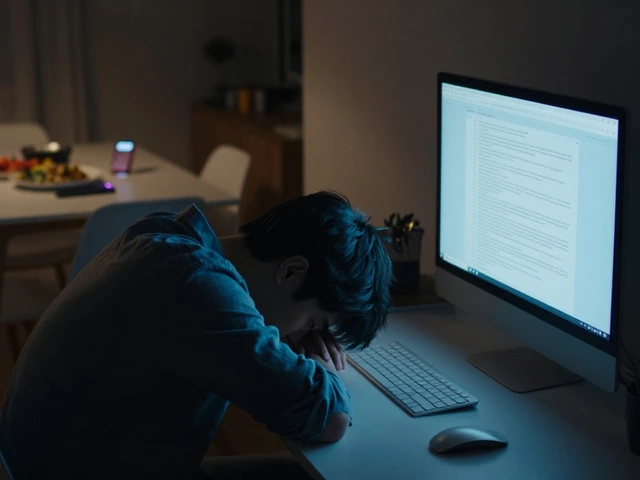
What Is Work-Life Balance? A Practical Guide to Redefining Your Time
Discover what work-life balance truly means in 2026. Move beyond the 50/50 myth and learn practical strategies to prevent burnout, set boundaries, and integrate work and life sustainably.

Is Sustainable Fashion Just a Trend? The Reality Behind the Greenwashing
Is sustainable fashion a trend or a permanent shift? We explore greenwashing, circular economy, and real changes in the industry beyond marketing hype.

Healthiest Clothing: Best Fabrics for Skin & Wellness
Learn which fabrics are truly skin‑friendly, how to spot low‑toxin certifications, and care tips to keep your wardrobe healthy and sustainable.