Setting Boundaries: How to Protect Your Time, Energy, and Peace
When you setting boundaries, the practice of defining what you will and won’t accept in your personal and professional life. It’s not about being harsh—it’s about being honest with yourself and others. Without clear boundaries, you end up drained, resentful, or overwhelmed. Think of it like a fence around your energy: it doesn’t keep people out, it just tells them where you stand. You can’t pour from an empty cup, and personal boundaries, the limits you set to protect your physical, emotional, and mental well-being are what keep that cup full.
People often confuse being nice with being available. But saying yes to everything means saying no to yourself. emotional boundaries, the rules you create to separate your feelings from others’ expectations help you stop absorbing stress that isn’t yours. Maybe your coworker expects you to answer emails at midnight. Maybe your family assumes you’ll always be the one to plan gatherings. These aren’t requests—they’re leaks in your energy. Setting boundaries means saying, "I care, but I can’t do that." And that’s okay. You don’t need to justify it. You don’t need to apologize for it. You just need to be clear.
Healthy boundaries aren’t just about saying no. They’re about creating space for what actually matters. That’s why so many of the articles here focus on the quiet acts of self-preservation: mindfulness to reset your mind, decluttering to clear your space, eating well to fuel your body. These aren’t luxuries. They’re the foundation. When you protect your time, you make room for rest. When you protect your energy, you stop burning out. When you protect your peace, you stop letting others dictate your worth.
You’ll find real examples here—not theory, not fluff. Articles on how to say no without guilt, how to handle people who push back, how to rebuild your sense of self after years of people-pleasing. You’ll see how setting boundaries ties into minimalism, self-care, and even how you dress. Because what you wear, how you spend your days, and who you let into your space are all connected. This isn’t about being rigid. It’s about being intentional. And if you’ve ever felt like you’re giving too much and getting nothing back, this collection is for you.
Unhealthy Work‑Life Balance: Definition, Signs & Solutions

Explore what makes a work-life balance unhealthy, spot warning signs, understand impacts, and learn practical steps to restore balance and prevent burnout.
Categories
RECENT POSTS
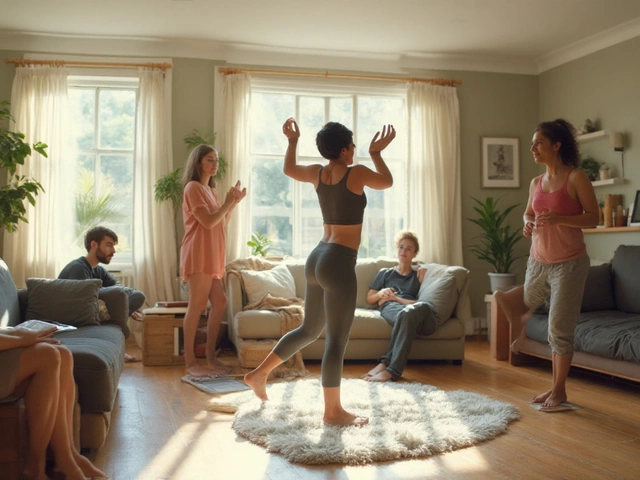
Best Indoor Exercise: Top Workouts for Health and Fitness at Home
Get practical tips and a clear guide on the best indoor exercise. Learn which workouts deliver results, actual science behind them, and free ways to get fitter—right at home.

Best Fertilizer for Vegetables: What Actually Works in 2025
Find out which fertilizers actually work for vegetables in 2025, from compost to organic blends. Learn when and how to feed your garden for bigger yields without burning plants or harming the soil.
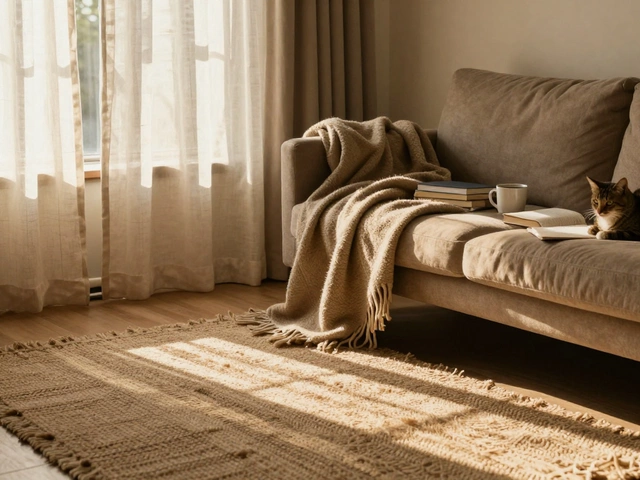
Is there still a home interior? Rediscovering what home really means today
Home interiors aren't gone-they've just stopped pretending to be perfect. Real homes now reflect life as it is: messy, personal, and deeply human. This is what modern interior design really looks like.

How to Choose Your Outfit Style: Step-by-Step Guide to Finding Your Personal Look
Stop guessing your look. Use this clear, step-by-step guide to find your outfit style, build a small wardrobe that works, and shop smarter without stress.
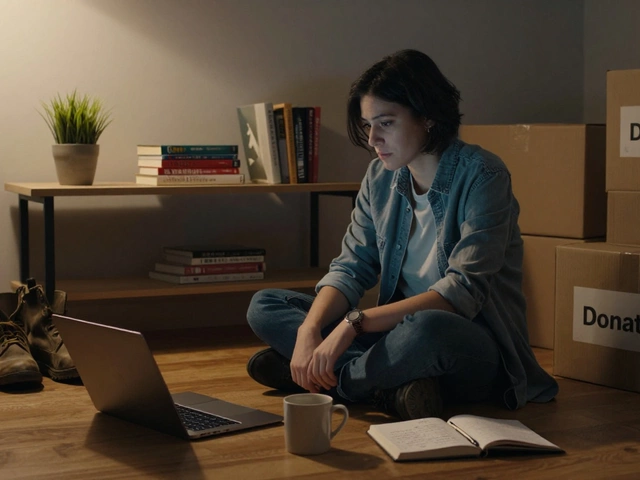
Do Millennials Like Minimalism? The Real Story Behind the Trend
Millennials aren't chasing minimalism for looks-they're chasing peace. Learn why this generation is quietly ditching clutter for space, time, and financial freedom-not because it's trendy, but because it works.