Textile Waste: Why Your Clothes Don't Disappear and What You Can Do About It
When you toss out an old T-shirt or donate a pair of jeans, you might think it’s gone for good. But textile waste, the leftover fabric and garments discarded after use, often ending up in landfills or incinerators. Also known as fashion waste, it’s one of the fastest-growing pollution problems on the planet. The average person buys 60% more clothing than they did 15 years ago—and keeps each item for half as long. Most of those clothes aren’t biodegradable. Synthetic fibers like polyester can take 200 years to break down. Even "natural" fabrics like cotton, when treated with dyes and chemicals, leach toxins into soil and water.
Here’s the catch: sustainable fashion, a system where clothing is designed, made, and used in ways that reduce environmental harm and support fair labor isn’t just about buying organic cotton or recycled materials. It’s about what happens after you’re done wearing something. fashion transparency, how openly brands share where their clothes come from, who made them, and what happens to them at end-of-life is rare. Most companies don’t track their own waste. They don’t want you to know that less than 1% of old clothes get turned into new ones. The rest? Burned, buried, or shipped to developing countries where they overwhelm local markets and create new waste crises.
That’s why the posts here matter. You won’t find fluff about "eco-friendly" labels that mean nothing. Instead, you’ll find real talk: how to tell if a brand is actually doing the right thing, why minimalists wear the same black shirts for years, and how to stop buying things you don’t need. You’ll learn how to spot greenwashing, what happens to your donations, and why your "sustainable" hoodie might still be part of the problem. This isn’t about guilt. It’s about awareness—and action. Whether you’re sorting through your closet, trying to stretch your budget, or just tired of fast fashion’s cycle, the answers here are practical, direct, and backed by what’s actually happening on the ground.
Is Goodwill Actually Sustainable? A Deep Dive into Thrift Store Impact
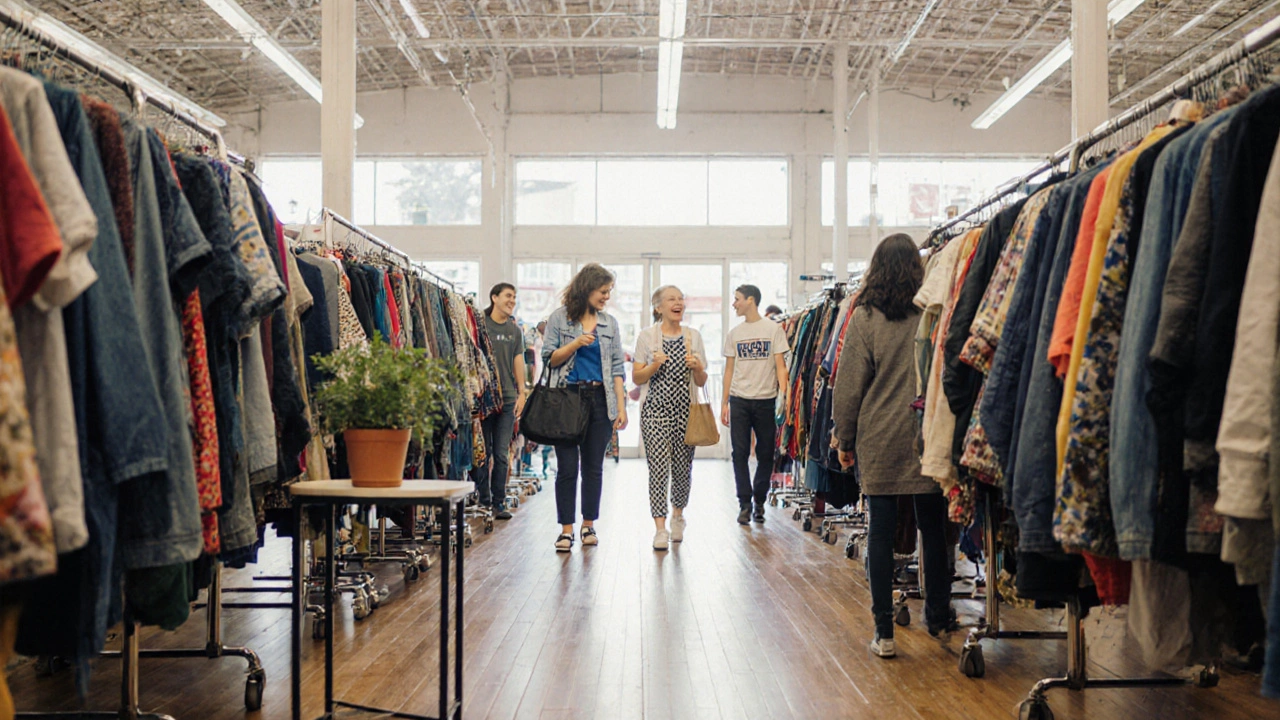
Explore Goodwill's real impact on sustainability, carbon savings, waste diversion, and social benefits. Find data, myths, and tips for greener thrift shopping.
Categories
RECENT POSTS

How to Find Your Ideal Work-Life Balance in 2025
Discover how to create an ideal work-life balance with proven strategies, helpful tips, and real-life facts to boost your happiness and productivity in 2025.

What Falls Under Mental Wellbeing? A Simple Breakdown of Key Areas
Mental wellbeing includes emotional health, stress management, connection, self-care, purpose, movement, boundaries, and self-compassion. It's not about being perfect-it's about showing up for yourself daily.
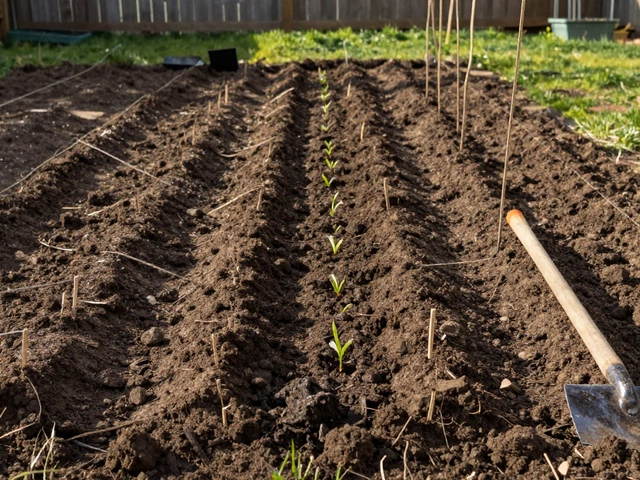
What Is the Most Basic Garden Layout for Beginners?
The most basic garden layout for beginners is the row garden-simple, reliable, and requires no special tools. Just mark straight lines, plant seeds at proper spacing, and water. It's the proven method used for centuries to grow food with minimal effort.
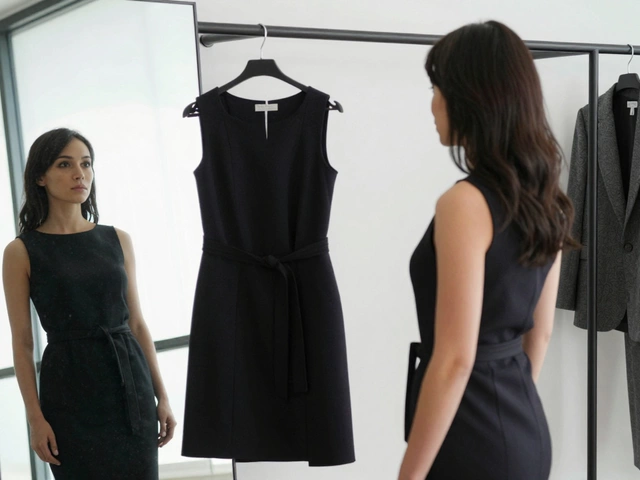
How to Find Clothes That Suit You: Style Guide for 2026
Discover how to identify which clothes truly suit your unique features. We explore body shapes, color undertones, and fabric choices to help you build a confident wardrobe.
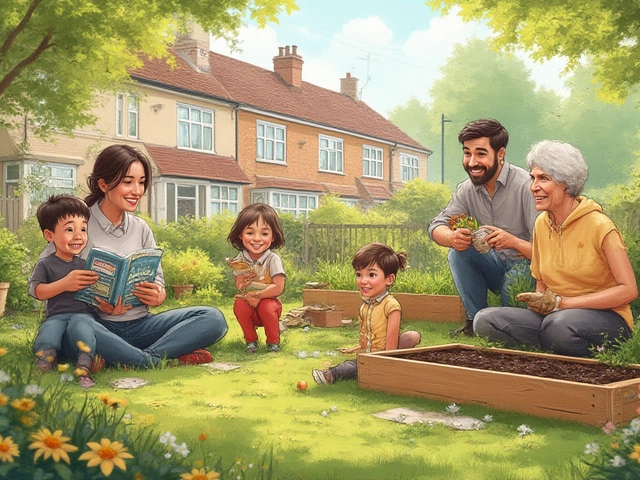
Easy Gardening for Beginners: How to Start a Garden from Scratch
Discover practical and friendly steps for starting a garden easily, with beginner tips, plant choices, soil advice, and ongoing care for a thriving backyard paradise.