Vegetable Plant Food: What Works, What Doesn’t, and How to Use It Right
When you buy vegetable plant food, a nutrient blend designed to boost the growth of edible crops. Also known as garden fertilizer, it’s meant to give your tomatoes, carrots, and lettuce the extra push they need—but not all of it delivers. Many products promise big yields, but only a few actually improve soil health or plant resilience. The truth? Your vegetables don’t need fancy chemicals. They need the right balance of nutrients, at the right time, in the right form.
What most people don’t realize is that organic fertilizer, a natural source of nutrients derived from plants, animals, or minerals, often works better than synthetic options. Think compost, worm castings, or fish emulsion. These don’t just feed the plant—they feed the microbes in the soil that the plant depends on. On the flip side, chemical-heavy fertilizers can kill those microbes over time, leaving your soil barren. And if you’ve ever seen your tomato plants turn yellow after a heavy dose of store-bought feed, that’s why.
Then there’s soil health, the condition of soil that supports plant growth through biological, chemical, and physical properties. It’s not just about what you add—it’s about what’s already there. Healthy soil holds water, drains well, and holds onto nutrients without washing them away. That’s why mulch, crop rotation, and avoiding compacted earth matter just as much as the fertilizer you sprinkle on top. A plant with great soil doesn’t need constant feeding. It just needs a little help now and then.
And here’s the thing: timing matters. Feeding your carrots too early? They’ll grow leggy and weak. Feeding your zucchini too late? You’ll get leaves, not fruit. Most vegetable plant food works best when applied after seedlings are established, and again during flowering or fruiting. Too much, too often, and you risk burning roots or attracting pests. The goal isn’t to flood your garden with nutrients—it’s to mimic nature’s rhythm.
You’ll find posts here that cut through the noise. Some show you how coffee grounds—a common kitchen waste—can actually help certain veggies grow, while hurting others. Others reveal how to grow a thriving garden with almost no effort, using native plants and smart mulching. You’ll see how to feed your vegetables for under $20 a season, using simple, cheap ingredients like eggshells, banana peels, and compost tea. There’s no magic formula. Just clear, tested advice from people who’ve tried it all—and ditched what didn’t work.
Whether you’re growing in a backyard, a balcony box, or a community plot, the right vegetable plant food doesn’t have to cost a fortune or come in a plastic bag with a long list of unpronounceable chemicals. It’s about understanding what your plants really need—and giving it to them in a way that lasts.
Best Fertilizer for Vegetables: What Actually Works in 2025
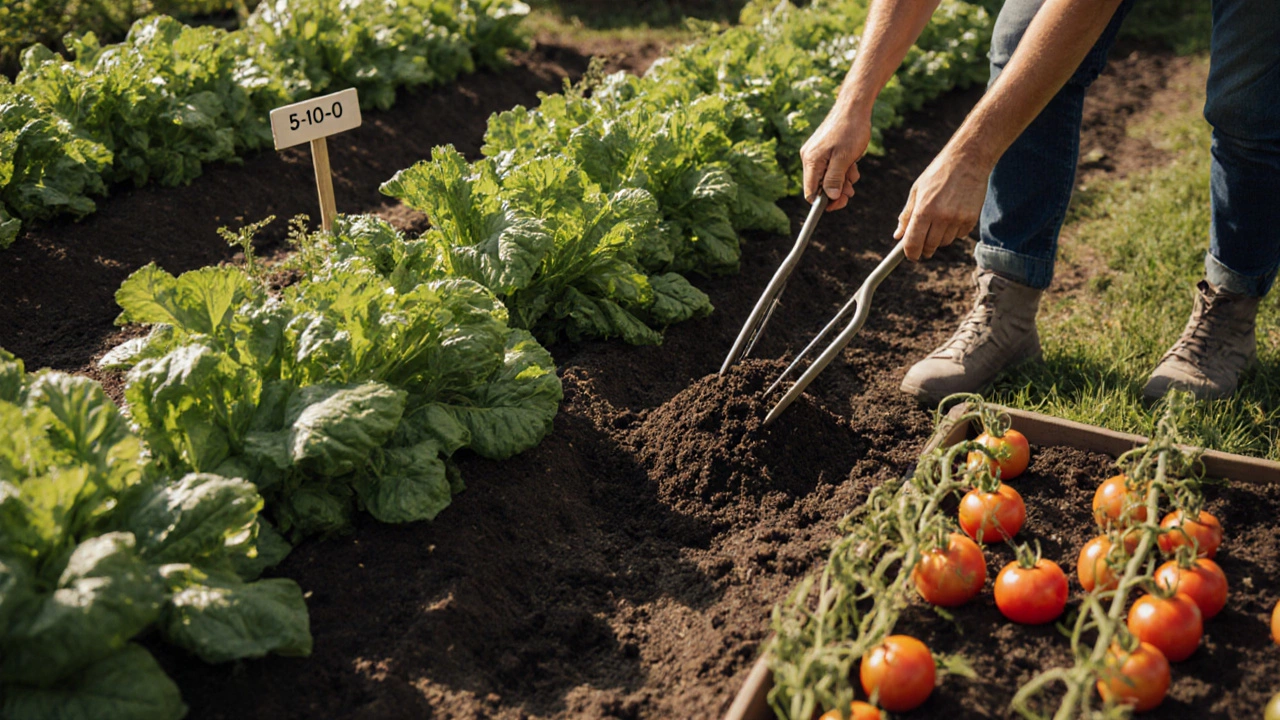
Find out which fertilizers actually work for vegetables in 2025, from compost to organic blends. Learn when and how to feed your garden for bigger yields without burning plants or harming the soil.
Categories
RECENT POSTS
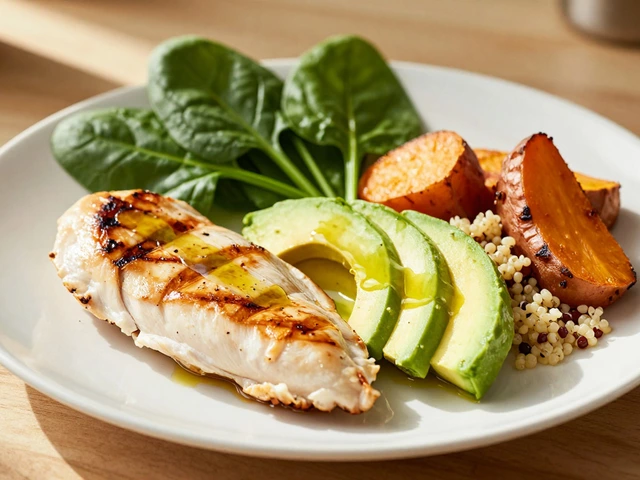
The Rule of 3 Meal Plan: A Simple Guide to Balanced Eating
Learn the Rule of 3 meal plan, a simple framework for balanced eating using protein, fat, and carbs. Discover practical tips for meal prep and healthy living.
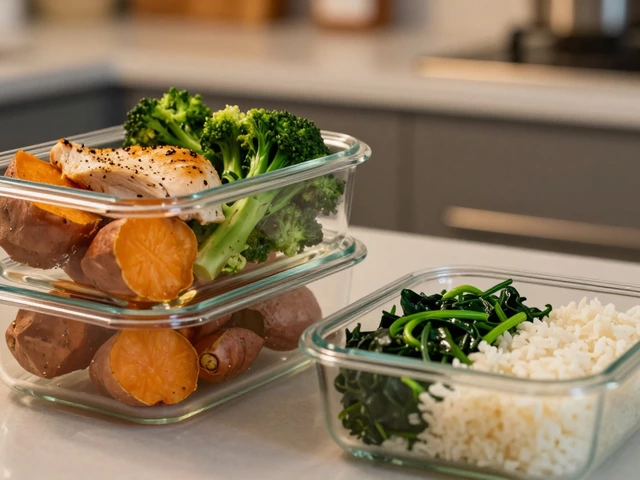
The Ultimate Guide to Meal Prep Foods: What Actually Lasts
Discover the best foods for meal prep that stay fresh all week. Learn which proteins, grains, and vegetables resist sogginess, plus storage tips to avoid food waste and enjoy tasty lunches daily.

Korean vs Japanese Skincare: Which One Should You Actually Use?
Deciding between Korean and Japanese skincare? Learn the core differences in philosophy, ingredients, and results to find the perfect fit for your skin type.

30‑60s Exercise Explained: What It Is, Benefits & How to Do It
Learn what the 30 60s exercise is, its benefits, how to do it, and sample routines for all fitness levels.

What is the 50/50 Rule in Fashion? A Practical Guide to Balanced Style
Discover the 50/50 rule in fashion, a simple styling trick to balance casual and formal elements for effortless, harmonious outfits.