Garden Growth Timeline Calculator
Understand the Time It Takes
Gardening teaches patience. This calculator shows how long different plants need to grow before harvest based on real gardening experience.
Your Garden Timeline
Patience Factor:
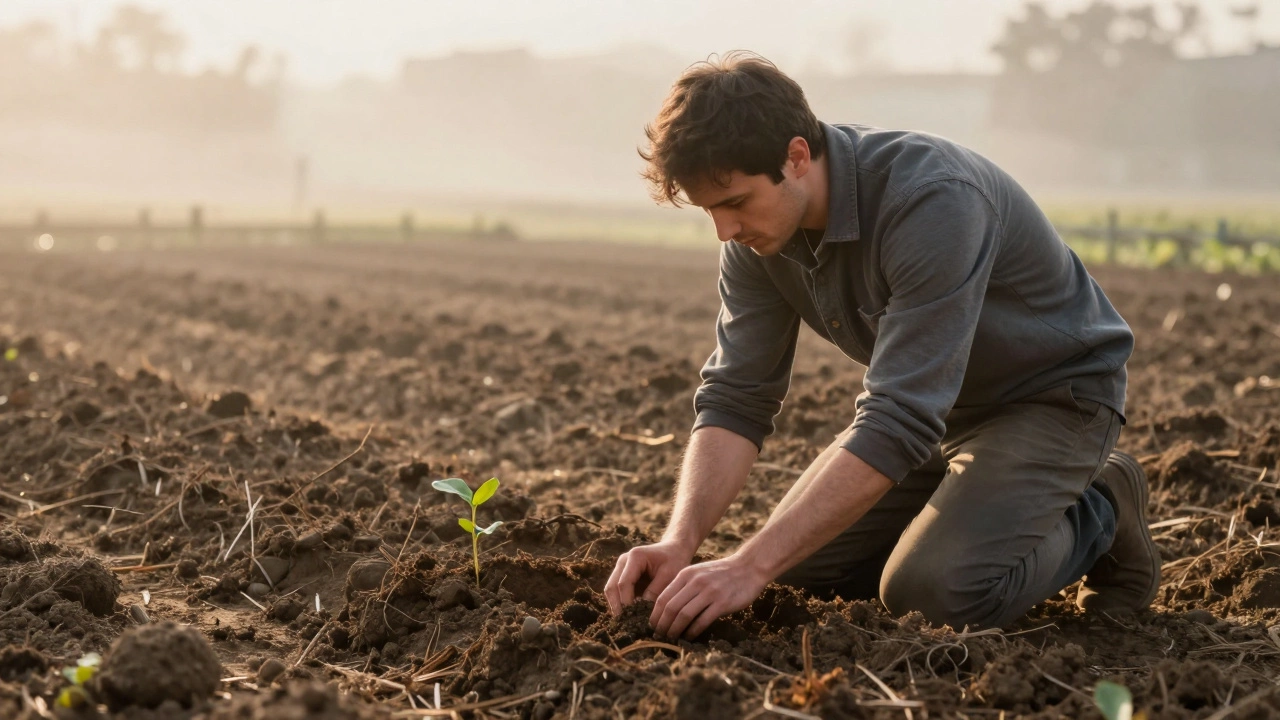
Most people think gardening is about planting seeds, watching things grow, and picking fresh tomatoes. But if you’ve been at it for more than a season, you know the real struggle isn’t the weeding or the digging. It’s something quieter, more persistent - something that doesn’t show up in Instagram posts or YouTube tutorials. The hardest thing about gardening isn’t a tool, a plant, or even the weather. It’s patience.
Patience Isn’t Just a Virtue - It’s a Requirement
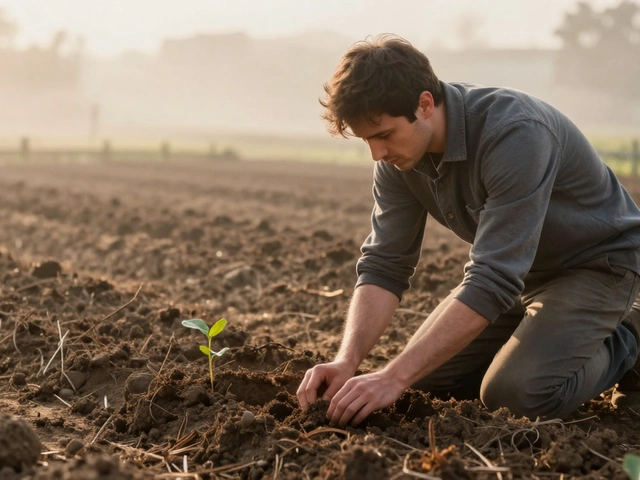
You plant a seed. You water it. You talk to it. You check it every morning. And then… nothing. For days. Maybe weeks. No sprout. No color. No movement. That’s when doubt creeps in. Did I do it wrong? Was the seed bad? Did I plant it too deep? You start second-guessing every decision you’ve ever made about dirt and sunlight.
Real gardeners don’t quit because of bugs or frost. They quit because they expected results in a weekend. The truth? Most perennials take two to three years to truly establish. A young fruit tree might not produce a single apple for four seasons. Even fast-growing crops like lettuce need 30 to 45 days just to get to harvest size. If you’re not okay with waiting, gardening will break your heart.
Soil Isn’t Just Dirt - It’s a Living System
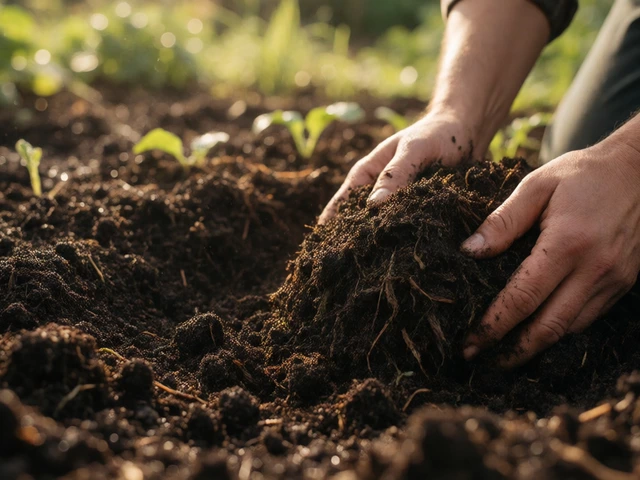
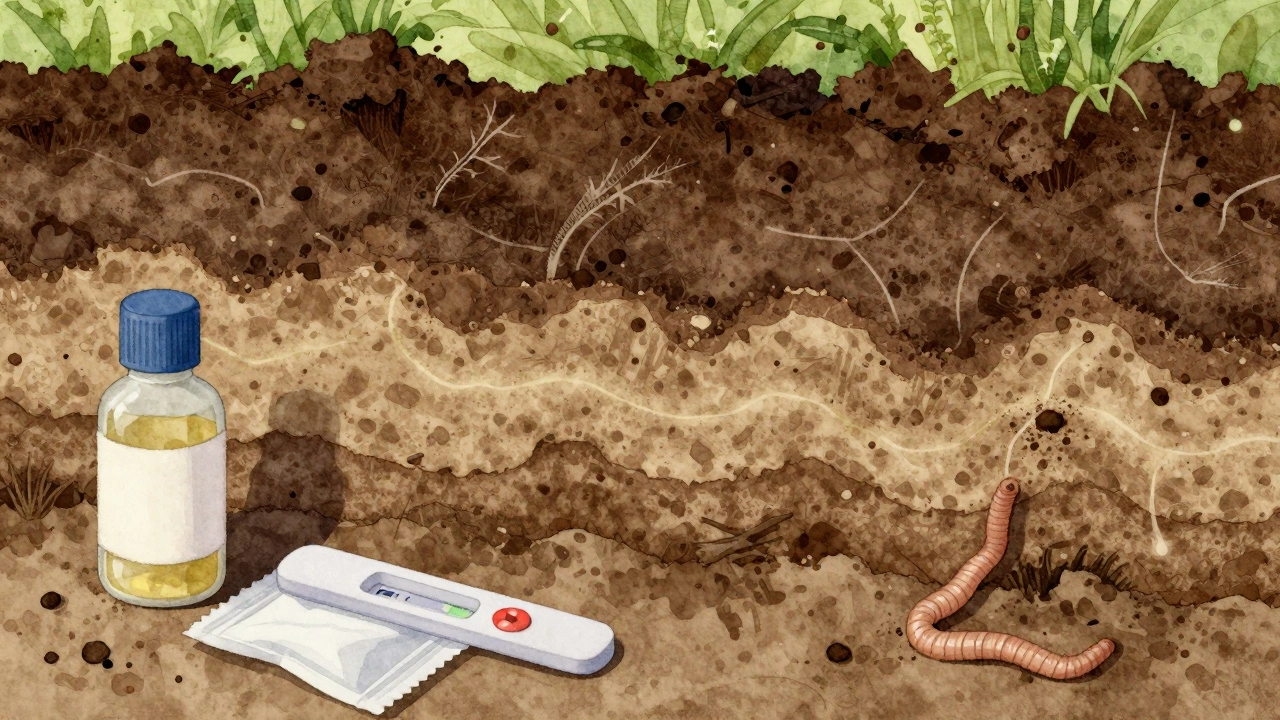
Another hidden challenge? Understanding soil. Most beginners treat it like a container. You dump in potting mix, throw in a plant, and hope for the best. But healthy soil isn’t just about nutrients. It’s about structure, drainage, microbial life, pH balance, and organic matter that changes with every season.
I’ve seen people kill plants by over-amending their soil with compost. Or worse - using bagged topsoil that’s full of weed seeds and clay. A 2023 study from the University of Florida found that over 60% of home gardeners misjudge their soil type, leading to root rot or nutrient lockout. You can’t fix a plant’s problems if you don’t fix the ground it’s in.
Test your soil. Not once. Not when you start. Do it every year. A simple home test (vinegar and baking soda) tells you if it’s acidic or alkaline. A $20 kit from a garden center tells you what’s missing. Then adjust slowly. Soil doesn’t change overnight. It takes months. Sometimes a full season.
Watering: The Most Common Mistake
Everyone thinks they know how to water. You see someone drenching their plants every evening and think, That’s what you’re supposed to do. But overwatering kills more plants than drought. Roots need air. Constantly wet soil suffocates them.
Here’s what actually works: water deeply, then let the top two inches of soil dry out before watering again. That means some plants need water every three days. Others need it once a week. Cacti? Maybe once a month. Rainfall? Factor it in. A simple finger test - stick your finger into the dirt - beats any app or gadget.
And don’t rely on sprinklers. They soak the leaves, which invites fungal diseases. Water at the base. Early morning is best. That gives plants time to dry before nightfall.
Pests and Diseases: Don’t Panic, Don’t Poison
You spot a few holes in your kale. Aphids. You panic. You grab the strongest pesticide on the shelf. Big mistake.
Most garden pests are kept in check by nature - ladybugs, lacewings, parasitic wasps. Killing them all with chemicals wipes out the balance. What happens next? The pests come back worse. And now you’ve got no natural predators left to fight them.
Start with observation. What’s eating the leaves? Is it one bug or a swarm? Is it only on one plant? Is it new damage or old? A few chewed leaves on a robust plant? Let it go. A plant can handle minor damage. Focus on prevention: row covers, companion planting (like marigolds near tomatoes), and encouraging beneficial insects with native flowers.
If you must act, use neem oil or insecticidal soap. They’re targeted. They don’t wipe out everything. And always spray in the evening - when bees are done for the day.
Accepting Failure - And Learning From It
Every gardener has a graveyard. A patch of dead seedlings. A tomato plant that never flowered. A rose bush that just… gave up.
The hardest part isn’t the loss. It’s admitting you didn’t know enough. It’s swallowing your pride and asking, What did I miss? Most people treat gardening like a test. Pass or fail. But gardening is feedback. Every dead plant teaches you something. That sun angle? Too harsh. That mulch? Too thick. That fertilizer? Too strong.
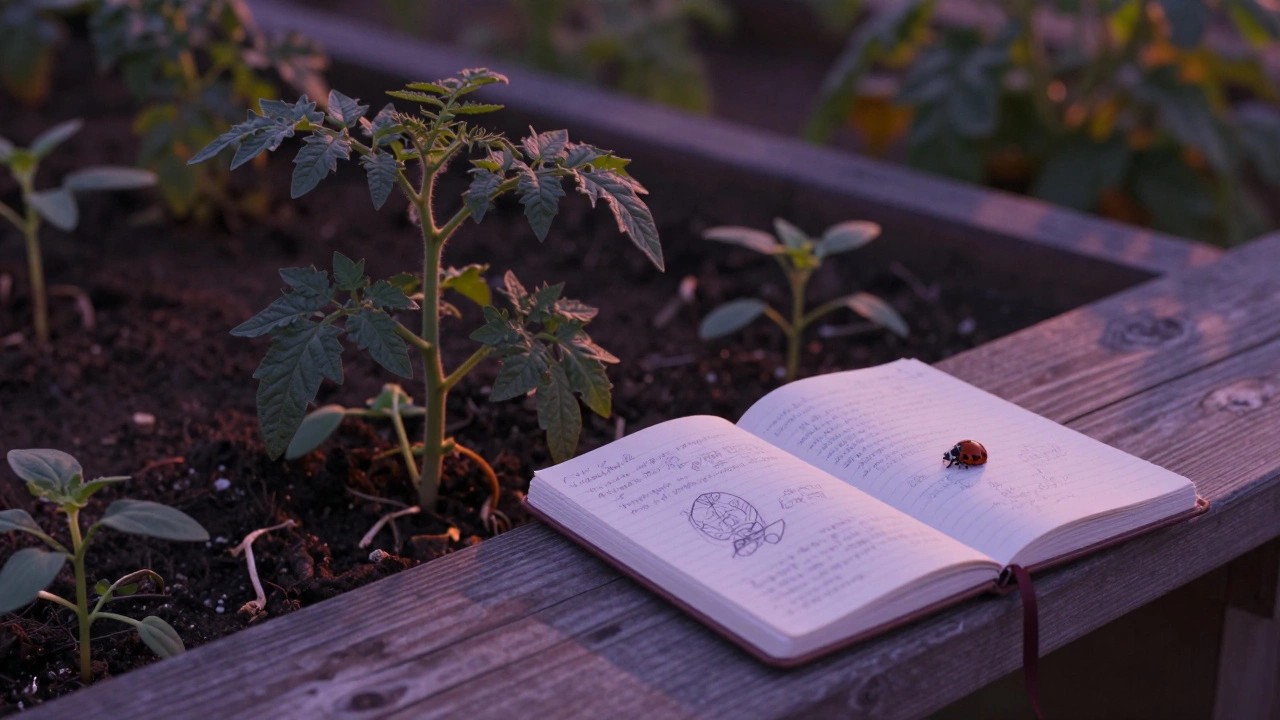
Keep a notebook. Not just what you planted, but when. How much rain fell. What bugs showed up. What worked. What didn’t. After two seasons, you’ll start seeing patterns. That’s when gardening stops feeling like guesswork - and starts feeling like a conversation.
It’s Not About Perfection - It’s About Presence
Gardening doesn’t reward perfection. It rewards presence. The person who shows up, even when things look bad. The one who checks on plants after a storm. The one who doesn’t give up after the third failed attempt at growing zucchini.
There’s a reason people turn to gardening in hard times. It doesn’t promise quick wins. It promises slow healing. It teaches you that growth takes time. That some things can’t be rushed. That even when you do everything right, sometimes nature says no.
And that’s okay.
The hardest thing about gardening isn’t the dirt. It’s learning to wait. To listen. To let go of control. And in that quiet space between planting and harvest - that’s where you find something deeper than vegetables or flowers.
Is gardening expensive to start?
Not at all. You can start with just seeds, a few pots, and some basic soil. A $10 bag of potting mix, a trowel, and a watering can are enough for a small container garden. Most experienced gardeners reuse containers, save seeds, and swap plants with neighbors. The real cost isn’t tools - it’s time.
Can you garden if you have a small space?
Absolutely. Many vegetables thrive in containers - tomatoes, peppers, lettuce, herbs, even dwarf fruit trees. Vertical gardening with trellises or wall pockets lets you grow upwards. Balconies, patios, windowsills - all can become productive spaces. The key is matching the plant to the light and space you have.
Why do my plants keep dying even though I water them?
Overwatering is the most common cause. Roots need oxygen, and constantly wet soil suffocates them. Check the top two inches of soil before watering. If it’s damp, wait. Also, make sure pots have drainage holes. And don’t follow a fixed schedule - water based on need, not days of the week.
Should I use fertilizer right away?
No. Most potting mixes come with enough nutrients for the first 4-6 weeks. Adding fertilizer too early can burn young roots. Wait until plants show signs of slow growth - yellowing leaves, stunted size - before considering it. Then use a diluted, balanced formula. Less is more.
How long until I can call myself a gardener?
The moment you stop worrying about being perfect and start paying attention to what’s happening in your garden. There’s no test. No certificate. You’re a gardener when you care enough to notice the first green shoot after a long winter. When you remember which spot gets afternoon sun. When you mourn a plant that didn’t make it - and try again next year.