Vintage Interiors: How Retro Style Shapes Modern Homes
When you think of vintage interiors, a style that blends old-world charm with modern practicality, often using furniture and decor from the 1920s to the 1980s. Also known as retro decor, it’s not about collecting antiques—it’s about giving forgotten pieces new life in today’s homes. People aren’t just buying vintage because it looks nice. They’re choosing it because it’s durable, unique, and kinder to the planet than buying new. A 1970s oak dresser lasts longer than a flat-pack IKEA version, and a 1950s ceramic lamp carries more personality than a mass-produced LED nightlight. This isn’t nostalgia for nostalgia’s sake. It’s a quiet rebellion against disposable design.
secondhand furniture, items sourced from thrift stores, estate sales, or online marketplaces, often with history and craftsmanship built in. Also known as thrifted home goods, these pieces form the backbone of authentic vintage interiors. You won’t find these in big-box stores. You’ll find them in the back corner of a charity shop, tucked under a dusty curtain, or listed for $20 on a local buy-and-sell group. A 1960s teak sideboard, a brass-framed mirror from the 1940s, or a velvet armchair from the 1970s—each tells a story. And when you restore them, even slightly, you’re not just decorating. You’re participating in a circular economy that reduces waste and supports local communities.
What makes mid-century modern, a design movement from the 1940s to the 1970s known for clean lines, organic shapes, and functional beauty. Also known as MCM, it’s one of the most popular styles within vintage interiors so enduring? It wasn’t flashy. It didn’t try to impress. It was built to be used. Wooden legs tapered just right. Sofas had deep seats. Tables had smooth edges. These weren’t showpieces—they were tools for living. Today, that simplicity feels like a relief. In a world full of blinking screens and cluttered aesthetics, mid-century modern offers calm. And it pairs surprisingly well with industrial steel, linen textiles, or even bold 90s wallpaper. You don’t need a full 1950s living room to get the vibe. One solid piece—a console table, a sideboard, a chair—can anchor an entire space.
People who love vintage interiors aren’t just collectors. They’re problem-solvers. They see potential in cracked lacquer, faded fabric, and wobbly legs. They know how to sand, reupholster, or repaint. They don’t wait for perfection. They embrace patina. That’s why you’ll find so many posts here about turning old things into something better—how to clean brass, how to choose the right paint for a 1930s dresser, how to mix eras without making a room look like a museum. This isn’t about buying expensive collectibles. It’s about learning to see value where others see junk.
What you’ll find in this collection are real, practical guides—not theory, not Instagram filters. How to spot a true vintage piece versus a fake. Where to find the best deals in the UK. How to make a small flat feel spacious with vintage lighting. How to blend retro with minimalism. How to clean a 1970s shag rug without ruining it. These aren’t just decor tips. They’re life hacks for building a home that lasts, feels personal, and doesn’t cost a fortune.
Is Traditional Home Decor Making a Comeback? Vintage Styles & Timeless Charm for Modern Homes
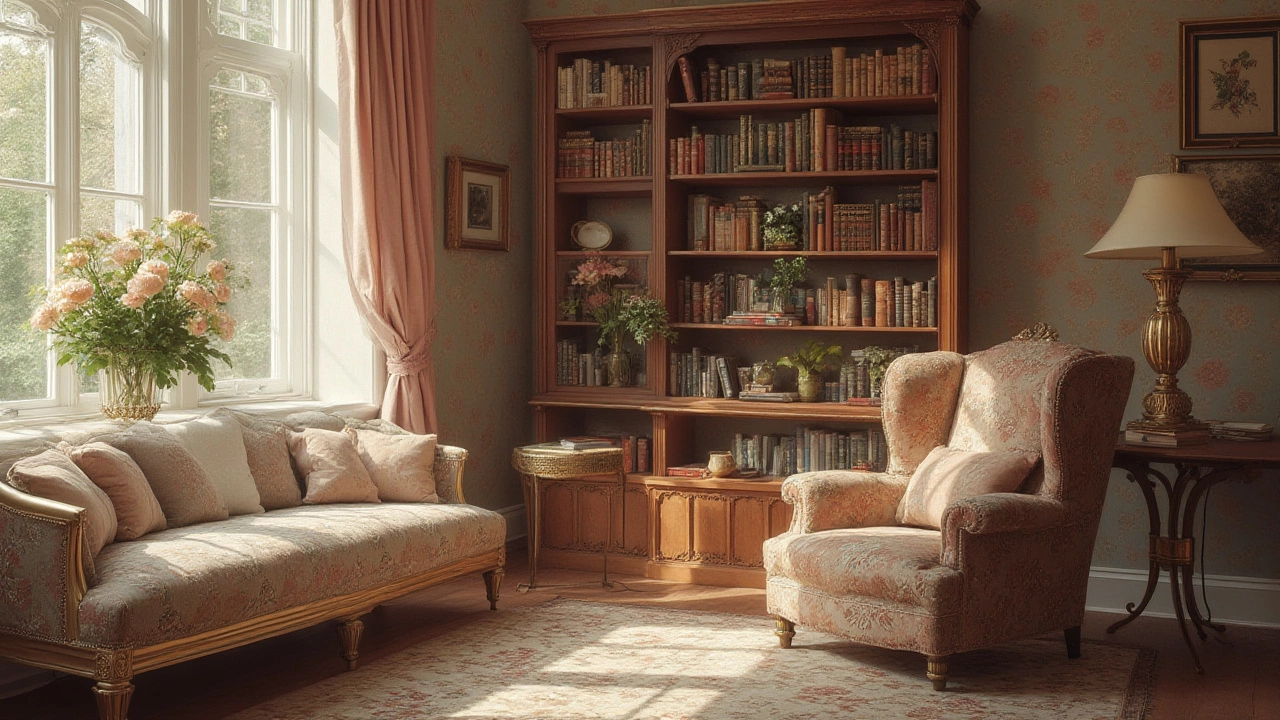
Is traditional home decor back in style? Explore how vintage charm, classic patterns, and timeless furniture are transforming modern interiors and winning hearts again.
Categories
RECENT POSTS

Do People Really Care About Sustainable Fashion? The Honest Truth
Do consumers truly prioritize eco-friendly clothing? Explore the gap between stated values and actual spending, the rise of secondhand markets, and how regulation is forcing brands to be honest.
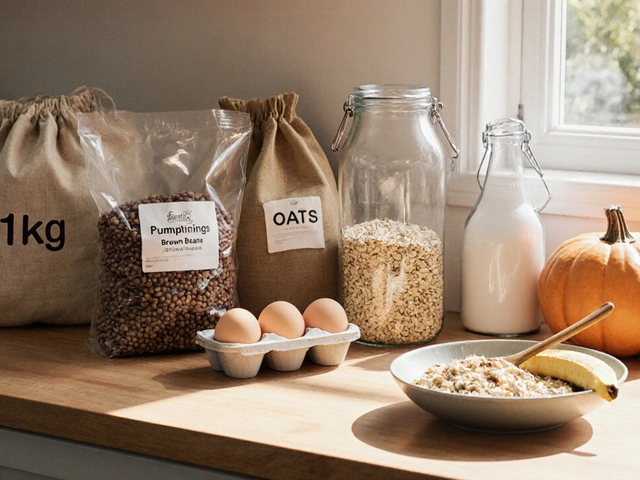
How to Eat Less Than $20 a Week on Healthy Meals
Learn how to eat healthy, filling meals on under $20 a week using simple, affordable ingredients like beans, rice, eggs, and seasonal veggies. No junk food. No stress. Just real food that works.

What is the 1 most unhealthy food in the world? The real answer
Discover why processed meat is considered the most unhealthy food globally. Learn about nitrates, cancer risks, and simple swaps to protect your health.
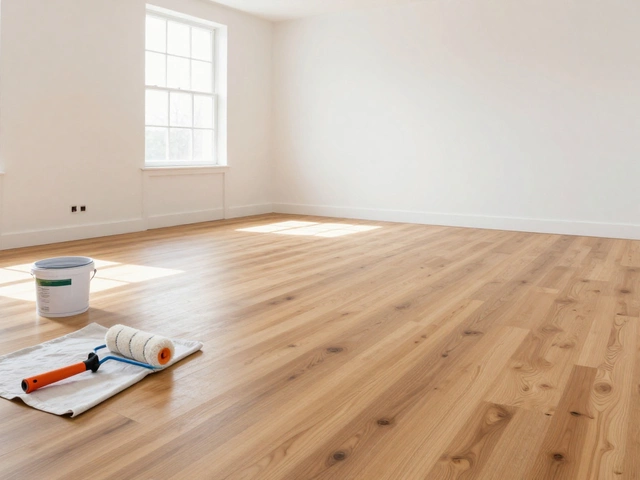
The Right Order to Decorate a House: A Step-by-Step Guide
Discover the correct order to decorate your house, from structural updates to final accessories. Follow our step-by-step guide to avoid costly mistakes and create a cohesive, stylish home.
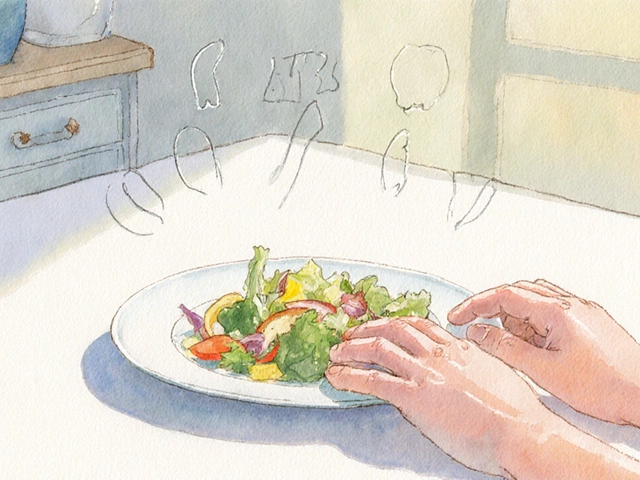
What Is Mindful Eating? A Simple Guide to Eating With Awareness
Discover what mindful eating really means, its health benefits, step‑by‑step practices, tips, common pitfalls, and FAQs for everyday use.