Work Burnout: Signs, Causes, and How to Recover
When you feel drained, unmotivated, and like no amount of coffee or weekend sleep fixes it, you might be dealing with work burnout, a state of chronic stress that leads to physical and emotional exhaustion, reduced performance, and detachment from work. It's not laziness. It's not a lack of discipline. It's your body and mind signaling that the system you're in is broken. Many people mistake burnout for just needing a vacation—but a week off won’t fix it if the root causes stay the same.
work-life balance, the ability to manage professional demands without sacrificing personal well-being is the first line of defense. When your job eats into sleep, hobbies, relationships, or quiet time, imbalance isn’t just inconvenient—it’s dangerous. stress management, the practical tools and habits used to reduce the impact of ongoing pressure isn’t about meditation apps alone. It’s about setting boundaries, saying no, and recognizing when your energy is being drained by tasks that don’t align with your values. And if you’ve ever felt numb at your desk, or started dreading Monday before Friday even ended, you’ve felt the early grip of burnout.
Recovery doesn’t come from pushing harder. It comes from rebuilding. That means looking at your workload, your environment, and your expectations. Some people find relief by switching roles. Others fix things by talking to managers, trimming responsibilities, or redefining success. The posts below show real ways people are tackling this—from mindfulness habits that reset the nervous system, to simple lifestyle changes that bring back joy outside of work. You’ll find strategies for recognizing burnout before it hits full force, and practical steps to start healing—even if you’re still stuck in a job that’s wearing you down. This isn’t about quitting. It’s about surviving—and then thriving—on your own terms.
Unhealthy Work‑Life Balance: Definition, Signs & Solutions

Explore what makes a work-life balance unhealthy, spot warning signs, understand impacts, and learn practical steps to restore balance and prevent burnout.
Categories
RECENT POSTS
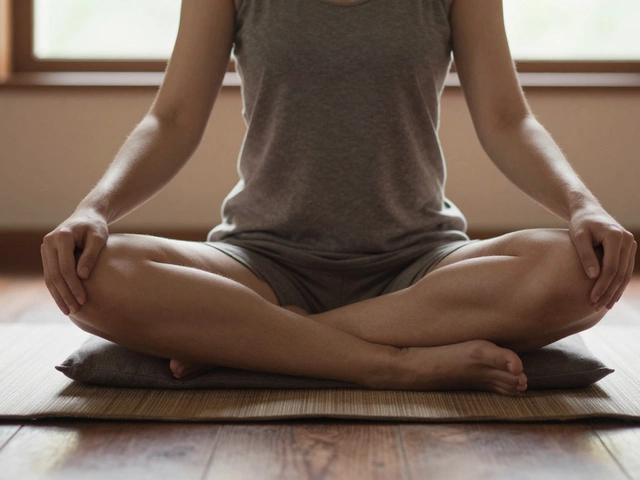
Why Do You Cross Your Legs When Meditating?
Crossing your legs during meditation isn't about tradition-it's about stability and comfort. Learn why this posture works for most people and what alternatives exist if it doesn't suit your body.

Most Trusted Skin Care Brands: How to Choose Based on Science and Reviews
Discover how to find the most trusted skin care brands by looking past marketing and focusing on clinical data, ingredient transparency, and dermatologist advice.

Essential Dinner Components for a Healthy Family Meal
Break down what every dinner needs for nutrition, joy, and ease. Make dinnertime the best time with practical tips and real-life ideas, straight from a busy Kiwi mum.

The 10 Essential Things Plants Need to Grow: A Complete Guide
Discover the 10 essential things plants need to thrive, from light and pH to microbes and space. Move beyond basic tips to master soil health, nutrient balance, and environmental control for a flourishing garden.

5 Keys to Mindfulness: A Practical Guide to Living in the Present
Discover the 5 essential keys to mindfulness: breath awareness, non-judgment, single-tasking, curiosity, and kindness. Learn practical steps to reduce stress and live fully in the present moment.