Perfect Plate Builder
Customize Your Meal
(Half Plate)
Goal: Balanced Energy
Satiety: High (Sustained)
Recommendation: Good mix of macros.
You’ve probably scrolled past dozens of 'perfect plate' images on social media. A quinoa bowl here, a steak and broccoli combo there. But if you stop to think about it, what actually makes a meal 'perfect'? Is it the taste? The color? Or is there something more fundamental happening on your plate that keeps you energized, satisfied, and healthy?
The truth is, there is no single universal perfect meal. Your body’s needs change based on your activity level, age, and health goals. However, nutrition science has identified a reliable framework for building meals that work for almost everyone. It’s not about counting every calorie; it’s about balancing the right components.
The Core Components of a Nutritious Plate
To build a meal that truly fuels your body, you need to focus on three main pillars: protein, fiber-rich carbohydrates, and healthy fats. These aren’t just buzzwords; they are the biological tools your body uses to repair tissue, generate energy, and regulate hormones.
Think of your plate as a canvas. If you only paint with one color, the picture is incomplete. A balanced meal is a dietary combination that provides essential macronutrients and micronutrients in appropriate proportions to support physiological function and satiety. Here is how those pieces fit together:
- Protein: This is the building block. Whether it’s chicken, tofu, beans, or fish, protein helps maintain muscle mass and keeps you feeling full longer. Aim for a palm-sized portion.
- Fiber-Rich Carbs: Forget white bread and sugary snacks. Choose complex carbohydrates like sweet potatoes, brown rice, oats, or whole-grain pasta. These provide sustained energy without the crash.
- Healthy Fats: Avocado, olive oil, nuts, and seeds. Fat is crucial for absorbing vitamins (like A, D, E, and K) and supporting brain health. A thumb-sized amount is usually sufficient.
- Vegetables: Fill half your plate with colorful veggies. They provide volume, vitamins, minerals, and antioxidants with very few calories.
Why Portion Size Matters More Than You Think
Even the healthiest ingredients can lead to weight gain if you eat them in excessive amounts. Conversely, a small portion of less-than-ideal food might not derail your progress immediately. The 'perfect meal' respects your hunger cues.
A practical way to visualize this is the 'Plate Method,' recommended by many health organizations including the American Diabetes Association. Imagine dividing your dinner plate into sections:
- Half the plate: Non-starchy vegetables (leafy greens, peppers, zucchini, broccoli).
- One-quarter of the plate: Lean protein sources.
- One-quarter of the plate: Starchy carbohydrates or legumes.
- Add a serving: Of healthy fats and fruits.
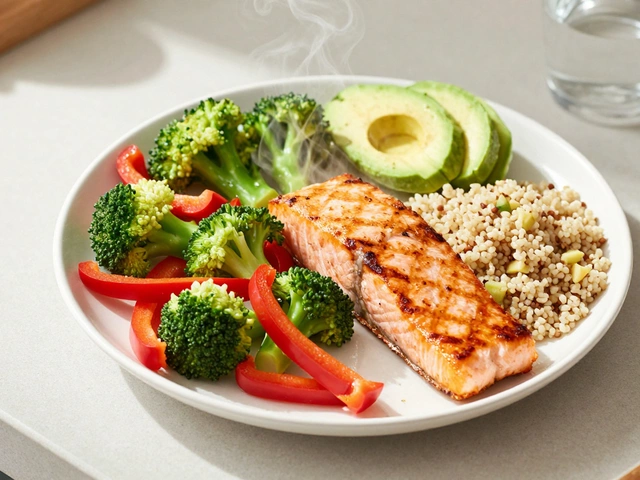
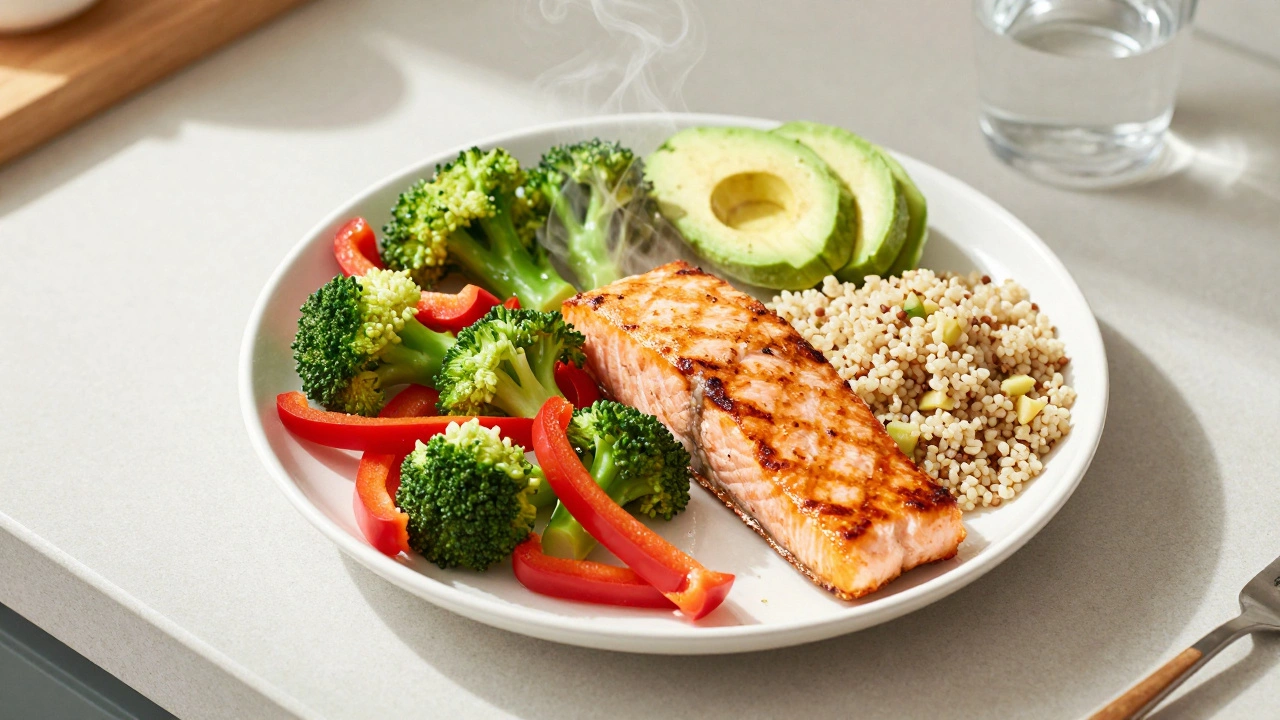
This visual guide removes the stress of weighing food. It ensures you get enough nutrients without overeating. For example, a meal consisting of grilled salmon, a large side of steamed asparagus, and a small cup of quinoa fits this model perfectly.
Hydration: The Forgotten Ingredient
We often forget that water is part of our meals. Drinking water before and during eating aids digestion and helps distinguish between true hunger and thirst. Many people mistake dehydration for cravings. Keeping a glass of water on the table during every meal is a simple habit that supports overall hydration and digestive health.
| Meal Type | Protein Source | Carb Source | Fat Source | Satiety Level |
|---|---|---|---|---|
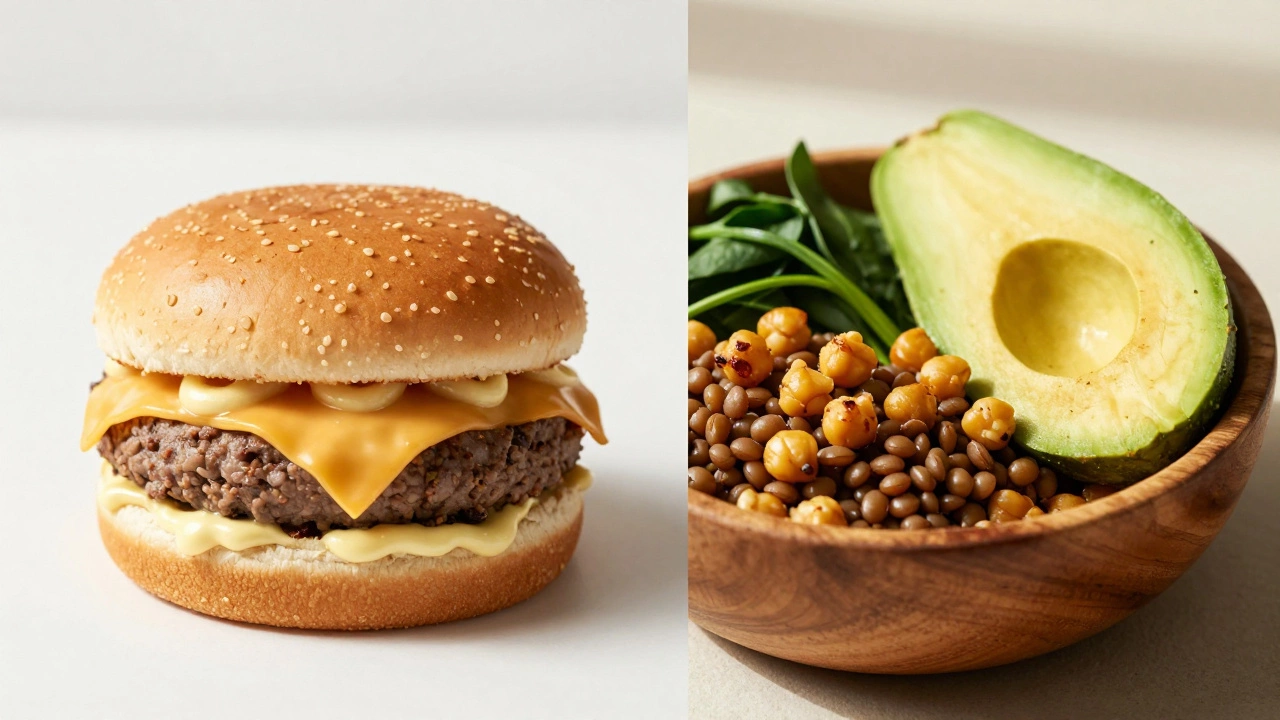
| Standard Fast Food Burger | Beef Patty | White Bun | Mayo/Cheese | Low (crashes quickly) |
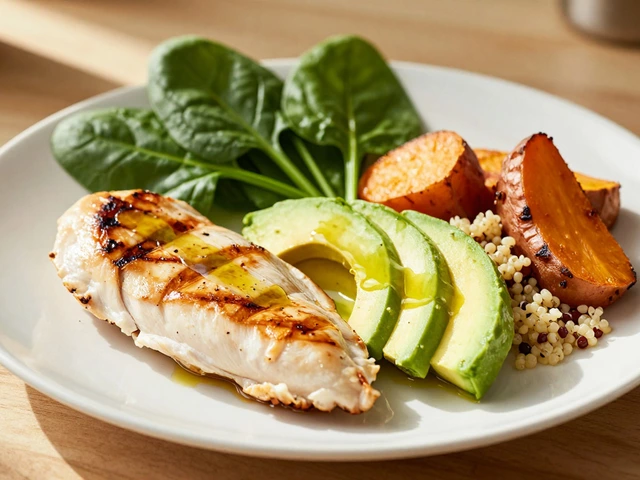
| Balanced Home-Cooked Meal | Grilled Chicken | Sweet Potato | Olive Oil Dressing | High (sustained energy) |
| Plant-Based Bowl | Lentils/Tofu | Quinoa | Avocado | High (fiber-rich) |
Tailoring the Perfect Meal to Your Lifestyle
Your 'perfect meal' looks different depending on who you are. An athlete training for a marathon needs more carbohydrates than someone working a desk job. A person managing diabetes needs to monitor carbohydrate intake more closely. Let’s look at how to adjust the core formula.
For Busy Professionals
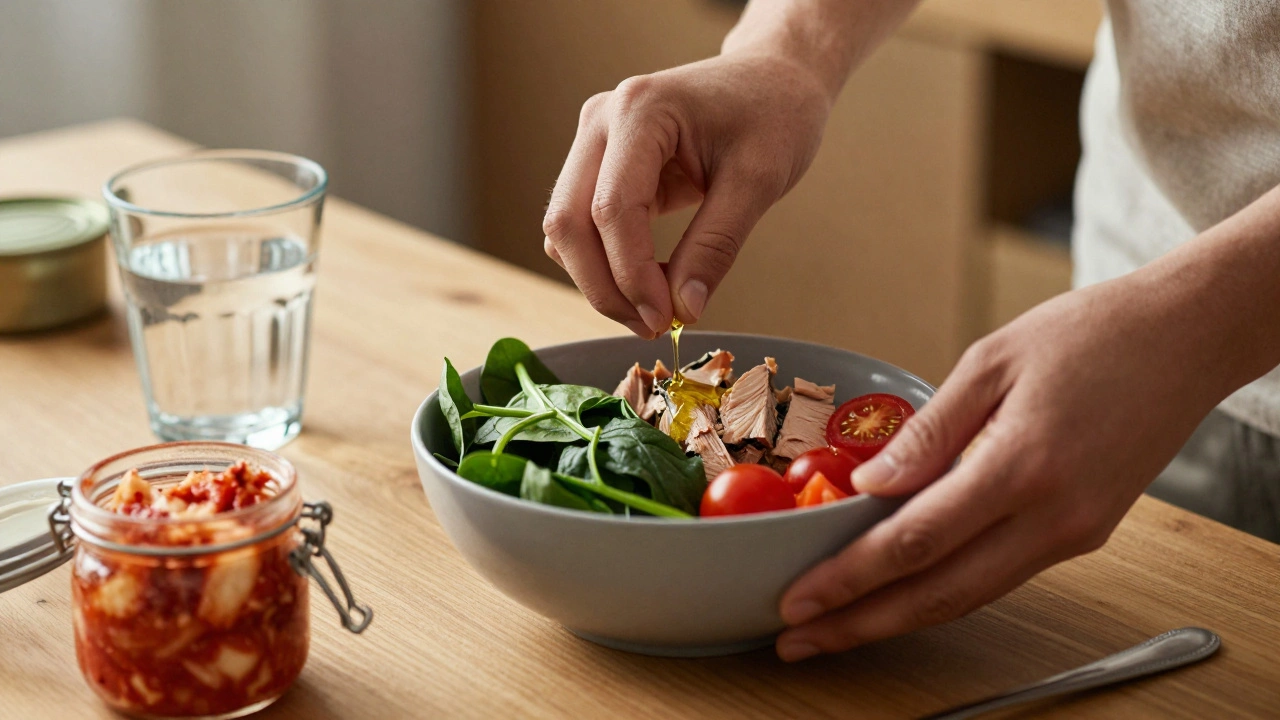
If you have little time to cook, batch cooking is your friend. Prepare grains and proteins in bulk on Sunday. During the week, assemble bowls with pre-cooked chickpeas, spinach, and roasted chickpeas. Keep canned tuna or sardines on hand for quick protein additions. The goal is convenience without sacrificing nutrient density.
For Fitness Enthusiasts
Timing matters. Post-workout meals should prioritize protein and fast-digesting carbs to replenish glycogen stores. A smoothie with whey protein, banana, and oat milk can be an effective recovery meal. Pre-workout, focus on lighter carbs and moderate protein to fuel performance without causing digestive distress.
For Weight Management
Focus on volume eating. Load up on low-calorie, high-fiber vegetables like cucumbers, celery, and leafy greens. These fill your stomach physically, sending signals to your brain that you are full, while keeping total calorie intake lower. Pair these with lean proteins like white fish or egg whites.
Common Pitfalls to Avoid
Even well-intentioned eaters make mistakes. Here are some common traps that prevent meals from being truly 'perfect':
- Neglecting Flavor: Healthy food doesn’t have to be bland. Use herbs, spices, lemon juice, and vinegar to add flavor without adding sugar or salt. Cumin, paprika, garlic, and ginger are excellent options.
- Skipping Breakfast: While intermittent fasting works for some, many people benefit from a balanced morning meal to kickstart metabolism and prevent overeating later in the day.
- Over-relying on Processed 'Healthy' Foods: Granola bars and protein shakes can be convenient, but they often contain added sugars and preservatives. Whole foods are always superior.
- Ignoring Gut Health: Include fermented foods like yogurt, kefir, sauerkraut, or kimchi occasionally. A healthy gut microbiome improves nutrient absorption and immune function.
Building Sustainable Habits
Perfection is not about rigid rules; it’s about consistency. Don’t worry if one meal isn’t ideal. Look at your diet over a week. Are you getting enough variety? Are you staying hydrated? Are you listening to your body’s hunger signals?
Start small. Add one extra vegetable to your dinner tonight. Swap white rice for brown rice tomorrow. Gradually incorporate more whole foods into your routine. Over time, these small changes compound into significant health benefits.
Remember, the perfect meal is one that nourishes your body, satisfies your appetite, and brings you joy. It’s not about restriction; it’s about abundance and balance. By focusing on whole ingredients and mindful portions, you create a foundation for long-term health and vitality.
Is it okay to eat carbohydrates at night?
Yes, it is perfectly fine to eat carbohydrates at night. The idea that carbs cause weight gain only when eaten late is a myth. What matters most is your total daily caloric intake and nutrient balance. Choosing complex carbs like sweet potatoes or quinoa can even help improve sleep quality by aiding serotonin production.
How much protein do I really need per meal?
A general guideline is 20-30 grams of protein per meal for most adults. This amount is sufficient to stimulate muscle protein synthesis. Good sources include a 4-ounce serving of chicken breast, a cup of Greek yogurt, or a scoop of protein powder. Adjust based on your specific fitness goals and body weight.
Can I follow this plan if I am vegetarian or vegan?
Absolutely. The principles of balance apply to plant-based diets too. Combine complementary proteins like beans and rice, lentils and whole wheat, or tofu and quinoa to ensure you get all essential amino acids. Include plenty of leafy greens and healthy fats from nuts and avocados.
What should I do if I don't have time to cook?
Opt for quick assembly meals. Use pre-washed salad greens, canned beans, rotisserie chickens, and frozen vegetables. A simple combination of canned tuna mixed with mayo and served over spinach with cherry tomatoes takes five minutes but provides a balanced mix of protein, fat, and fiber.
Are supplements necessary for a perfect meal?
Supplements should complement, not replace, a balanced diet. Most people can get necessary nutrients from whole foods. However, Vitamin D, B12 (for vegans), and Omega-3 fatty acids may require supplementation depending on your lifestyle and geographic location. Consult a healthcare provider before starting any new supplement regimen.