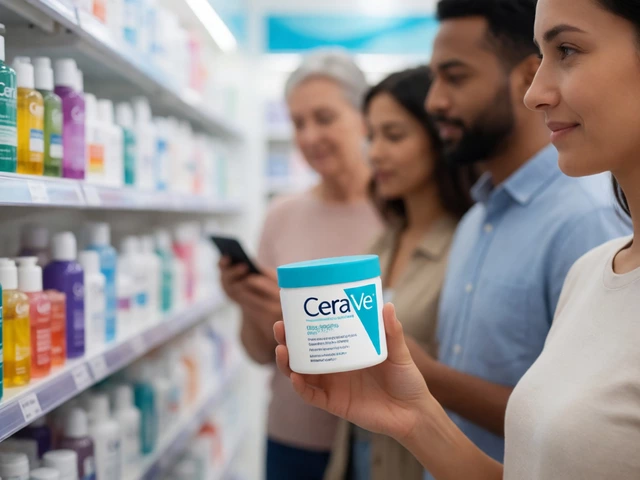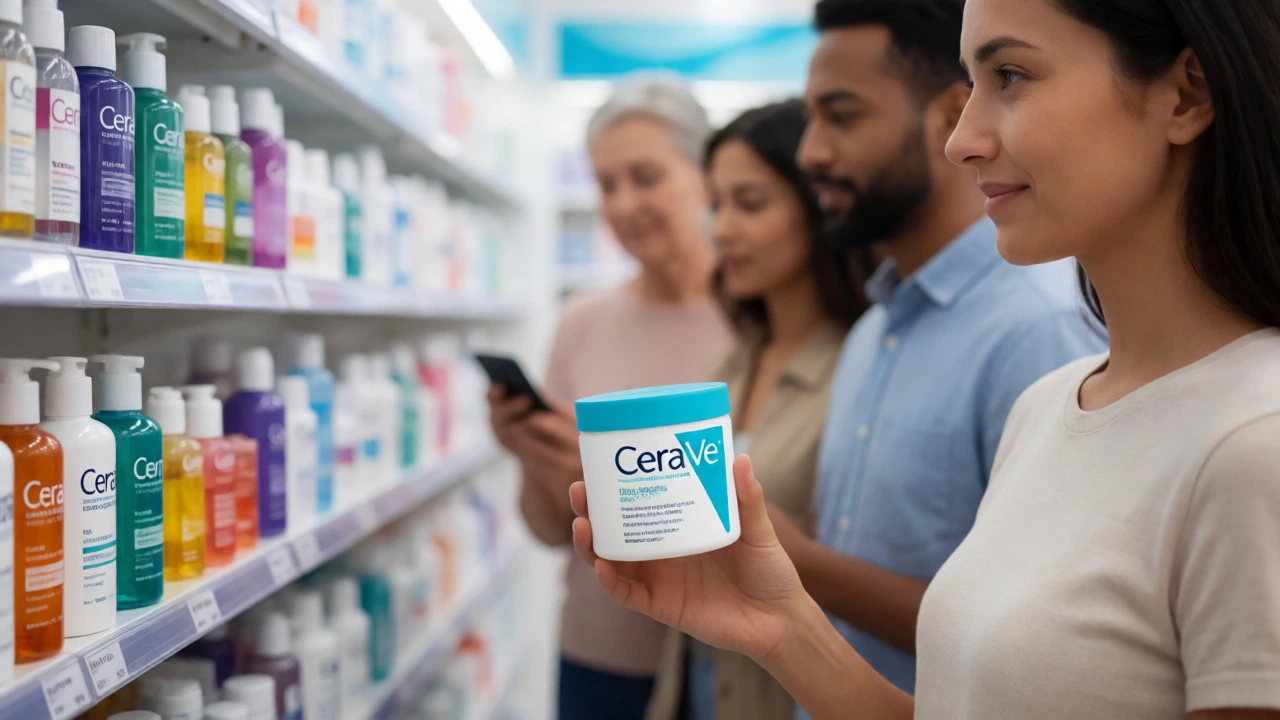
CeraVe Product Finder
Select your primary skin concern below to get a personalized recommendation from the No. 1 dermatologist-recommended brand.
You walk into a pharmacy or scroll through an online store, and you're hit with a wall of choices. Serums promising to erase ten years in ten days. Moisturizers costing more than your weekly groceries. Toners that claim to be "miracle" elixirs. It’s overwhelming, right? You want something that actually works without breaking the bank or your skin barrier.
So, who do you trust? Your friend on TikTok? Maybe. But if you ask a board-certified dermatologist what they hand out most often to patients with sensitive skin, eczema, or just plain bad reactions, there is one name that comes up again and again. It isn't always the most glamorous brand. It doesn't have the flashiest packaging. But it consistently tops the list as the No. 1 brand recommended by dermatologists: CeraVe.
Why does this specific brand dominate clinical recommendations while others fade away? Is it magic? No. It's science, specifically focused on one critical component of skin health: the barrier. Let's break down why CeraVe wins, how it compares to other top contenders, and whether it's actually the right choice for your skin type.
The Science Behind the Recommendation
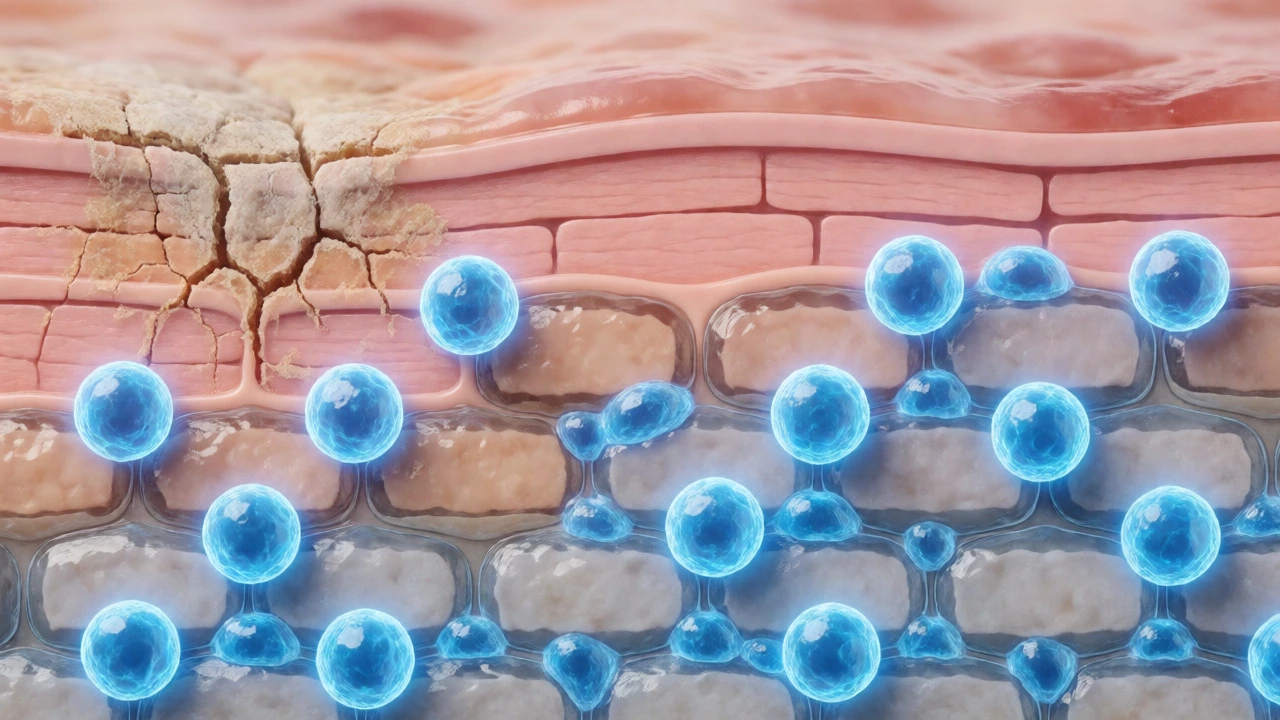
To understand why dermatologists love CeraVe, you first need to understand what they are trying to fix. Most skin issues-dryness, acne irritation, redness from over-exfoliation-stem from a compromised skin barrier. This barrier is your skin's outermost layer, made up of skin cells held together by lipids (fats). Think of it like a brick wall. The bricks are your skin cells, and the mortar holding them together is a mix of ceramides, cholesterol, and fatty acids.
When that mortar breaks down, moisture escapes, and irritants get in. That’s when you feel tight, look flaky, or break out. Most commercial moisturizers just throw water and oils at the problem. They hydrate the surface but don't repair the structure. CeraVe was developed in collaboration with dermatologists specifically to address this structural deficit.
The core technology here is MVE Technology (MultiVesicular Emulsion). Instead of dumping all ingredients onto your skin at once, MVE encapsulates active ingredients in tiny spheres that release them slowly over 24 hours. This means sustained hydration rather than a quick spike followed by a crash.
But the real hero ingredient is ceramides. These are lipids naturally found in your skin. CeraVe products contain three essential ceramides (1, 3, and 6-II) that mimic the skin's natural composition. By replenishing these, you aren't just masking dryness; you are rebuilding the wall.
Why CeraVe Beats the Competition
You might be thinking, "Sure, ceramides sound nice, but I've seen them in other products." True. However, formulation matters more than ingredient lists. Many brands add ceramides in negligible amounts or pair them with fragrances and essential oils that trigger inflammation in sensitive skin.
Dermatologists prefer CeraVe for three practical reasons:
- Non-comedogenic formulas: Almost every CeraVe product is tested to ensure it won't clog pores. This makes it safe for acne-prone skin, which is often terrified of heavy creams.
- Fragrance-free standards: Fragrance is the number one cause of contact dermatitis. CeraVe sticks to fragrance-free formulations across its core line, reducing the risk of allergic reactions.
- Affordability and accessibility: A high price tag doesn't equal efficacy. CeraVe is widely available at pharmacies and supermarkets globally, making it easy for patients to stick to their routine long-term.
Compare this to luxury brands that charge $80 for a jar of cream containing similar base ingredients plus marketing costs. Or compare it to "clean beauty" brands that use natural extracts which can still be potent allergens. CeraVe sits in the sweet spot of clinical efficacy and consumer safety.
Top Contenders: How CeraVe Stacks Up
While CeraVe holds the top spot, it isn't the only player. Brands like La Roche-Posay, Cetaphil, and Vanicream also enjoy strong dermatological support. Each serves a slightly different niche.
Here is how they compare in terms of key attributes relevant to skin health:
| Brand | Key Strength | Best For | Price Range | Texture |
|---|---|---|---|---|
| CeraVe | Ceramide restoration & MVE tech | Dry, sensitive, or barrier-damaged skin | $ | Lightweight to rich cream |
| La Roche-Posay | Soothing thermal spring water | Reactive, redness-prone skin | $$ | Gel-cream to lotion |
| Cetaphil | Gentle cleansing | Very sensitive or baby skin | $ | Liquid to mild foam |
| Vanicream | Minimalist formulation | Severe allergies or eczema | $ | Thick ointment or cream |
Notice the pattern? If you have severe allergies, Vanicream strips everything non-essential. If you deal with rosacea flare-ups, La Roche-Posay’s anti-inflammatory properties shine. But for general maintenance, barrier repair, and daily protection, CeraVe offers the most comprehensive solution for the widest range of users.
Which CeraVe Product Should You Buy?
Buying the wrong product can lead to frustration. Just because the brand is good doesn't mean every item fits your face. Here is a quick guide based on common skin concerns:
- For Dry Skin: Go for the Moisturizing Cream in the tub. It is thicker, richer, and packed with hyaluronic acid alongside the ceramides. Use it on your body and face at night.
- For Oily or Acne-Prone Skin: Try the Foaming Cleanser paired with the PM Facial Moisturizing Lotion. The PM lotion contains niacinamide, which helps regulate oil production and calm redness without feeling heavy.
- For Sensitive/Eczema-Prone Skin: Stick to the Hydrating Cleanser. Unlike foaming cleansers, it doesn't strip natural oils. Pair it with the Moisturizing Cream for maximum barrier support.
- For Sun Protection: The AM Facial Moisturizing Lotion SPF 30 is a cult favorite. It provides broad-spectrum protection without the white cast or sticky residue common in older sunscreens.
A pro tip from Wellington clinics: New Zealand UV levels are intense year-round. Even if you have oily skin, skipping sunscreen accelerates aging and worsens hyperpigmentation. The AM lotion is a great two-in-one step to ensure you never skip SPF.
Potential Pitfalls and Misconceptions
Is CeraVe perfect for everyone? Not quite. Some users report pilling (when the product rolls off the skin in little balls) when layered under makeup. This usually happens if you apply too much product or don't let each layer absorb fully. Wait two minutes between steps to fix this.
Another misconception is that "fragrance-free" means "smellless." CeraVe has a distinct scent due to the raw ingredients themselves, not added perfumes. It smells clean and neutral, but it isn't odorless. Don't mistake this natural scent for a chemical reaction.
Also, remember that skincare is cumulative. You won't see results overnight. Barrier repair takes time-typically four to six weeks of consistent use before you notice significant changes in texture and resilience. Patience is part of the protocol.
Building a Simple Routine
You don't need a twelve-step Korean skincare routine to get healthy skin. In fact, less is often more when repairing your barrier. Here is a dermatologist-approved minimalist routine using CeraVe:
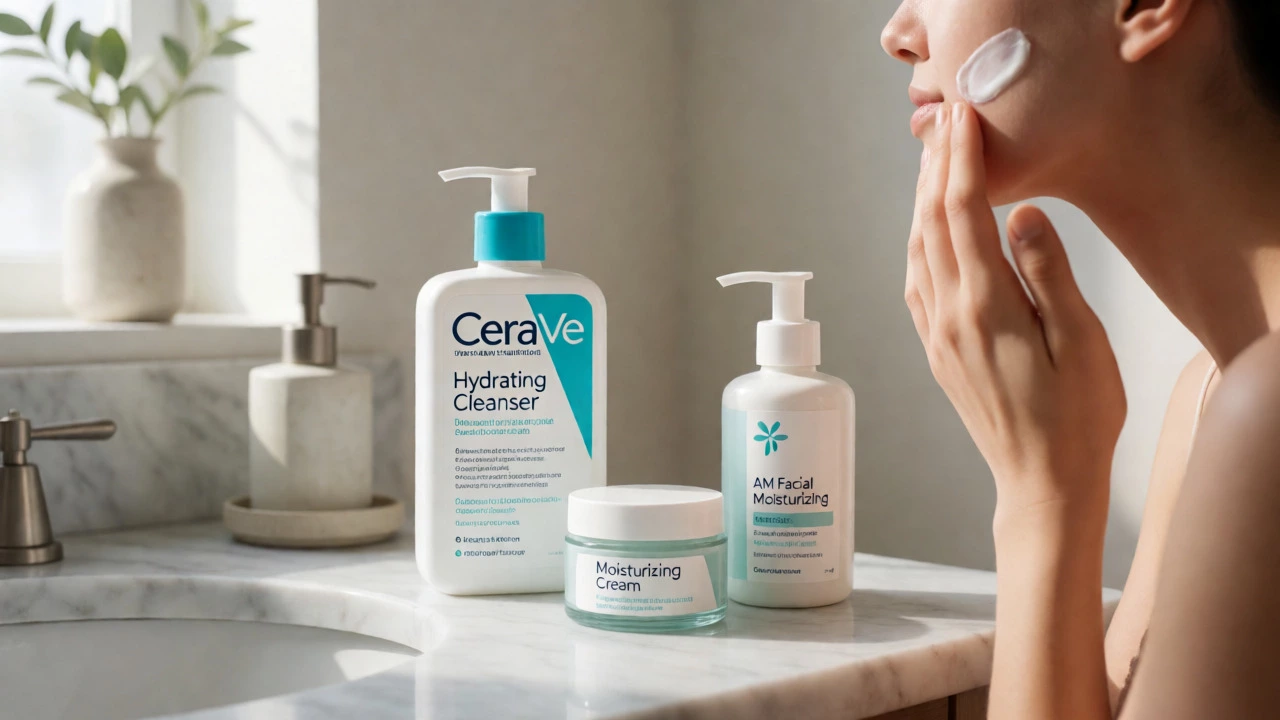
- Morning: Cleanse with lukewarm water or a gentle cleanser. Apply Vitamin C serum if you use one (optional). Follow with CeraVe AM Moisturizer with SPF.
- Evening: Double cleanse if wearing makeup (oil-based remover first, then CeraVe Hydrating Cleanser). Apply treatment (like retinol or exfoliant) if prescribed. Finish with CeraVe PM Lotion or Moisturizing Cream.
This simple framework protects your barrier during the day and repairs it at night. It eliminates guesswork and reduces the chance of irritating your skin with unnecessary actives.
Is CeraVe suitable for oily skin?
Yes. Look for the "Foaming Cleanser" and "PM Facial Moisturizing Lotion." These products are lightweight, non-comedogenic, and contain niacinamide, which helps control sebum production without drying out the skin.
Does CeraVe contain parabens?
Most current CeraVe formulations are paraben-free. However, ingredient lists can change, so it is always wise to check the label on the specific product you are buying if you have a known sensitivity.
Can I use CeraVe with Retinol?
Absolutely. In fact, dermatologists often recommend buffering retinol with a ceramide-rich moisturizer like CeraVe to reduce irritation and peeling associated with vitamin A derivatives.
Is CeraVe cruelty-free?
CeraVe is owned by L'Oréal. While they state they do not test on animals unless required by law, they are not certified cruelty-free by organizations like Leaping Bunny because they sell in mainland China where animal testing may be mandated for certain imported cosmetics.
How long does it take to see results from CeraVe?
Immediate hydration is felt upon application, but significant barrier repair and texture improvement typically require consistent use for 4 to 6 weeks, aligning with the skin's natural cell turnover cycle.