Mindful Possession Audit
Think of an item you are unsure about. Answer these four questions to determine if it adds value or mental noise to your life.
Key Takeaways
- Minimalism isn't about living in a white box; it's about removing distractions to find what truly matters.
- Reducing physical clutter often leads to a measurable drop in cortisol (stress hormones).
- Happiness comes from "intentionality," not from the specific number of items you own.
- The "paradox of choice" proves that too many options can actually make us miserable.
The Link Between Stuff and Stress
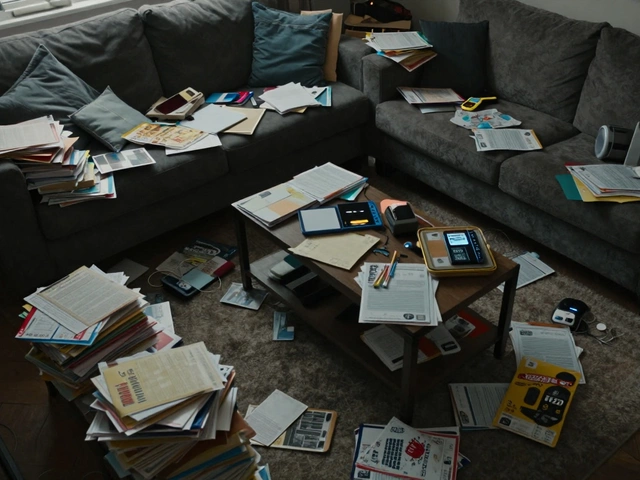
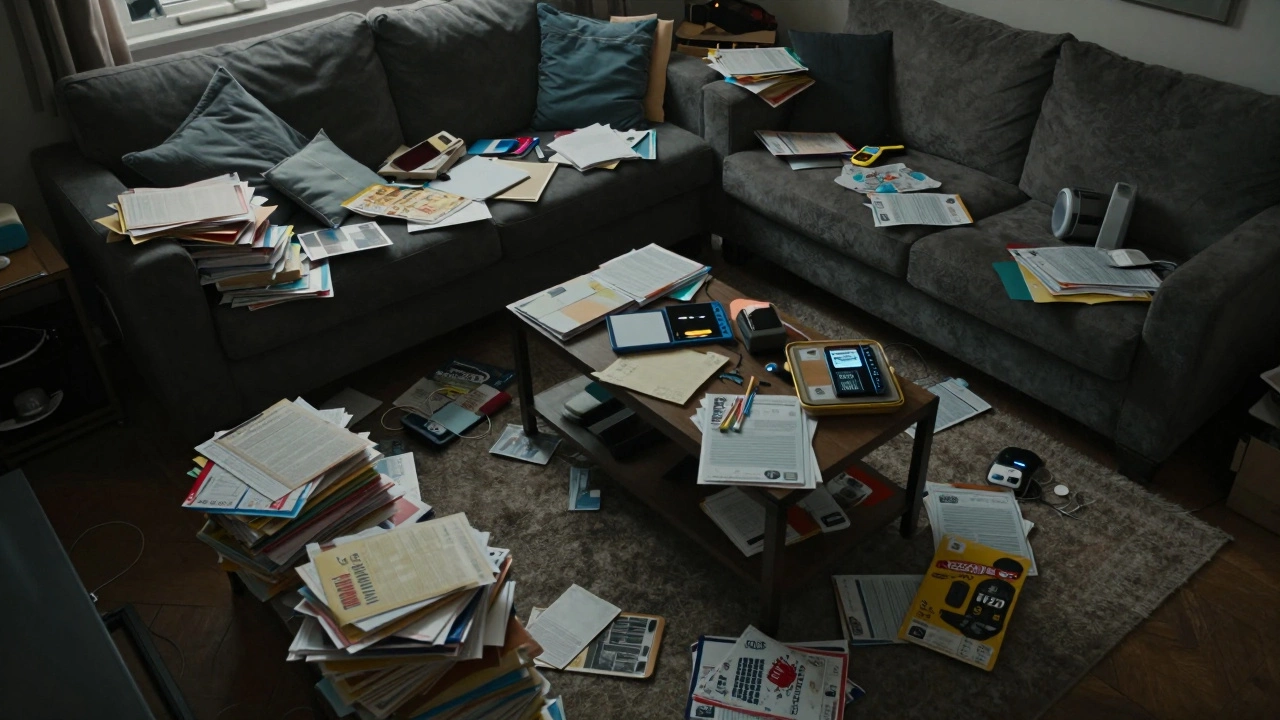
Let's be honest: your brain isn't designed to handle the sheer volume of visual stimuli we surround ourselves with today. When you walk into a room cluttered with piles of mail, half-finished projects, and random decor, your brain doesn't just see "stuff." It sees a list of unfinished tasks. Each item is a subtle reminder of something you need to fix, clean, or organize.
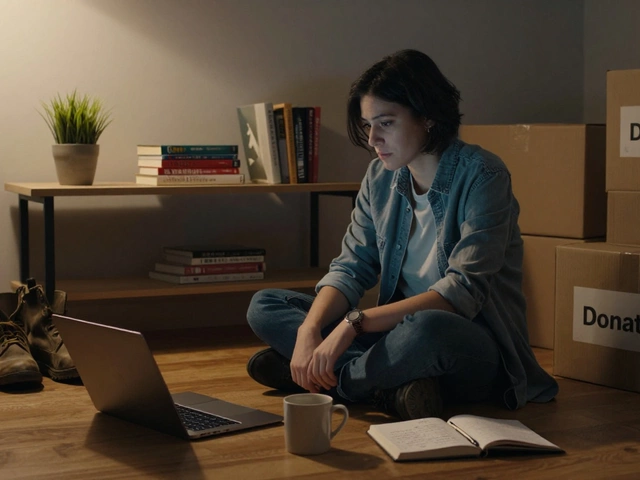
This is where minimalism lifestyle is a conscious decision to reduce the quantity of possessions to focus on the quality of experiences and relationships. It's not a competition to see who can own the fewest forks. Instead, it's a tool to lower the mental load. When you clear the physical space, you often find a surprising amount of mental space opens up.
Research into environmental psychology shows that cluttered environments trigger the release of cortisol, the primary stress hormone. A study by UCLA's Center on Women published in the American Journal of Public Health found a direct correlation between the amount of household objects and the levels of cortisol in women. Basically, a messy house keeps your brain in a state of low-level "fight or flight," which is exhausting over the long term.
The Trap of the Paradox of Choice
Why does having ten pairs of shoes feel more stressful than having two? It sounds counterintuitive, but The Paradox of Choice suggests that while we think more options give us more freedom, they actually lead to decision fatigue and anxiety. When you have too many choices, you spend more time worrying if you made the *right* choice than actually enjoying the thing you chose.
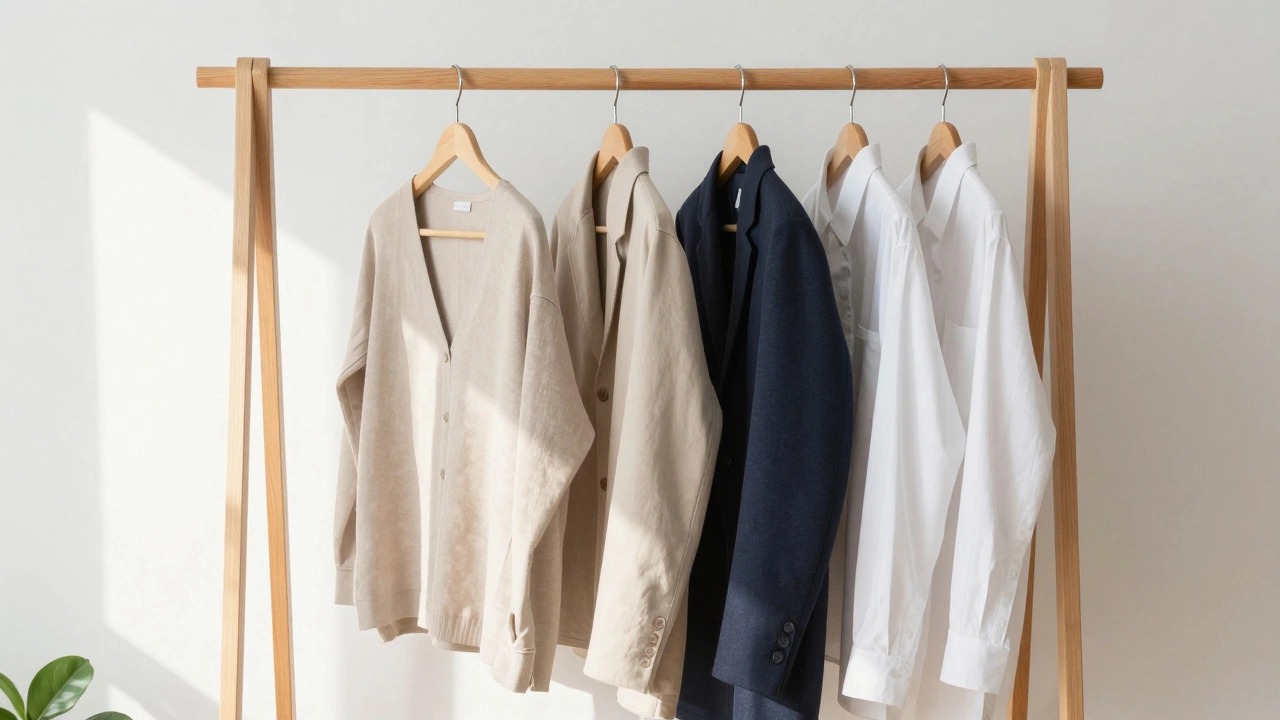
Imagine your morning routine. If you have 50 shirts, you spend ten minutes debating which one fits your mood and the weather. If you have a curated Capsule Wardrobe-a small collection of essential, versatile clothing items that coordinate with each other-you spend ten seconds. That's a tiny win, but these tiny wins add up. By removing the friction from mundane decisions, minimalists preserve their willpower for things that actually matter, like their careers or their families.
| Feature | Consumerist Approach | Minimalist Approach |
|---|---|---|
| Value Metric | Quantity and Novelty | Utility and Meaning |
| Decision Process | "Would this be cool to have?" | "Does this add value to my life?" |
| Mental State | Constant desire for the 'next' thing | Contentment with the 'current' thing |
| Time Allocation | Maintaining and organizing items | Experiences and personal growth |
Intentional Living and the Happiness Equation
Is the minimalist actually happier? The answer isn't a simple yes or no, because happiness isn't a destination-it's a byproduct of how you live. The real secret is Intentional Living, which is the practice of aligning your daily actions with your core values. For some, that means owning only a backpack and traveling the world. For others, it means having a cozy home but refusing to buy things they don't love.
When you stop chasing the "hedonic treadmill"-the cycle of buying something, getting a quick hit of dopamine, and then wanting something better-you break a loop of perpetual dissatisfaction. This shift often leads people toward Slow Living, a lifestyle movement that encourages a slower pace of existence and a more conscious approach to daily activities. Instead of rushing through a checklist of chores, you start noticing the taste of your coffee or the way the light hits the wall in the afternoon.
By prioritizing experiences over objects, you're investing in memories, which have a much longer shelf life than a new smartphone. Psychologists have long noted that experiential purchases (like a cooking class or a trip to the coast) provide more lasting happiness than material purchases because they become part of our identity.
Common Pitfalls: When Minimalism Becomes a Burden
There is a dark side to minimalism, and that's when it turns into a performance. You've probably seen those Instagram photos of a single chair in a vast, white room. That's not minimalism; that's aesthetic austerity. When people treat minimalism as a set of strict rules-"I can only own 30 things"-they often find themselves more stressed than they were before. They spend hours obsessing over whether a specific spatula counts as "essential."
The danger is replacing "material clutter" with "mental clutter." If you're constantly worrying about whether you're being a "good enough" minimalist, you've just swapped one form of anxiety for another. The goal isn't to have nothing; the goal is to have only the things that support your best self. If a sentimental collection of old postcards makes you happy and doesn't cause stress, getting rid of them in the name of minimalism is actually counterproductive.
How to Transition Without the Panic
If you're feeling overwhelmed, don't start by throwing everything in a dumpster. That leads to "decluttering regret," where you toss something important in a frenzy and then spend weeks mourning it. Instead, try a more gradual, mindful approach.
- The "Maybe" Box: If you're unsure about an item, put it in a box and date it. If you don't open that box for six months, you can safely let the items go.
- The One-In-One-Out Rule: For every new item you bring into your home, one old item must leave. This stops the clutter from creeping back in.
- Focus on a Single Zone: Don't try to "minimalize" your whole life in a weekend. Start with one drawer. Then one shelf. Small wins build momentum.
- Question the Purchase: Before buying, ask: "Do I actually need this, or am I just bored/stressed/trying to impress someone?"
This process isn't just about cleaning; it's a form of Mindfulness. By paying attention to your relationship with your belongings, you start to see patterns. You might realize you buy clothes to feel more confident or gadgets to feel more productive. Addressing those underlying needs is where the real happiness happens.
Beyond the Physical: Digital Minimalism
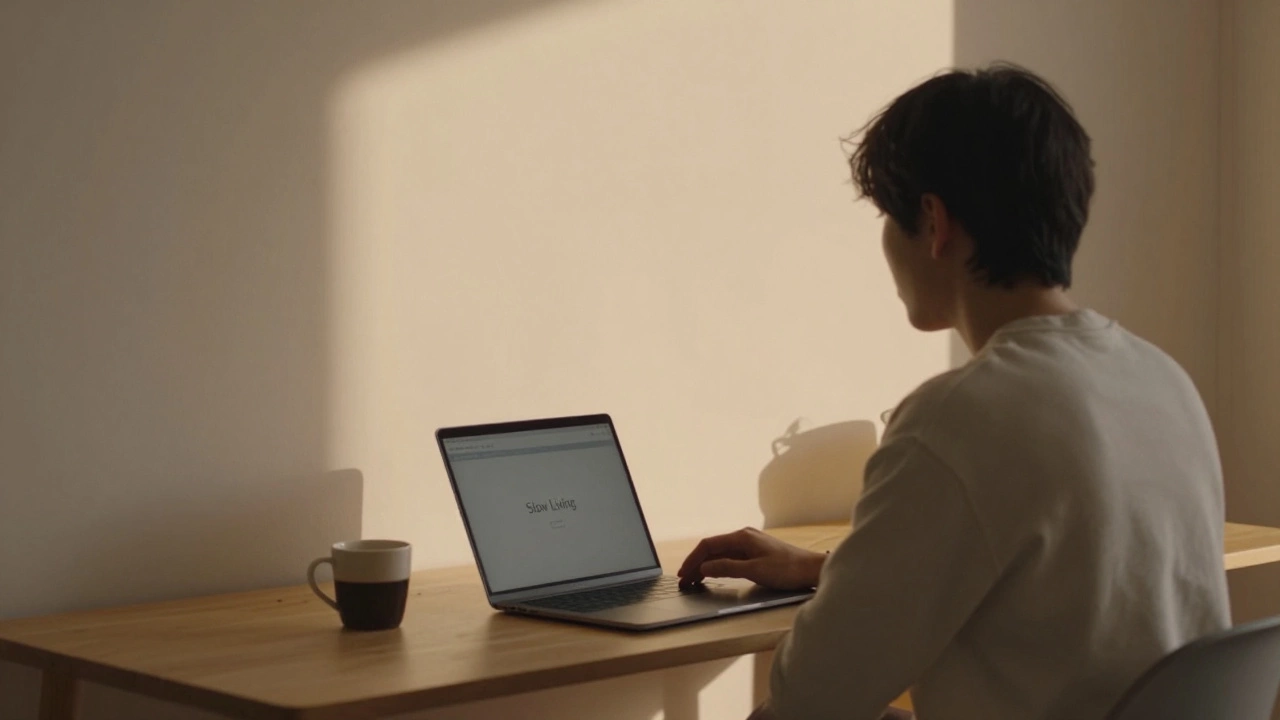
We can't talk about minimalism in 2026 without mentioning the digital noise. Your physical home might be clean, but is your digital home a disaster? A cluttered inbox, 50 open browser tabs, and a constant stream of notifications are the modern equivalents of a messy living room.
Digital Minimalism is a philosophy of technology use in which you focus your online time on a small number of carefully selected and optimized activities. It's about treating your attention as a precious resource. When you uninstall apps that only serve to distract you or set strict boundaries on screen time, you're practicing minimalism in the virtual realm.
Reducing the noise from social media allows you to reconnect with your own thoughts. Many people find that their "unhappiness" wasn't caused by a lack of things, but by a lack of presence. When you stop comparing your real life to someone else's curated highlight reel, your own life starts to feel sufficient again.
Does minimalism mean I have to get rid of everything I love?
Not at all. Minimalism is about removing the things you *don't* love to make room for the things you *do*. If you have a passion for collecting vintage vinyl or art, keep them. The goal is to eliminate the "filler"-the junk that doesn't serve a purpose or bring you joy-so that the things you actually cherish can shine.
Can minimalism actually make me sadder?
It can, if you approach it as a set of rigid rules or a performance for others. If you force yourself to get rid of items that provide emotional comfort or utility just to fit a "minimalist aesthetic," you may feel a sense of loss or deprivation. The key is to keep the process personal and flexible rather than dogmatic.
How do I handle family members who don't understand minimalism?
The hardest part of minimalism is often the social pressure. When family members insist on giving you gifts you don't need, try steering them toward "experience gifts" like dinner vouchers or movie tickets. Explain your journey not as "hating things," but as "loving space and time" more. Most people respect a boundary when it's framed as a quest for mental health.
Will minimalism help me save money?
Generally, yes. By shifting your mindset from "I want this" to "Do I need this?", you naturally reduce impulse spending. However, some minimalists actually spend more upfront by choosing high-quality, durable items that last a decade instead of cheap ones that break in a month. This is called "buying it once," and it's a core part of sustainable minimalism.
What is the first step for a total beginner?
Start with a "trash bag challenge." Take a bag and spend 15 minutes finding things that are objectively trash or broken. Once you've cleared the obvious junk, move to a small area like a bathroom cabinet. The feeling of success from clearing a small space is a powerful motivator to tackle bigger areas later.
Next Steps for Your Journey
If you're ready to see if this lifestyle works for you, don't overthink it. Start by auditing your time as well as your things. Where is your energy going? If you spend four hours a week cleaning things you don't even like, that's four hours you could spend hiking, reading, or sleeping.
For those who feel "stuck," try a 30-day minimalism challenge: get rid of one item on day one, two on day two, and so on. By the end of the month, you'll have removed 465 items from your life. That's a lot of physical and mental weight lifted. Just remember: the goal isn't a perfect house; it's a peaceful mind.