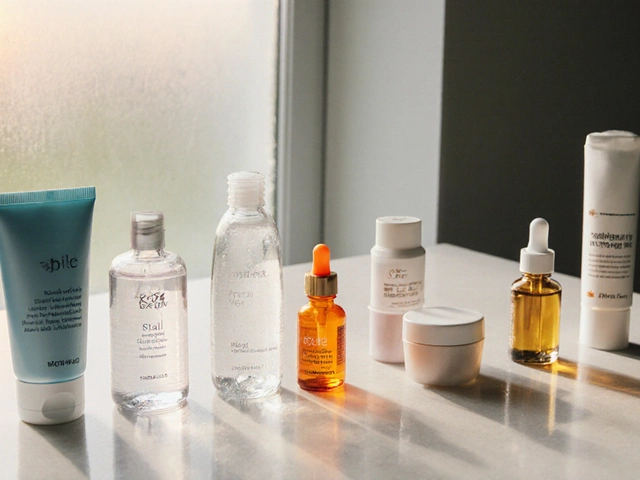
Personalized Skin Care Routine Builder
Tell us about your skin
☀️ Morning: Protect & Hydrate
🌙 Evening: Repair & Renew
Key Ingredients for You:
Select your options and click "Generate My Routine" to see your personalized plan.
The Truth About Aging Skin After 60
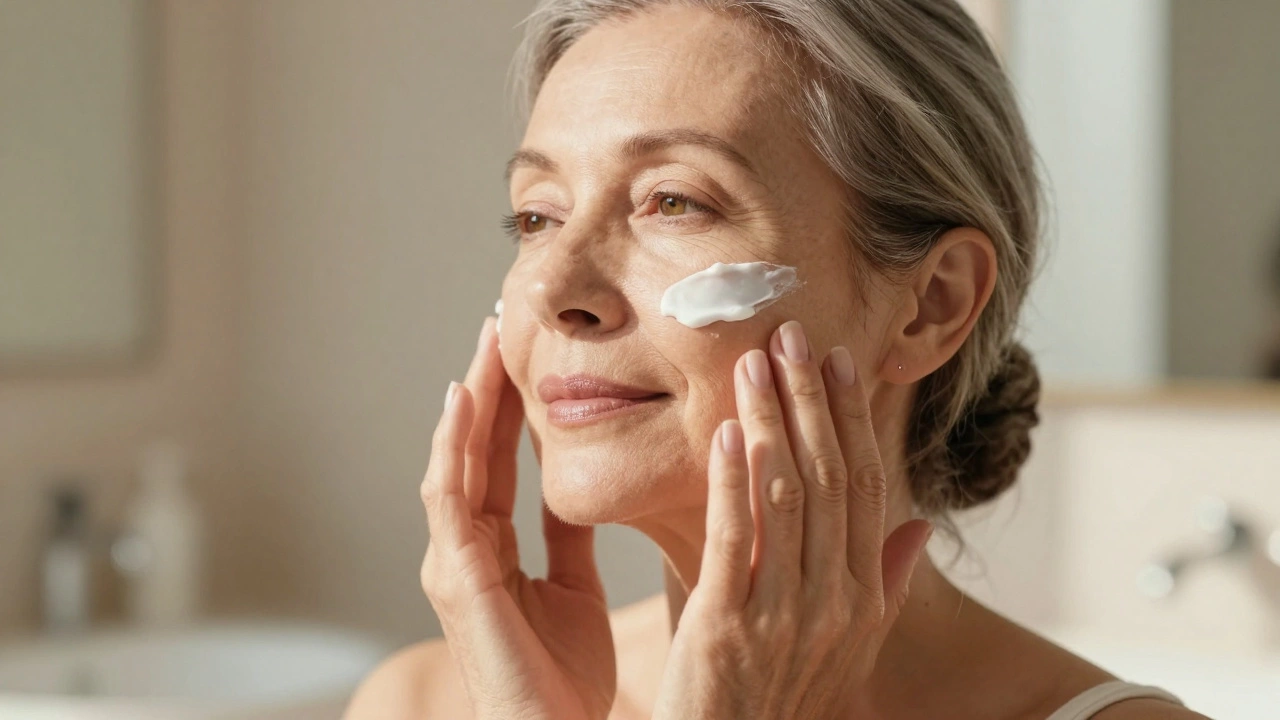
Turning sixty is a milestone that brings wisdom, but it also brings a distinct shift in how your skin behaves. You might notice that the products you relied on in your forties suddenly feel useless or even irritating. This isn't just in your head. By age sixty, your body produces significantly less collagen and elastin-the proteins responsible for keeping skin firm and bouncy. Your natural oil production drops, leading to dryness, and your skin barrier becomes thinner, making it more sensitive to environmental stressors.
So, what is the best skin care routine for a woman in this stage of life? It’s not about slapping on expensive creams and hoping for the best. It’s about understanding the biological changes happening under the surface and responding with targeted, gentle, yet effective ingredients. The goal shifts from prevention to repair and protection. You want a routine that hydrates deeply, stimulates cell turnover without irritation, and shields against further damage.
Morning Routine: Protect and Hydrate
Your morning routine should be quick but powerful. The primary goals are hydration and defense against UV rays and pollution. Since mature skin tends to be drier, start with a gentle cleanser that doesn’t strip away natural oils. Avoid foaming cleansers with sulfates; instead, opt for cream or milk-based formulas. Look for ingredients like ceramides or glycerin, which help maintain the skin’s moisture barrier.
After cleansing, apply a vitamin C serum. Vitamin C is an antioxidant that brightens dull skin and helps neutralize free radicals caused by sun exposure and pollution. For women over sixty, a stable form of vitamin C (like L-ascorbic acid at 10-15%) can make a noticeable difference in evening out skin tone and reducing dark spots. Let it absorb for a minute before moving to the next step.
Next comes moisturizer. At this age, lightweight lotions often aren’t enough. You need a richer cream that contains humectants (like hyaluronic acid) to pull water into the skin and occlusives (like shea butter or squalane) to lock it in. Apply it while your skin is still slightly damp to maximize absorption.
Finally, and most importantly, apply sunscreen. Every single day, regardless of weather. Sun damage is the number one cause of premature aging. Choose a broad-spectrum SPF 30 or higher. Mineral sunscreens with zinc oxide are often better tolerated by sensitive, mature skin because they sit on top of the skin rather than penetrating it, reducing the risk of irritation.
Evening Routine: Repair and Renew
Nighttime is when your skin goes into repair mode. This is the perfect time to introduce active ingredients that work on cell turnover and collagen production. Start by double-cleansing if you wear makeup or sunscreen. First, use an oil-based cleanser to dissolve makeup and sunscreen, then follow with your gentle water-based cleanser. This ensures your pores are clean without harsh scrubbing.
The star ingredient for evening routines after sixty is retinol or prescription tretinoin. Retinoids boost collagen production, smooth fine lines, and improve texture. However, mature skin is fragile. Start slow-use a low-concentration retinol (0.25% or 0.5%) two nights a week. Gradually increase frequency as your skin tolerates it. If retinol is too irritating, consider bakuchiol, a plant-based alternative that offers similar benefits with less sensitivity.
Follow up with a peptide-rich serum. Peptides are chains of amino acids that signal your skin to produce more collagen. They are gentle and work well alongside retinoids. Look for peptides like Matrixyl or Argireline, which target wrinkles and firmness.
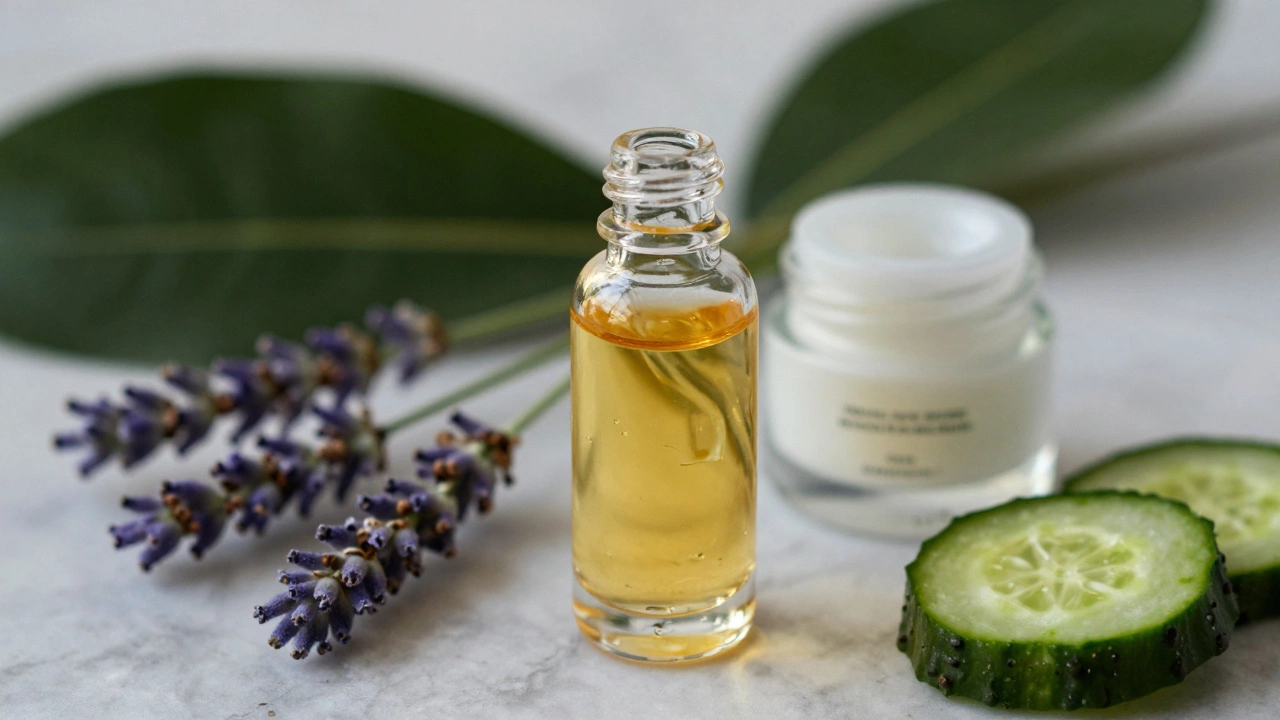
Finish with a heavy night cream or facial oil. Facial oils like rosehip, jojoba, or marula oil can provide deep nourishment and help seal in all the previous layers. They mimic the skin’s natural sebum, providing comfort and preventing transepidermal water loss overnight.
Key Ingredients to Look For
Not all ingredients are created equal for mature skin. Here’s a breakdown of what works and why:
- Hyaluronic Acid: Holds up to 1000 times its weight in water. Essential for plumping dry skin.
- Ceramides: Rebuild the skin barrier, preventing moisture loss and protecting against irritants.
- Niacinamide: Reduces redness, minimizes pores, and improves elasticity. Great for sensitive skin.
- Glycolic Acid: An alpha hydroxy acid (AHA) that exfoliates dead skin cells, revealing brighter skin underneath. Use sparingly, once or twice a week, to avoid irritation.
- Caffeine: Helps reduce puffiness around the eyes, a common concern for older adults.

Common Mistakes to Avoid
Many women make the mistake of using too many active ingredients at once. Combining retinol, vitamin C, and strong acids in the same routine can lead to severe irritation, redness, and broken capillaries. Less is more. Introduce one new product at a time and wait two weeks before adding another.
Another error is neglecting the neck and décolletage. These areas show signs of aging just as quickly as the face but are often forgotten. Extend your moisturizer and sunscreen down to your chest. Also, avoid hot water when washing your face, as it strips natural oils. Lukewarm water is ideal.
Don’t forget lifestyle factors. Hydration from within matters. Drink plenty of water, eat a diet rich in antioxidants (berries, leafy greens), and prioritize sleep. Stress hormones like cortisol break down collagen, so managing stress is part of skincare too.
Choosing the Right Products
When shopping for products, focus on formulation rather than brand hype. Drugstore brands like CeraVe, La Roche-Posay, and Neutrogena offer excellent, dermatologist-tested options at affordable prices. Luxury brands may have nicer packaging and scents, but they don’t necessarily perform better. Look for clinical studies backing the efficacy of their key ingredients.
If you have specific concerns like rosacea or eczema, consult a dermatologist. They can prescribe treatments tailored to your condition. Over-the-counter products are great for general maintenance, but medical-grade solutions are needed for persistent issues.
Can I still use anti-aging products after 60?
Yes, absolutely. While you can’t reverse aging completely, ingredients like retinol and peptides can continue to stimulate collagen production and improve skin texture. Consistency is key.
How often should I exfoliate my mature skin?
Once or twice a week is usually sufficient. Over-exfoliation can damage the thinning skin barrier. Opt for gentle chemical exfoliants like lactic acid or PHA instead of harsh physical scrubs.
Is sunscreen really necessary if I stay indoors?
Yes. UVA rays penetrate windows and contribute to aging. Even if you’re near a window, daily sunscreen application protects your skin from cumulative damage.
What should I do if my skin feels tight after cleansing?
Your cleanser is likely too harsh. Switch to a non-foaming, hydrating cleanser. Tightness indicates that your skin’s natural oils are being stripped away, which can lead to increased dryness and irritation.
Are facial oils good for oily mature skin?
It depends. Some mature skin types produce excess oil due to hormonal changes. In such cases, lightweight, non-comedogenic oils like squalane or grapeseed oil can balance sebum production without clogging pores.