Pooch Belly Cause & Strategy Analyzer
Answer a few questions to determine if your 'pooch' is likely due to posture, muscle weakness, stress, or bloating.
Your Result
Analysis results will appear here.
- You cannot target fat loss in one spot; you need a systemic approach.
- Focus on the transverse abdominis (TVA) for a 'corset' effect.
- Managing cortisol and inflammation is as important as the gym.
- Consistent protein intake and sleep are non-negotiable for fat loss.
Understanding What a Pooch Belly Actually Is
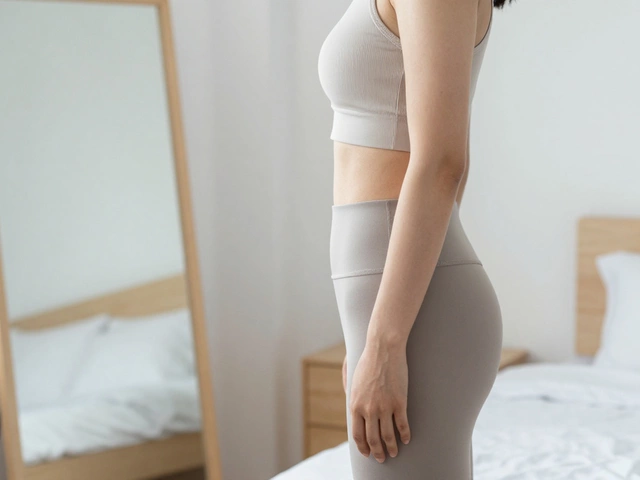
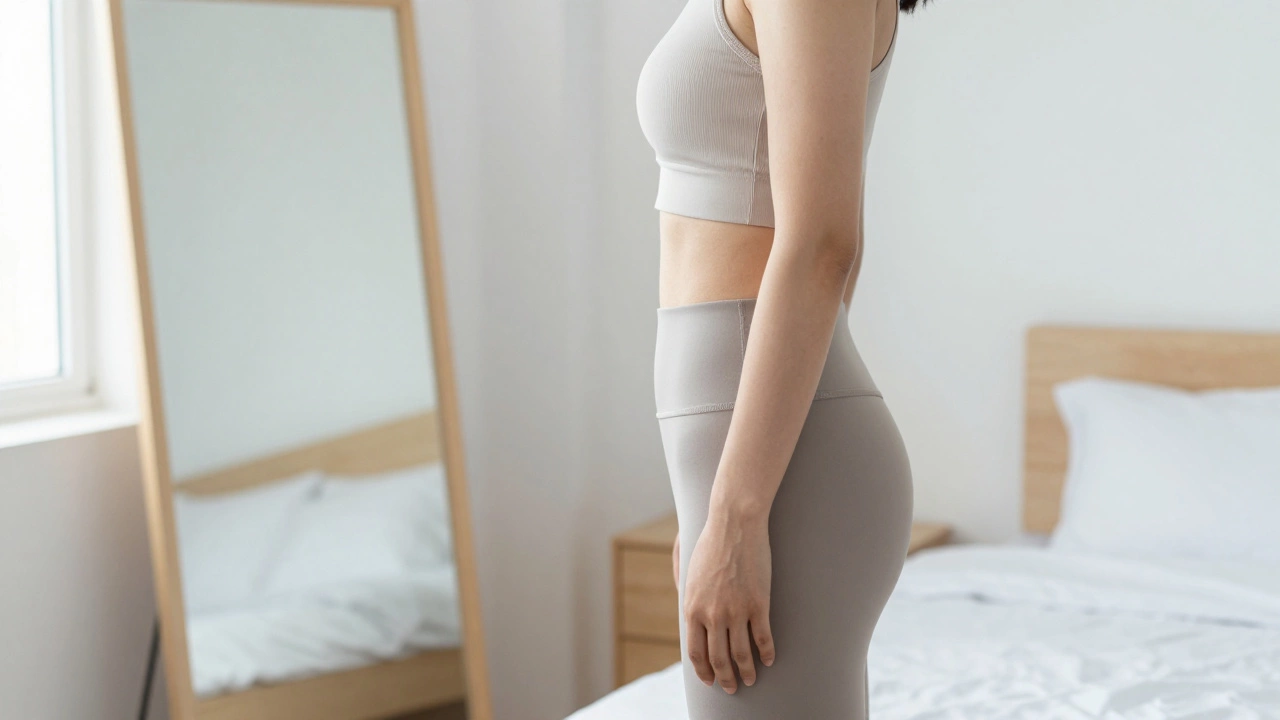
Before you start sweating, we need to figure out what we're dealing with. Not every pooch is just "extra weight." Sometimes, it's Subcutaneous Fat, which is the pinchable fat just under your skin. Other times, it's Visceral Fat, the deeper fat that surrounds your organs and can push the abdominal wall outward. Then there's the structural side. If your pelvis tilts too far forward-what pros call Anterior Pelvic Tilt-it pushes your stomach out, making you look like you have a pooch even if you have very little body fat. It's basically a posture glitch where your lower back arches too much. If you stand sideways in a mirror and see a deep curve in your lower back, your 'belly' might actually be a skeletal alignment issue rather than a fat issue.The Secret Weapon: The Transverse Abdominis
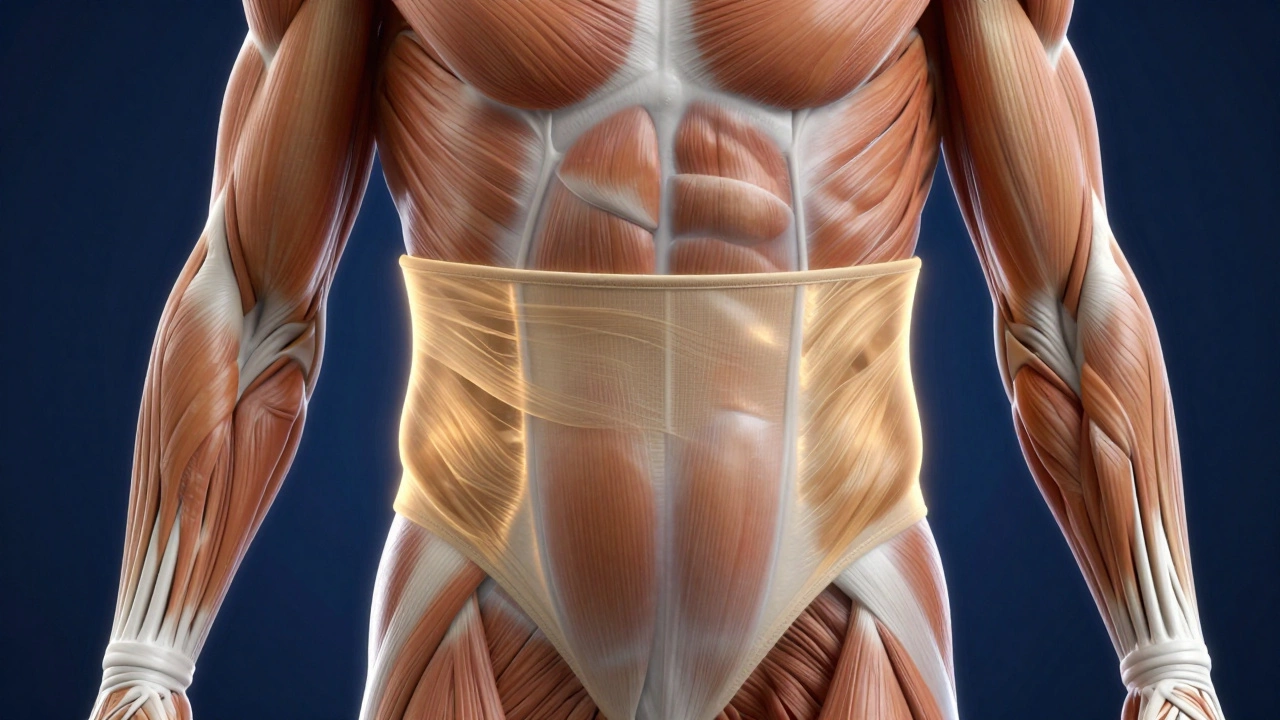
Most people go straight for sit-ups, but those mostly hit the rectus abdominis (the six-pack muscles). To actually pull the belly in, you need to target the Transverse Abdominis (TVA). Think of the TVA as your body's internal weight belt or corset. It's the deepest layer of abdominal muscle that wraps around your torso. When the TVA is weak, your internal organs don't have enough support to stay tucked in, which leads to that protruding look. To wake up this muscle, forget the crunching. Instead, focus on "bracing." Imagine someone is about to poke you in the stomach; that tightening sensation is your TVA engaging. One of the best ways to train this is through Stomach Vacuuming. This is an old-school bodybuilding technique where you exhale all your air and pull your belly button toward your spine. If you do this for 20 seconds at a time every morning, you'll start to see a difference in how your stomach sits naturally.The Best Workouts to Flatten the Lower Midsection
Since we can't tell our bodies exactly where to burn fat, the goal is to build a strong foundation of muscle while burning calories. High-intensity movements combined with stability work are the gold standard here. You want exercises that force your core to stabilize your spine while your limbs move.| Exercise | Primary Target | Why It Works |
|---|---|---|
| Dead Bugs | TVA & Deep Core | Prevents arching and forces lower back contact with the floor. |
| Hollow Body Holds | Entire Core | Creates isometric tension that mimics a rigid plank. |
| Leg Raises | Lower Rectus Abdominis | Targets the bottom portion of the abdominal wall. |
| Mountain Climbers | Core & Heart Rate | Combines stability with cardio for calorie burn. |
Feeding Your Way to a Flatter Stomach
You've heard that abs are made in the kitchen, and while that's a cliché, it's mostly true. However, it's not about starving yourself. Extreme calorie deficits often spike Cortisol, the stress hormone. When cortisol levels stay high, your body actually clings to fat in the abdominal area-especially the lower part. This is often called a "stress belly." Focus on a high-protein diet. Protein helps maintain lean muscle mass, which keeps your metabolism humming even when you're resting. Incorporate foods like greek yogurt, lentils, and lean meats. Pair these with fiber-rich vegetables to prevent bloating. Bloating is the great impostor; sometimes the pooch isn't fat, it's just gas or inflammation from foods you're sensitive to, like dairy or refined sugars. Drink plenty of water, but be careful with carbonated drinks. Sparkling water is great, but the bubbles can trap air in your digestive tract, pushing your stomach out. If you're trying to look lean for an event, skip the soda and the straws, as both introduce extra air into your system.The Role of Sleep and Stress Management
If you're training hard and eating clean but still have a pooch, look at your sleep. Sleep deprivation is a fast track to weight gain. When you don't sleep, your levels of Ghrelin (the hunger hormone) go up, and Leptin (the fullness hormone) drops. You'll find yourself craving sugar and carbs, which are the primary fuels for belly fat. Moreover, chronic stress keeps your body in a "fight or flight" state. This tells your body to store energy (fat) around the midsection to protect your vital organs. Simple things like a 10-minute walk in nature or a consistent bedtime can do more for your waistline than an extra hour of cardio. If your nervous system is fried, your body won't let go of the fat, no matter how many planks you do.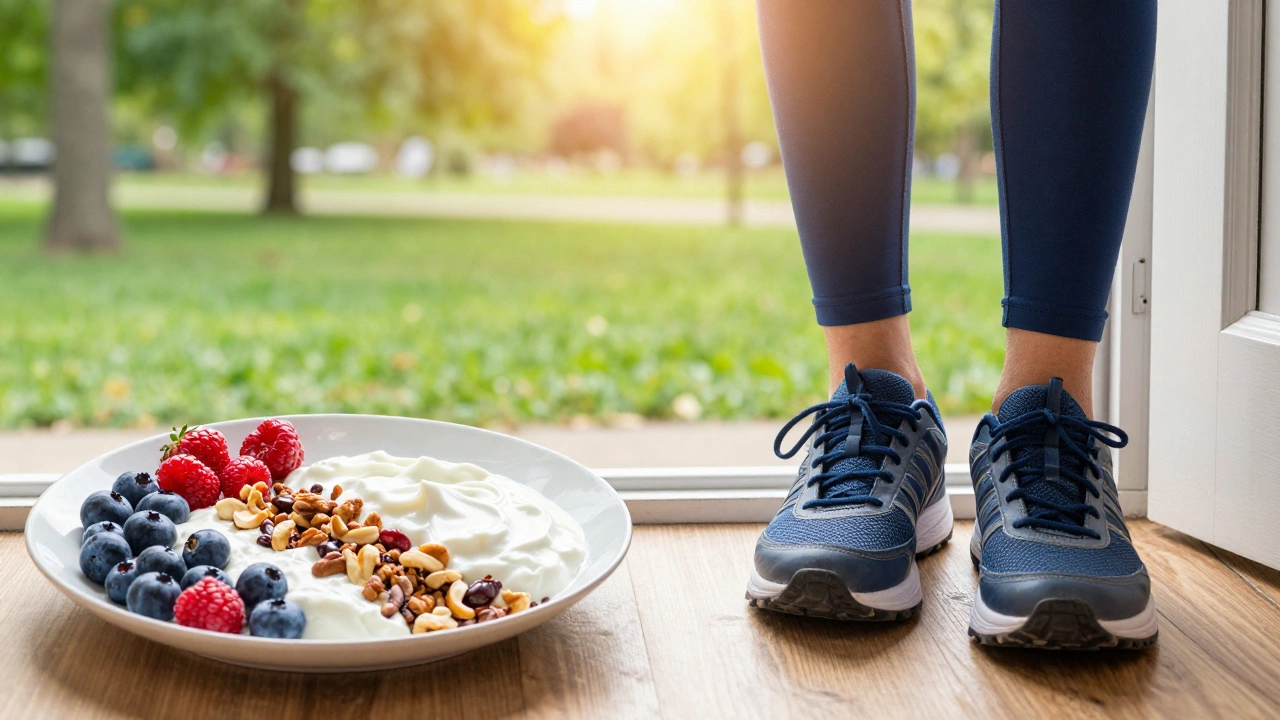
Putting It All Together: Your Daily Game Plan
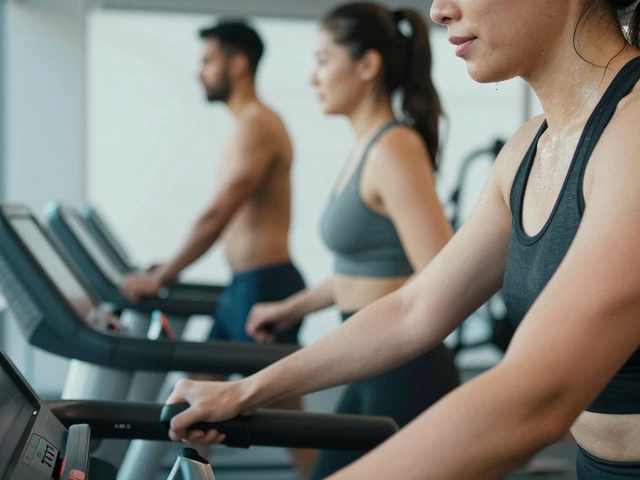
Success doesn't happen from one crazy workout; it happens from small things done every day. Instead of a "crash diet," think of this as a lifestyle shift. Start your day with a few stomach vacuums to wake up your deep core. Throughout the day, be mindful of your posture-imagine a string pulling the top of your head toward the ceiling, which naturally tucks your pelvis and flattens your stomach. Combine your strength training with some form of LISS (Low-Intensity Steady State) Cardio. A brisk 30-minute walk is often better for fat loss than a grueling run because it doesn't spike cortisol as much. When you combine these habits-protein, sleep, TVA activation, and walking-the pooch slowly disappears because you're attacking the problem from every angle.Can I lose just my lower belly fat?
No, spot reduction is a myth. Your body decides where to pull fat from based on genetics and hormones. However, by lowering your overall body fat percentage and toning the underlying muscles, the lower belly area will eventually lean out.
Why does my stomach pooch out after eating?
This is usually due to bloating or a weak TVA muscle. When you eat, your stomach expands; if your deep core muscles aren't strong enough to hold the abdominal wall in, the stomach pushes outward. Improving your core stability and identifying trigger foods can help.
Are crunches the best exercise for a pooch belly?
Not really. Crunches target the surface muscles. For a flatter look, you need exercises that hit the transverse abdominis and stability movements like dead bugs or planks, which pull the stomach in rather than just flexing the front wall.
Does drinking lemon water actually flatten the stomach?
Lemon water doesn't burn fat directly. However, it can help with digestion and reduce water retention, which might make you look leaner. It's a healthy habit, but it's not a substitute for a calorie deficit and exercise.
How long does it take to see results?
Depending on your starting point, you might see a difference in posture and bloating within two weeks. Actual fat loss usually takes 4 to 12 weeks of consistent diet and exercise before it becomes visually obvious in the lower abdomen.