England Trip Budget Calculator
Planning a trip to England is a journey through centuries of history, diverse landscapes, and vibrant modern culture can feel overwhelming if you don't know where to start. With so many iconic cities, historic castles, and charming countryside villages, it’s easy to get lost in the details before you even book your flight. But here’s the good news: with a little structure and smart planning, you can craft an unforgettable experience without the stress.
Quick Summary / Key Takeaways
- Best time to visit: May-September for mild weather; October-April for fewer crowds and lower prices.
- Visa requirements: Most visitors need a Standard Visitor Visa unless from visa-exempt countries (check UK government website).
- Budget range: £80-£150/day for mid-range travelers; budget options available with hostels and public transport.
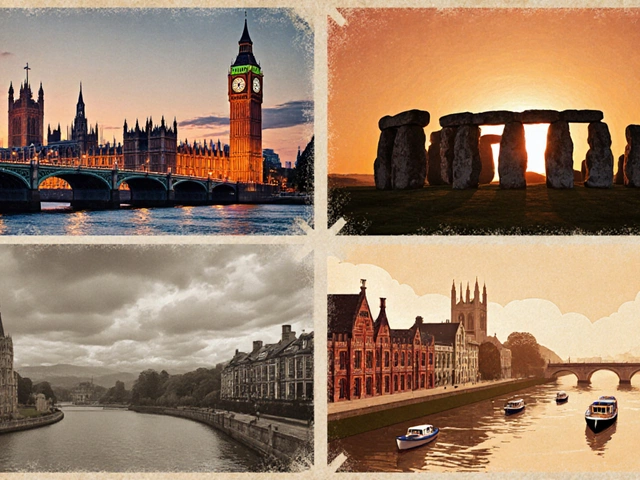
- Top destinations: London, Oxford, Cambridge, York, Bath, Stonehenge, Lake District, Cotswolds.
- Transport tip: Use rail passes like the BritRail Pass or regional tickets for cost-effective travel between cities.
Step 1: Define Your Travel Goals
Before booking anything, ask yourself what kind of England you want to experience. Are you drawn to urban energy, historical landmarks, rural tranquility, or food and drink culture? This decision shapes everything else-your route, accommodation style, and daily activities.
If you’re into city life, base yourself in London is the capital of England and one of the world's most visited cities, which offers world-class museums, theaters, and neighborhoods like Shoreditch and Notting Hill. For history buffs, consider adding Oxford, Cambridge, and York to your itinerary. If nature calls, the Lake District and Yorkshire Dales offer some of the most scenic hikes in Europe.
Pro tip: Don’t try to do too much. Pick 3-4 regions max per trip unless you have over two weeks. Rushing leads to fatigue and missed experiences.
Step 2: Choose the Right Time to Visit
The best time to visit England depends on your priorities:
- May-September: Mild temperatures (15-25°C), longer daylight hours, ideal for outdoor activities and sightseeing.
- October-November: Fewer tourists, autumn foliage, cozy pubs, and cheaper flights.
- December-February: Winter charm with Christmas markets, but shorter days and colder weather (5-10°C).
- March-April: Spring blooms, Easter events, and rising demand for accommodations.
Shoulder seasons (April-May and September-October) often give the best balance of weather and crowd levels. Avoid major holidays like Bank Holidays unless you enjoy packed attractions.
Step 3: Budget Breakdown & Cost Planning
Your daily spending in England varies widely depending on location and lifestyle. Here’s a realistic breakdown for a mid-range traveler:
| Category | Estimated Daily Cost (£) |
|---|---|
| Accommodation | £60-£120 |
| Food & Drinks | £30-£50 |
| Local Transport | £10-£20 |
| Attractions & Tours | £20-£40 |
| Miscellaneous | £10-£20 |
Total estimated daily cost: £130-£250. Adjust based on whether you're staying in London (more expensive) or smaller towns (cheaper). Hostels start at £25/night, while boutique hotels run £100+.
Step 4: Transportation Options
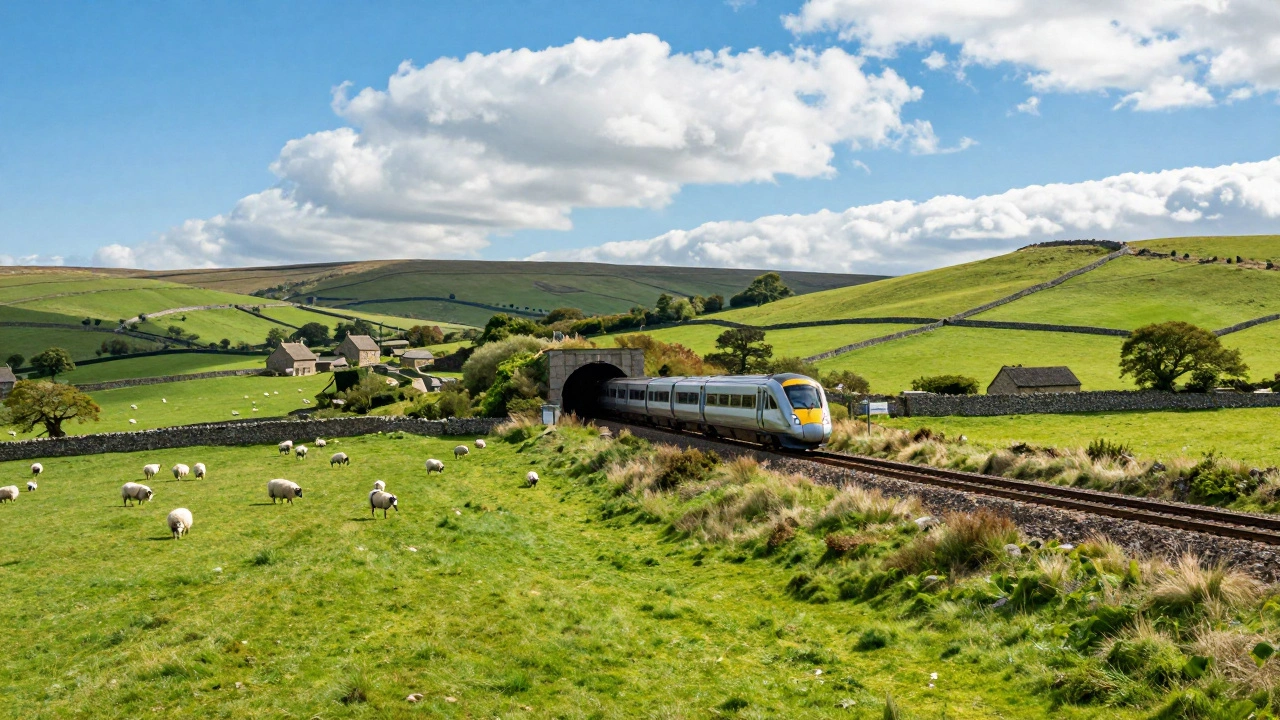
Getting around England is straightforward thanks to its well-connected rail network. You have several options:
- Train: Fastest way between cities. Book early via Trainline or National Rail for discounts.
- Bus: Cheapest option. Megabus and National Express serve major routes.
- Rental Car: Best for exploring countryside areas like the Cotswolds or Peak District.
- Fly: Useful for long distances (e.g., London to Edinburgh), though domestic flights are limited.
Consider buying a BritRail Pass is a flexible train pass for non-residents traveling across Great Britain if you plan to take multiple trains. It saves money and hassle compared to individual ticket purchases.
Step 5: Must-Visit Destinations
Here are the top places to include in your England itinerary:
- London: Buckingham Palace, Tower of London, British Museum, West End shows.
- Oxford & Cambridge: Historic universities, punting tours, and Gothic architecture.
- York: Medieval streets, Viking history, and the famous Minster.
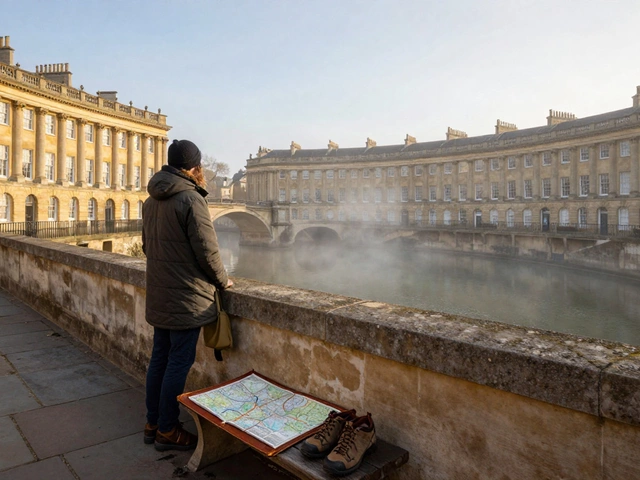
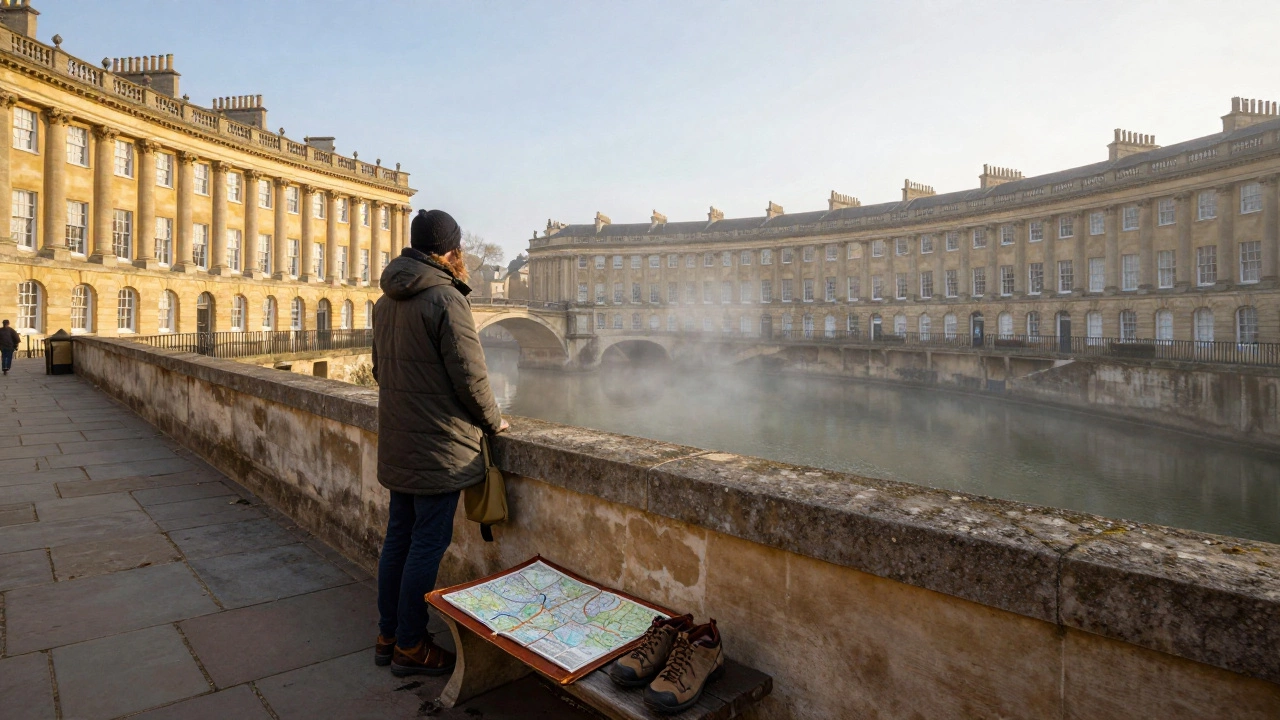
- Bath: Roman baths, Georgian buildings, and Jane Austen connections.
- Stonehenge: One of the world’s most mysterious ancient monuments.
- Lake District: Stunning lakes, mountains, and walking trails near Windermere.
- Cotswolds: Quaint villages, rolling hills, and traditional stone cottages.
Don’t forget day trips! From London, you can reach Brighton, Windsor, or Stratford-upon-Avon within an hour by train.
Step 6: Accommodation Tips
Where you stay affects both comfort and convenience. Consider these types:
- Hostels: Ideal for solo travelers and backpackers. Look for YHA locations for quality stays.
- B&Bs: Offer personal service and homemade breakfasts, especially popular in rural areas.
- Airbnb: Great for families or groups wanting kitchen access and more space.
- Hotels: Range from budget chains like Premier Inn to luxury brands like Ritz-Carlton.
Book ahead during peak season (June-August) and always read recent reviews. Location matters-stay near central stations or tourist hubs to save time and transport costs.
Step 7: Visa & Entry Requirements
Most travelers need a Standard Visitor Visa is required for short-term visits to the UK for tourism, business, or study. However, citizens of certain countries-including the US, Canada, Australia, and New Zealand-are eligible for eTA (Electronic Travel Authorization) instead.
Apply online through the official UK government website. Processing takes up to 3 weeks, so apply early. Bring proof of funds, return ticket, and accommodation details when entering.
Step 8: Packing Essentials
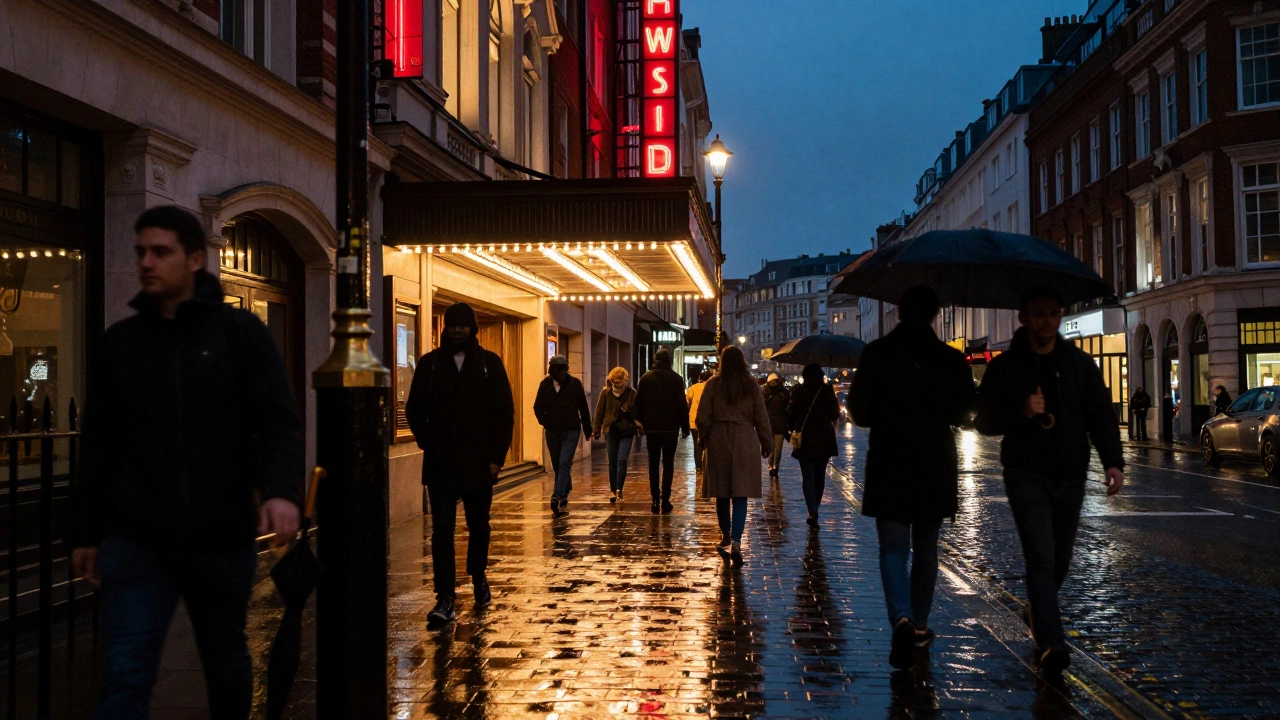
England’s weather changes quickly, so pack layers. Even in summer, evenings can be cool. Essential items:
- Waterproof jacket
- Comfortable walking shoes
- Reusable water bottle
- Power adapter (Type G plugs)
- Compact umbrella
- Smartphone with offline maps
Also bring a valid passport and any required visas. Keep digital copies of important documents just in case.
Step 9: Cultural Etiquette & Safety
English people value politeness and queueing. Always say “please” and “thank you,” and wait your turn in line-it’s a big deal here. Public spaces are generally safe, but watch your belongings in crowded areas like Tube stations and tourist hotspots.
Alcohol laws are strict: no drinking in public parks or on trains after 11 PM. Smoking is banned indoors except in designated areas. Tipping isn’t mandatory but appreciated-10-15% in restaurants if service charge isn’t included.
Mini-FAQ / Frequently Asked Questions
Do I need a visa to visit England?
Yes, most travelers need a Standard Visitor Visa. Citizens of visa-exempt countries may use an eTA. Check the UK government website for eligibility.
What is the best time to visit England?
May-September offers the best weather. Shoulder months (April-May and September-October) provide a good mix of decent weather and fewer crowds.
How much does a trip to England cost?
A mid-range traveler should expect £130-£250/day including accommodation, food, transport, and attractions. Budget travelers can spend less using hostels and local buses.
Is it safe to travel alone in England?
Yes, England is very safe for solo travelers. Just keep your valuables secure and avoid poorly lit areas late at night.
Can I drive in England?
Yes, if you hold a valid license from your home country. Remember that driving is on the left side of the road.
Next Steps / Troubleshooting
If you’re still unsure about your route, start with London as your hub and build outward. Use Google Maps to estimate travel times between destinations. Join travel forums like TripAdvisor or Reddit’s r/travel for real-time advice from fellow travelers.
For last-minute issues, contact the UK embassy or consulate in your country. They can help with lost passports or emergency assistance abroad.