Eco-Impact Progress Estimator
The article states that absolute perfection is impossible, but progress matters. This tool helps you estimate your current standing in the three biggest emission categories: Transportation, Diet, and Home Energy. Focus your energy where it counts most.
Your Eco-Progress Score
Based on household actions accounting for ~25-30% of global emissions.
Awaiting Input
Let’s be honest: the idea of being 100% eco-friendly is a bit like trying to clean your house while it’s still under construction. You sweep the floor, but someone just tracked mud in from outside. We chase this mythical state of perfect sustainability, feeling guilty every time we use a plastic bag or drive to the grocery store. But here is the truth that most influencers won’t tell you: absolute perfection is impossible in our current global supply chain. Even if you live off-grid and grow all your own food, the solar panels on your roof required mining, manufacturing, and shipping. So, does that mean you should give up? Absolutely not. The goal isn’t perfection; it’s progress. It’s about making conscious choices that lower your impact without driving you crazy.
Eco-friendly living is a lifestyle approach focused on reducing individual environmental impact through conscious consumption, waste reduction, and energy efficiency. Unlike strict zero-waste movements that often demand immediate, drastic changes, sustainable living is a spectrum. It allows for flexibility based on your budget, location, and personal values. The key is understanding where your biggest impacts come from so you can focus your energy there, rather than sweating the small stuff.
The Myth of Perfection vs. The Power of Progress
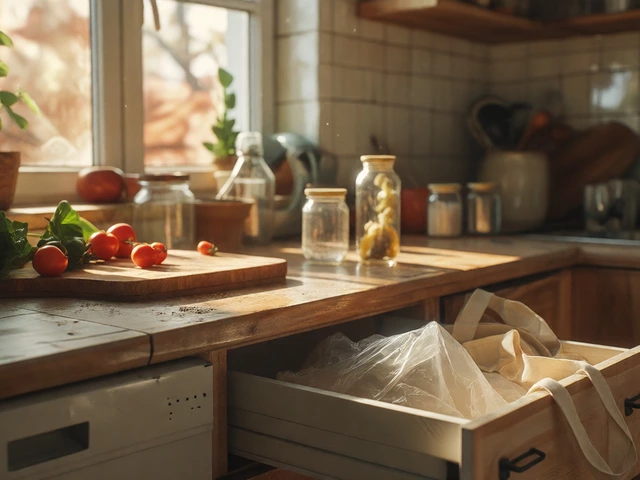
Why do we feel such pressure to be perfect? Marketing plays a huge role. Brands love to sell us "green" alternatives that are actually worse for the planet. Think about cotton tote bags. Studies suggest you need to use a single organic cotton tote thousands of times to offset its production impact compared to a standard plastic bag. If you have twelve of them stuffed in a drawer, you’re likely creating more waste than you’re saving. This is what experts call "greenwashing"-making something look eco-friendly when it isn’t necessarily better.
Instead of chasing the unattainable 100%, aim for the "good enough" threshold. Research from Project Drawdown indicates that household actions account for roughly 25-30% of global emissions. That means your choices matter, but they don’t carry the entire weight of climate change. Focus on high-impact areas first. For many people, that’s transportation, home energy use, and diet. If you can improve those three areas by 20%, you’ve done more good than switching to bamboo toothbrushes while still flying internationally twice a year.
Rethinking Your Wardrobe
Fashion is one of the dirtiest industries on the planet. The United Nations Environment Programme estimates that the fashion industry produces 10% of global carbon emissions-more than all international flights and maritime shipping combined. And yet, we keep buying clothes we wear once. Being eco-friendly with your style doesn’t mean wearing burlap sacks. It means shifting your mindset from quantity to quality.
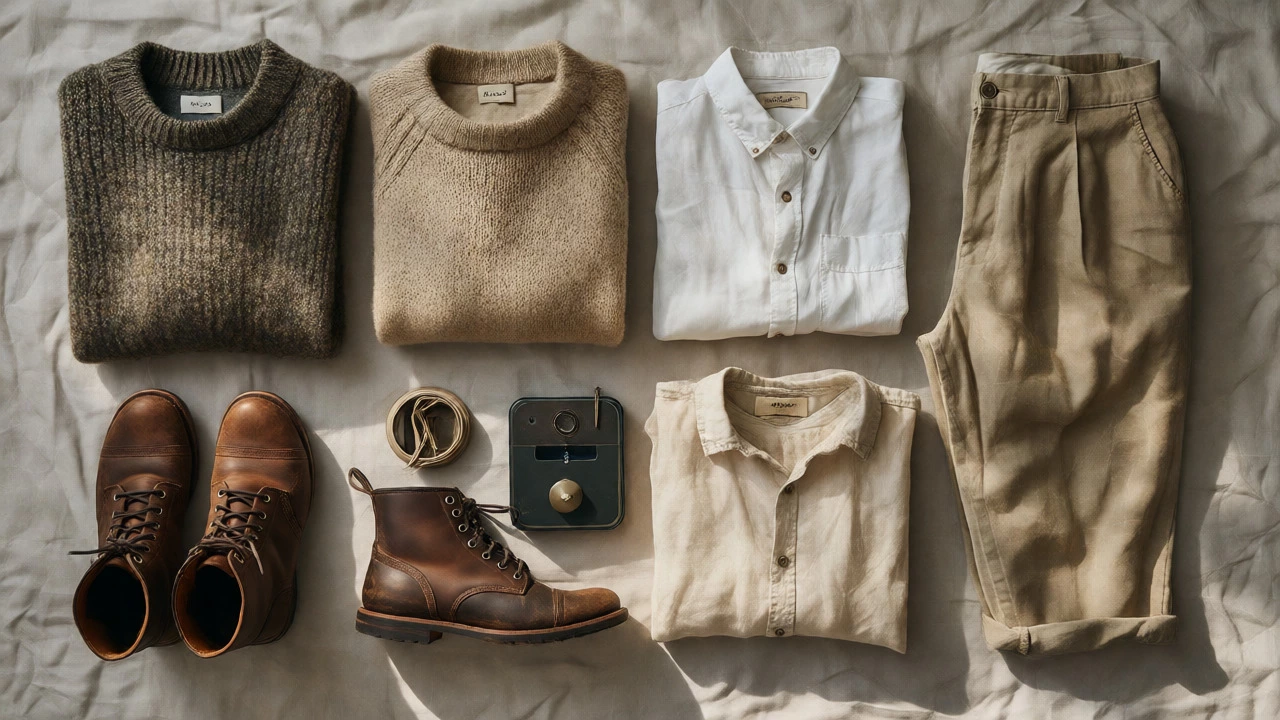
Start with the capsule wardrobe concept, which involves curating a collection of versatile clothing items that can be mixed and matched. This reduces decision fatigue and impulse buys. When you do need new items, look for materials with lower water and chemical footprints. Organic cotton uses less water than conventional cotton, but hemp and linen are even more efficient. However, material choice is secondary to longevity. A cheap polyester shirt worn ten times has a higher per-wear impact than an expensive wool sweater worn five hundred times.
| Material | Water Usage | Biodegradability | Durability |
|---|---|---|---|
| Conventional Cotton | Very High | High | Moderate |
| Polyester | Low | None (Plastic) | High |
| Hemp | Low | High | Very High |
| Linen | Low | High | High |
Secondhand shopping is another powerful tool. Platforms like ThredUp or local thrift stores extend the life of garments that already exist. Buying used requires no new resources for production. It’s the closest thing to "free" environmental impact you can get. If you must buy new, support brands that offer repair services or take-back programs. Patagonia, for example, has been repairing gear for decades, proving that durability is a business model, not just a buzzword.
Kitchen and Food Choices
Your plate is a powerful lever for change. You don’t need to go fully vegan to make a difference, though plant-based diets generally have a lower carbon footprint. The Environmental Working Group suggests that cutting out beef and lamb alone can reduce your food-related emissions by nearly half. Why? Ruminant animals produce methane, a potent greenhouse gas, and require vast amounts of land and feed.
But food waste is the silent killer. In the US alone, households throw away about 30% of the food they purchase. This waste ends up in landfills, where it decomposes anaerobically and releases methane. To combat this, plan your meals. Use apps like Too Good To Go to rescue surplus food from restaurants, or simply learn to love leftovers. Composting is also essential for anything that truly can’t be eaten. If you don’t have a garden, many cities now offer curbside composting pickup.
Be wary of the "packaging panic." While plastic packaging is problematic, removing all packaging can sometimes increase spoilage. For perishables like cucumbers or berries, thin plastic wrapping can extend shelf life significantly, preventing more substantial food waste. Balance is key. Choose loose produce when possible, bring reusable bags, and prioritize buying in bulk for dry goods like rice and beans.
Home Energy and Efficiency
Your home is likely your largest source of ongoing emissions. Heating and cooling account for nearly half of a typical home’s energy use. Before you install solar panels, fix the leaks. Air sealing and insulation are often more cost-effective and impactful than renewable energy installations for existing homes. Drafty windows and poor insulation mean your heating system works harder, burning more fuel.
Switching to LED bulbs is a no-brainer-they use at least 75% less energy than incandescent lighting and last 25 times longer. But don’t stop there. Unplug electronics when not in use. "Vampire power" accounts for up to 10% of residential electricity use. Smart power strips can help automate this. Also, consider your water heater. Lowering the temperature to 120°F (49°C) saves energy and prevents scalding. These small tweaks add up over months and years.
If you rent, you might think you’re powerless. Not true. You can use draft stoppers, switch to low-flow showerheads (often allowed if you keep the old ones), and adjust your thermostat habits. Communicate with your landlord about upgrading appliances if they are outdated. Many landlords appreciate tenants who care about utility costs.

Transportation and Travel
For many, transportation is the single largest contributor to their personal carbon footprint. Walking, biking, and public transit are obvious winners, but they aren’t always feasible depending on your location. If you must drive, combining errands into one trip saves fuel. Maintaining proper tire pressure improves gas mileage by up to 3%. If you’re in the market for a new car, electric vehicles (EVs) are becoming increasingly viable. According to the International Council on Clean Transportation, EVs typically emit 66-69% fewer lifecycle emissions than gasoline cars in Europe and the US, even accounting for battery production.
Air travel is trickier. One long-haul flight can equal the annual emissions of some individuals’ other activities combined. If you fly often, consider carbon offsetting, but choose carefully. Look for projects verified by standards like Gold Standard or Verra. Better yet, question the necessity of the trip. Can that meeting happen via video call? Can you explore closer destinations? The rise of "slow travel" encourages fewer trips taken for longer durations, allowing you to connect more deeply with places and reduce transit frequency.
The Mental Shift: Sustainable Habits
Sustainability isn’t just about products; it’s about psychology. We are wired for convenience. Making eco-friendly choices easier helps stickiness. Keep reusable bags in your car or by the door. Prep snacks in reusable containers to avoid buying packaged items. Make the right choice the easy choice.
Also, beware of "eco-anxiety." Feeling overwhelmed by the scale of environmental problems can lead to paralysis. Connect with communities. Local gardening groups, repair cafés, or online forums provide support and share practical tips. Seeing others make imperfect efforts normalizes your own journey. Remember, we don’t need a handful of people doing zero waste perfectly. We need millions of people doing it imperfectly.
Can I really be 100% eco-friendly?
Realistically, no. Every product has an embedded carbon footprint from extraction, manufacturing, and transport. Even recycled materials require energy to process. The goal is to minimize impact as much as practically possible, not to reach a theoretical zero.
Are paper bags better than plastic?
Not necessarily. Paper bags require more water and energy to produce and transport due to their weight. They are biodegradable, which is a plus, but only if they end up in compost, not landfill. Reusable bags used consistently are the best option.
Do I need to go vegan to be eco-friendly?
No. Reducing meat consumption, especially red meat, has a significant positive impact. A flexitarian diet offers many benefits without the strict constraints of veganism. Focus on reducing overall consumption rather than eliminating entire categories if that feels unsustainable for you.
Is recycling actually effective?
Recycling rates vary by material. Aluminum and glass have high recycling success rates. Plastic is much lower, often around 9% globally. Reduce and reuse are more effective strategies than recycling alone. Always check local guidelines, as contamination ruins batches.
How do I start without getting overwhelmed?
Pick one category to focus on each month. Start with waste, then move to energy, then food. Small, consistent changes build habits. Don’t try to overhaul your entire life overnight. Celebrate small wins to maintain motivation.