Belly Fat Loss: Plate Method Visualizer
Build Your Meal Plan
Adjust the percentages to see how your meal compares to the recommended Plate Method for reducing belly fat.
Visual Proportion
Quick Wins for Your Prep Week
- The Protein First Rule: Always cook your proteins first. Whether it's grilled chicken or tofu, they take the longest and are the most important for keeping you full.
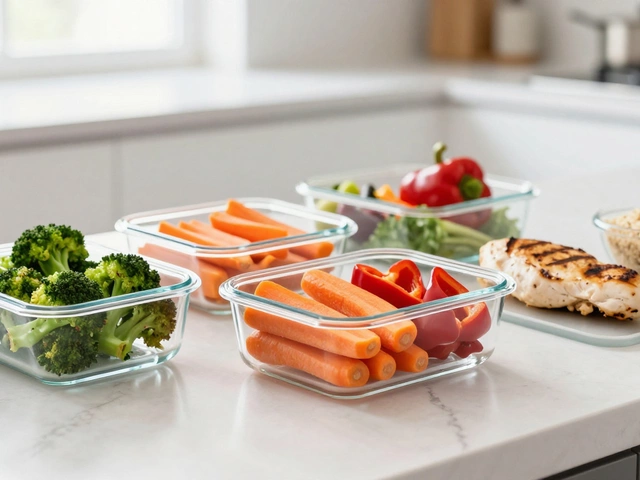
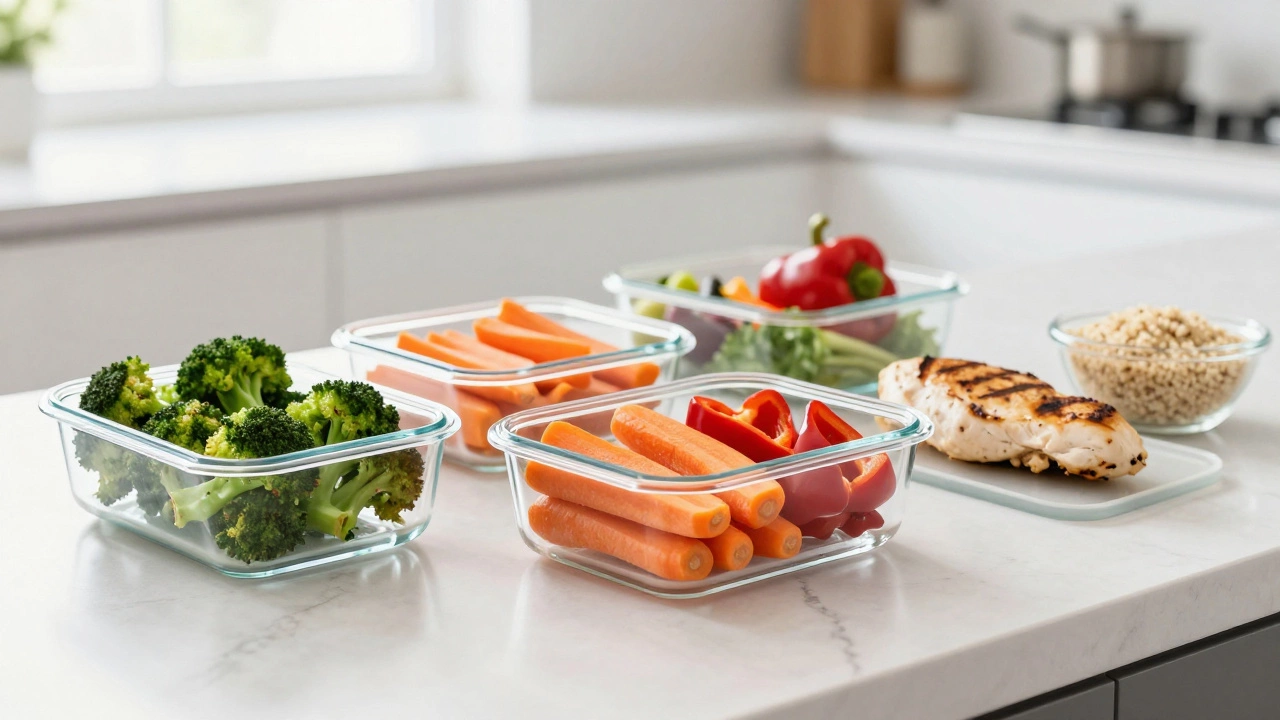
- Batch Vegetable Roasting: Don't steam your veggies. Toss a tray of broccoli, peppers, and carrots in olive oil and roast them at 200°C for 20 minutes. They taste better and last longer in the fridge.
- Smart Storage: Use glass containers. They keep food fresher and are safer for reheating in the microwave than plastic.
- Pre-cut Snacks: Chop your cucumbers and carrots on day one. If you have to peel a vegetable while you're craving chips, you'll probably give up and eat the chips.
The Science of Belly Fat and Your Plate
To get rid of visceral fat-the stubborn stuff around your midsection-you need more than just a calorie deficit. You need to manage your insulin levels. When you eat too many refined carbs, your body spikes insulin, which tells your system to store fat specifically in the belly area. Insulin is a hormone produced by the pancreas that allows your body to use sugar from carbohydrates for energy. By focusing your meal prep on low-glycemic foods, you keep this hormone stable, making it easier for your body to tap into stored fat for fuel.
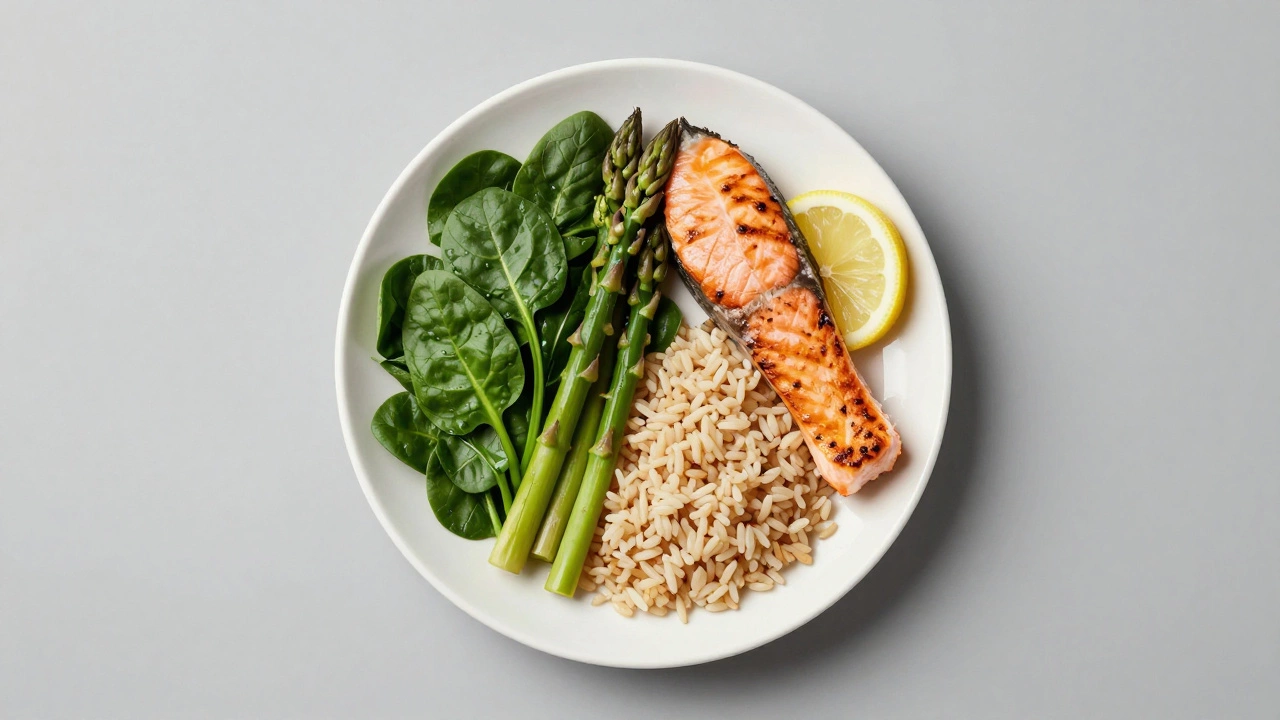
A great rule of thumb is the 'Plate Method.' Half your container should be non-starchy vegetables, one quarter should be lean protein, and the final quarter should be a complex carbohydrate or a healthy fat. This balance prevents the energy crashes that lead to late-night snacking.
Best Proteins for Fat Loss
Protein is your best friend when trying to lean out. It has a high thermic effect, meaning your body burns more calories digesting it than it does fats or carbs. Plus, it protects your muscle mass while you lose fat. If you lose muscle, your metabolism drops, making it harder to keep the weight off.
| Protein Source | Best Prep Method | Why it Works |
|---|---|---|
| Chicken Breast | Slow cooker or Oven Roast | Low calorie, extremely high protein |
| Salmon Fillets | Baked with lemon | Rich in Omega-3s which reduce inflammation |
| Tofu / Tempeh | Air-fried or Pan-seared | Plant-based, high fiber, low saturated fat |
| Hard Boiled Eggs | Boil in batches of 6-12 | Perfect portable snack, nutrient dense |
| Greek Yogurt | Portion into small tubs | High protein, probiotic for gut health |
Picking the Right Carbs and Fats
You don't need to go 'zero carb' to lose belly fat. In fact, doing that often leads to a binge-eating cycle. The trick is picking Complex Carbohydrates, which are carbs that digest slowly because they contain fiber, preventing sharp blood sugar spikes. Instead of white rice or pasta, prep batches of quinoa, sweet potatoes, or brown rice. If you're really trying to accelerate fat loss, swap some of your grains for cauliflower rice or zucchini noodles. For fats, stick to things that fight inflammation. Avocado is a powerhouse here, but since it browns quickly, don't prep it in advance. Add it fresh to your meal right before eating. Other great options include walnuts, almonds, and extra virgin olive oil.
Step-by-Step Meal Prep Workflow
If you're new to this, don't try to prep 21 meals at once. You'll get overwhelmed and quit by Wednesday. Start with a "hybrid prep"-prep your lunches and breakfasts, and just plan your dinners. Here is a realistic workflow to get you started with meal prep to lose belly fat:
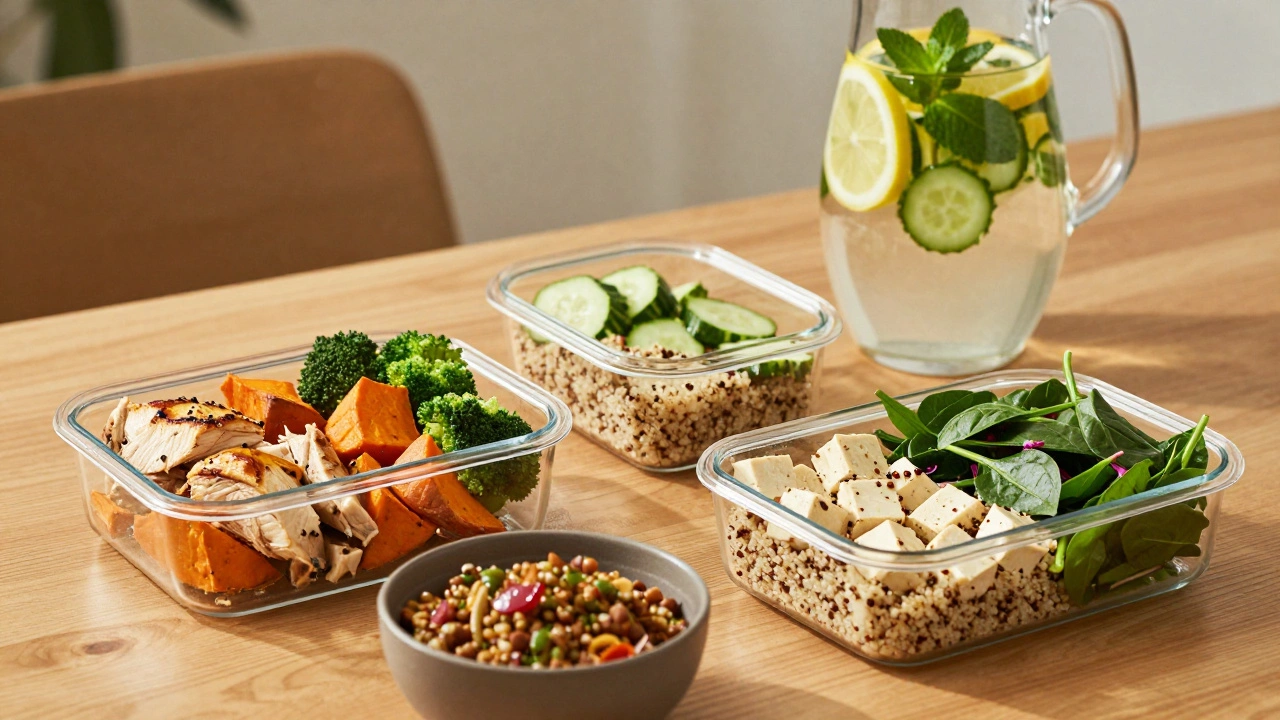
- Plan Your Menu (Friday): Pick two proteins, three vegetables, and two complex carbs. Keep it simple. For example: Chicken and Salmon, Broccoli and Spinach, Quinoa and Sweet Potato.
- Shop Smart (Saturday): Stick to the perimeter of the grocery store. That's where the fresh produce, meats, and dairy live. The middle aisles are where the processed traps are.
- The Big Cook (Sunday):
- Start the oven. Roast your vegetables and bake your proteins.
- While the oven is working, boil your eggs and cook your quinoa or rice on the stove.
- Wash and dry your salad greens. Pro tip: Put a piece of paper towel in the salad container to soak up moisture; it keeps the leaves crisp for days longer.
- Assembly (Sunday Afternoon): Divide everything into your containers. Don't add dressings yet-keep them in small separate pots to avoid soggy vegetables.
Common Pitfalls and How to Avoid Them
One big mistake people make is prepping the exact same meal for five days straight. By Wednesday, you'll be bored, and that's when the temptation to order takeout hits. To avoid this, use the "Mix and Match" strategy. Instead of making five identical bowls, prep a variety of components. One day you have chicken with quinoa and broccoli; the next, you have the same chicken but with a side of sweet potato and a fresh spinach salad.
Another trap is ignoring the "hidden calories." A healthy salad becomes a calorie bomb if you douse it in store-bought ranch dressing. Make your own simple vinaigrette using apple cider vinegar, olive oil, a pinch of salt, and pepper. It takes 30 seconds and saves you hundreds of calories over a week.
Finally, don't forget hydration. Often, when we think we're hungry for a snack, we're actually just dehydrated. Prep a large pitcher of water infused with cucumber, lemon, or mint. Having it visible in your fridge reminds you to drink up, which helps flush out toxins and keeps your metabolism humming.
Customizing Your Plan by Persona
Depending on your lifestyle, your prep strategy needs to change. A corporate executive with back-to-back meetings needs different meals than a stay-at-home parent or someone working a physical job.
- The Busy Professional: Focus on "cold preps." Mason jar salads and overnight oats are lifesavers when you don't have access to a microwave or only have 10 minutes to eat.
- The Gym Enthusiast: Increase the protein ratio. Incorporate more Whey Protein or plant-based protein shakes as a mid-afternoon bridge to prevent overeating at dinner.
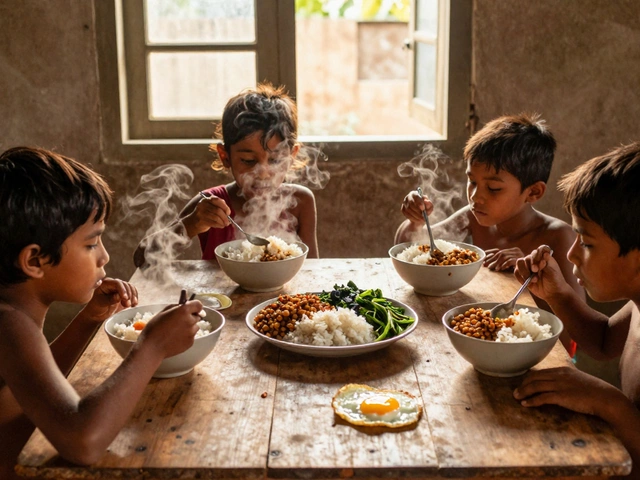
- The Budget Conscious: Focus on legumes. Lentils and chickpeas are incredibly cheap, shelf-stable, and packed with the fiber needed to reduce belly fat.
How long does prepped food actually stay fresh?
Generally, most cooked proteins and vegetables stay safe in the fridge for 3 to 4 days. If you prep on Sunday, your meals will be great through Thursday. For Friday's meals, it's better to freeze them or do a mini-prep on Wednesday evening to avoid food spoilage and ensure the best taste.
Can I lose belly fat if I only prep lunch?
Yes, but it depends on your other meals. Lunch is often the most dangerous meal because of fast-food options. By controlling your lunch, you remove a huge source of processed sugars and unhealthy fats. However, if you eat high-calorie, sugary breakfasts and dinners, the lunch prep won't be enough to create the calorie deficit needed for fat loss.
What are the best low-calorie snacks to prep?
Focus on a mix of fiber and protein. Great options include sliced bell peppers with hummus, Greek yogurt with a handful of blueberries, cottage cheese with pineapple, or a small handful of raw almonds. Avoid "low fat" processed snacks, as they often replace fat with extra sugar.
Do I need to count every single calorie when prepping?
Not necessarily. While tracking can help some people, using the 'Plate Method' (half veggies, quarter protein, quarter carb) is usually enough to keep calories in check. The goal is consistency and nutrient density. If you're eating whole foods and avoiding sugar, your body will naturally move toward a healthier weight.
Why is belly fat so hard to lose compared to other areas?
Belly fat, particularly visceral fat, is biologically different. It's often more influenced by stress (cortisol) and insulin resistance. This is why meal prep focusing on blood sugar stability is more effective than just 'eating less.' Combining your diet with good sleep and stress management is the secret to seeing the scale move in the midsection.