Chia Seed Nutrition Calculator
Calculate Your Daily Chia Seed Benefits
Find your optimal chia seed intake based on your nutrition goals
Why Chia Seeds?
- 11g fiber per 2 tbsp
- 4g protein per 2 tbsp
- 5g omega-3s per 2 tbsp
- Improves blood sugar control
- Long shelf life: 4+ years
1 tbsp chia seeds =
5g fiber (20% DV)
2g protein (4% DV)
2.5g omega-3s (22% DV)
Your Results
Energy & Focus Benefits
This serving will help maintain steady blood sugar levels, reducing energy crashes and supporting mental clarity throughout the day.
How This Compares
| Food | 2 tbsp | Fiber | Protein | Omega-3s |
|---|---|---|---|---|
| Chia Seeds | 2 tbsp | 11g | 4g | 5g |
| Flaxseeds | 2 tbsp | 4g | 2g | 3g |
| Blueberries | 1 cup | 3.6g | 1g | 0g |
There’s no magic bullet in nutrition. But if you had to pick one food that delivers the most bang for your bite, it’s not kale, not acai, not even blueberries. It’s chia seeds.
Why chia seeds? It’s not just a trend
Chia seeds have been eaten for thousands of years-by the Aztecs and Mayans who used them as fuel for runners and warriors. Today, science backs up what ancient cultures already knew. One ounce (about two tablespoons) of chia seeds gives you 11 grams of fiber, 4 grams of protein, 5 grams of omega-3s, and significant amounts of calcium, magnesium, and manganese-all for just 137 calories.
Compare that to other so-called superfoods. A cup of blueberries has 3.6 grams of fiber and 14% of your daily vitamin C. A tablespoon of flaxseed has similar omega-3s but no calcium. Chia seeds? They hit more nutritional targets in one small serving than most single foods.
They work inside your body
What makes chia seeds unique isn’t just what’s in them-it’s how they behave once you eat them. When soaked, they absorb up to 10 times their weight in water and form a gel. That gel slows digestion, which means your blood sugar rises gently instead of spiking. That’s huge for energy balance, appetite control, and long-term metabolic health.
Studies show people who eat chia seeds regularly report feeling fuller longer. In one 2017 trial with overweight adults, those who added chia to their diet lost more belly fat and improved their HDL (good) cholesterol than those who didn’t. Not because chia is a fat burner-it’s not-but because it helps regulate hunger hormones and reduces cravings.
They’re not fussy to use
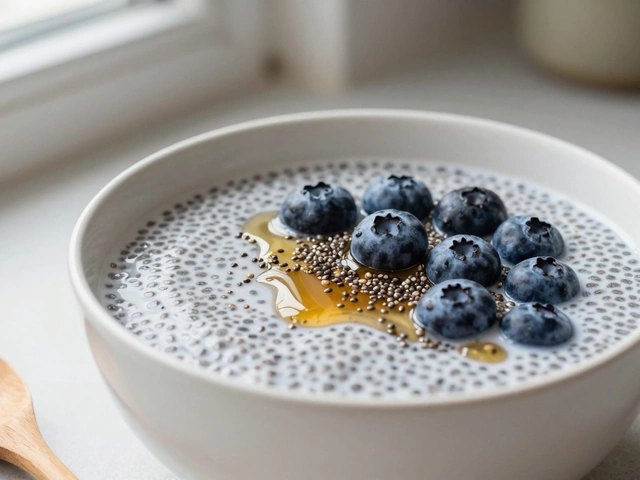
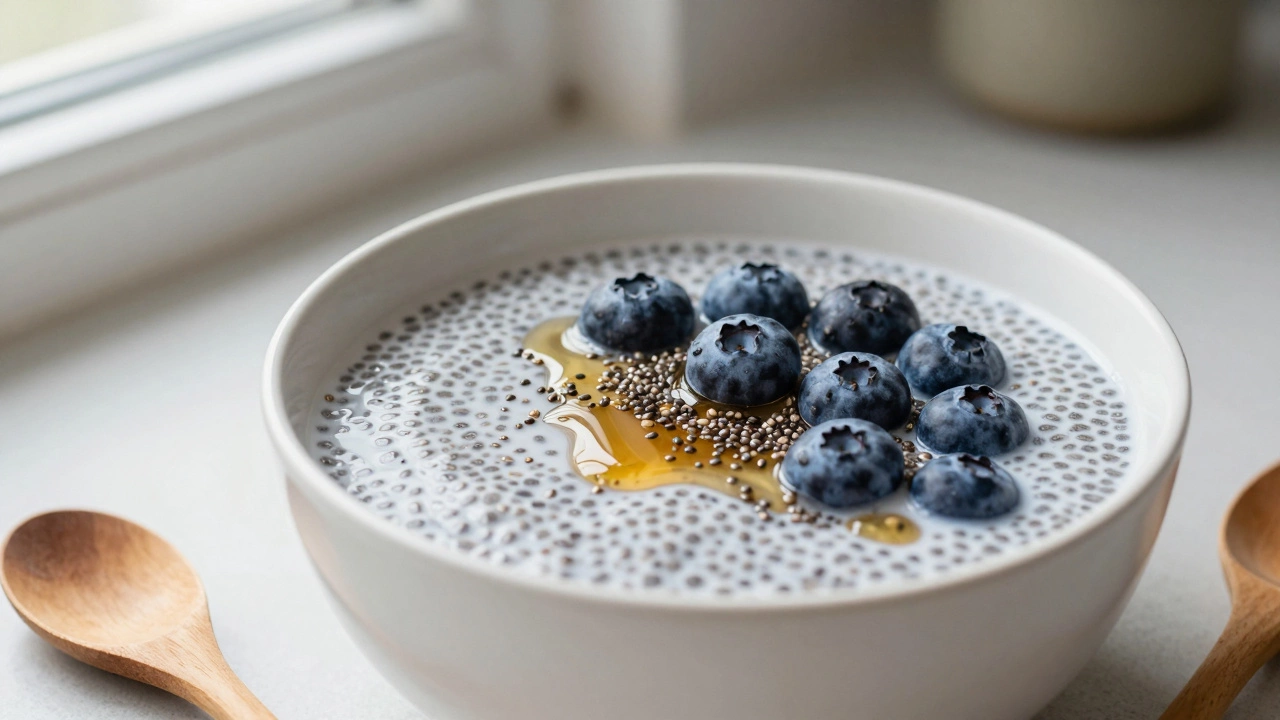
You don’t need a blender, a juicer, or a fancy kitchen. Chia seeds are neutral in flavor. Sprinkle them on yogurt. Stir them into oatmeal. Mix them into smoothies. Make chia pudding by soaking them overnight in almond milk and a touch of honey. They thicken naturally, so you get a creamy texture without dairy or added sugar.
They also work in baking. Replace one egg with a tablespoon of chia seeds mixed with three tablespoons of water. It’s a simple swap for vegan baking, and it adds fiber and omega-3s without changing the taste.
They’re affordable and shelf-stable
Let’s be real-some superfoods are expensive. Goji berries cost $25 a pound. Matcha powder runs $40 for 40 servings. Chia seeds? You can buy a 16-ounce bag for under $10 at most grocery stores. And they last for years without refrigeration. No oxidation, no rancidity. Just store them in a cool, dry place and they stay fresh.
That’s rare. Most nutrient-rich foods-like fresh greens or berries-wilt or spoil fast. Chia seeds don’t. You can buy them once, keep them in your pantry, and use them daily without waste.
They’re safe for almost everyone
Chia seeds are naturally gluten-free, nut-free, and vegan. They’re not a common allergen. Kids, pregnant women, older adults, and people with diabetes can all safely eat them. The only caution? Drink plenty of water when eating them dry. Their water-absorbing property can cause discomfort if you don’t hydrate properly.
That’s why most nutritionists recommend soaking them first. Even if you’re sprinkling them on a salad, a quick 10-minute soak in water or lemon juice makes them easier to digest and unlocks more nutrients.
What about other contenders?
People argue about spirulina, hemp seeds, moringa, or even kale. But here’s the problem: most of these are either too expensive, too hard to find, or don’t offer the same broad-spectrum nutrition.
Spirulina is packed with protein and iron, but it’s a supplement, not a food. You can’t just add it to your toast. Hemp seeds have good omega-3s but lack fiber. Kale is full of vitamins, but you’d need to eat a whole pound a day to match the fiber in two tablespoons of chia.
Chia seeds don’t win because they’re perfect in one area. They win because they’re strong in almost every area: fiber, protein, omega-3s, minerals, affordability, shelf life, and ease of use.
How to start using them today
You don’t need to overhaul your diet. Just add one simple habit:
- Grab a small jar. Add 2 tablespoons of chia seeds.
- Pour in 1 cup of water or unsweetened plant milk.
- Stir, cover, and leave in the fridge overnight.
- Grab it in the morning and eat it as-is, or top it with fruit, nuts, or a drizzle of honey.
That’s your superfood breakfast done. No cooking. No cleanup. Just nutrition that lasts until lunch.
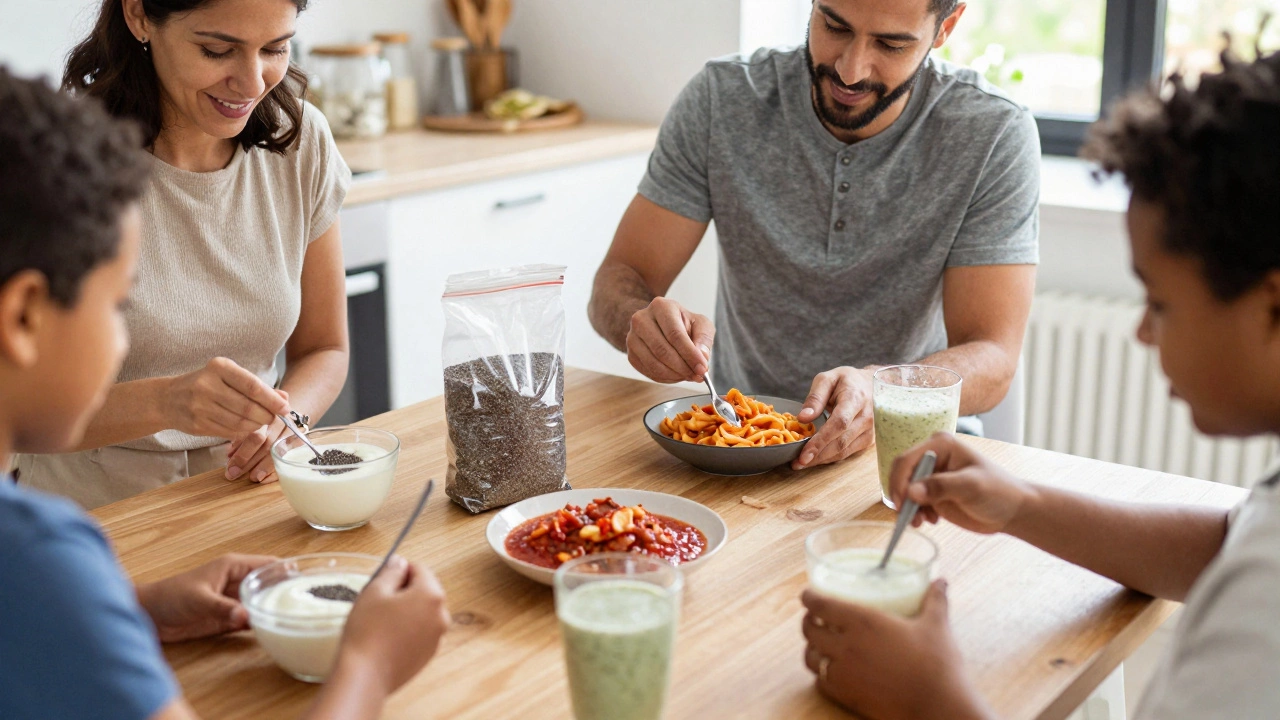
Or, if you’re not into pudding: toss a tablespoon into your lunchtime salad. Mix them into your protein shake. Add them to homemade granola bars. Even stir them into tomato sauce for pasta-it thickens the sauce and adds nutrients without changing the flavor.
Real results, not hype
I’ve seen people in Wellington switch to chia seeds after struggling with energy crashes and sugar cravings. One woman, 58, told me she stopped needing a mid-afternoon coffee because her blood sugar stayed steady. Another man, 32, lost 12 pounds over four months-not by dieting, but by replacing his morning bagel with chia pudding.
This isn’t a miracle. It’s simple biology. Fiber slows digestion. Omega-3s reduce inflammation. Protein keeps you full. Chia seeds give you all three in one tiny package.
There’s no single food that can fix poor eating habits. But if you’re looking for one ingredient to anchor a healthier diet-something that’s cheap, easy, safe, and powerful-chia seeds are the closest thing we have to a real #1 superfood.
Are chia seeds really better than flaxseeds?
Chia seeds have more fiber and calcium than flaxseeds, and they don’t need to be ground to release their nutrients. Flaxseeds must be ground to be digested properly, or they pass through your system unchanged. Chia seeds work whole. They also have a longer shelf life and a neutral taste, making them easier to use in more recipes.
Can kids eat chia seeds?
Yes. Chia seeds are safe for children. Start with a teaspoon mixed into yogurt or smoothies. Their high fiber content helps with digestion, and the omega-3s support brain development. Just make sure they drink enough water, especially if eating them dry.
Do chia seeds help with weight loss?
They don’t burn fat directly. But their fiber and protein content help you feel full longer, which reduces overall calorie intake. People who replace sugary snacks with chia pudding often eat less throughout the day. It’s not a magic trick-it’s better hunger control.
Can I eat chia seeds if I have thyroid issues?
Yes. Chia seeds contain no goitrogens-substances that interfere with thyroid function. In fact, their omega-3s may help reduce inflammation linked to autoimmune thyroid conditions like Hashimoto’s. Always talk to your doctor if you’re on thyroid medication, as fiber can affect absorption timing.
How much should I eat per day?
One to two tablespoons a day is ideal. More than that can cause bloating or digestive discomfort for some people, especially if you’re not used to high fiber. Start small and increase slowly while drinking plenty of water.
Do chia seeds have side effects?
Very few. The main risk is swallowing dry chia seeds without enough water-they can swell in your throat and cause choking. Always soak them first or mix them into liquids. Some people experience mild bloating at first, but that usually goes away as their gut adjusts to more fiber.