Quick Takeaways for Choosing a Brand
- Prioritize Clinical Backing: Look for brands that publish peer-reviewed studies rather than just 'consumer perception' surveys.
- Check the Ingredient List: Trust brands that list active concentrations (e.g., "2% Salicylic Acid") instead of hiding them in a "proprietary blend."
- Match the Brand to Your Goal: Some brands excel at anti-aging (retinoids), while others dominate in barrier repair (ceramides).
- Avoid "Clean Beauty" Traps: Trust science-backed formulations over vague marketing terms like "chemical-free" (which is scientifically impossible).
Defining the Gold Standard of Trust
When we talk about the most trusted skin care brand, we aren't talking about popularity. Popularity is about trends; trust is about consistency. A truly trustworthy brand operates on the principle of Evidence-Based Dermatology, the practice of using scientific evidence to guide the treatment of skin conditions. This means the brand doesn't just claim a product works; they prove it through double-blind studies or by using ingredients with decades of proven success.
For many, trust starts with CeraVe. It isn't the fanciest brand on the shelf, but it has earned a massive amount of trust because it focuses on Ceramides, lipid molecules that help form the skin's barrier and retain moisture. By keeping formulations simple and focusing on barrier repair, they've become a staple in both clinics and home bathrooms. When a brand focuses on a specific biological function-like repairing the skin barrier-rather than promising a "miracle glow," they usually earn more long-term trust.
The Role of Dermatologist Recommendations
Why do we trust a brand more if a doctor recommends it? Because dermatologists are trained to spot "filler" ingredients. A brand like La Roche-Posay has built an empire on this. They utilize Thermal Spring Water, water naturally rich in minerals like selenium, known for its soothing properties, which is backed by thousands of clinical trials. When a brand is formulated for sensitive skin, it generally has to be more rigorous with its testing, which naturally increases the trust level for the average user.
However, not every "doctor-led" brand is equal. There is a big difference between a brand that is "developed by doctors" (which can be a marketing phrase) and one that is "medical grade." Medical grade skincare often contains higher concentrations of active ingredients that require professional guidance, such as SkinCeuticals. Their C E Ferulic serum is widely considered a benchmark for Vitamin C, a powerful antioxidant that brightens skin and protects against UV damage because they hold a patent on the specific stabilization process that keeps the ingredient from oxidizing.
Comparing Trust Tiers: Pharmacy vs. Luxury vs. Clinical
Not every skin type needs the same kind of trust. If you have a severe case of acne, you need clinical trust. If you just want a hydrating moisturizer, pharmacy trust is usually sufficient. Let's break down how these tiers differ in their approach to reliability.
| Segment | Trust Driver | Typical Focus | Best For |
|---|---|---|---|
| Pharmacy (e.g., Neutrogena) | Accessibility & Stability | Basic hydration/cleansing | Low-risk, daily maintenance |
| Clinical (e.g., Paula's Choice) | Ingredient Transparency | Active acids (BHA/AHA) | Targeting specific skin issues |
| Luxury (e.g., SkinCeuticals) | High Potency/Research | Advanced antioxidants | Anti-aging and professional repair |
The "Clean Beauty" Paradox
Lately, there's been a push toward "clean" or "natural" skincare. While the intention-avoiding harmful toxins-is good, the lack of regulation around these terms can actually erode trust. When a brand says they are "chemical-free," they are lying. Water is a chemical. Aloe vera is a chemical. Trustworthy brands don't use scare tactics to sell products; instead, they provide Safety Data Sheets, documents that provide information on the properties of chemical products and how they can be safely handled or clear lists of ingredients based on the INCI, International Nomenclature Cosmetic Ingredient system, which standardizes ingredient names globally.
If you're looking for a brand that balances "clean" goals with scientific trust, look for those that use third-party certifications. For example, a brand that is "EWG Verified" or "Cosmos Certified" has had its ingredients vetted by an outside organization. This removes the brand's own bias from the equation and gives you a concrete metric to trust.
How to Spot a Trustworthy Brand Yourself
You don't need a degree in chemistry to figure out if a brand is honest. You just need to know where to look. First, check for "fragrance" on the label. While not always bad, "fragrance" or "parfum" is often a blanket term used to hide dozens of different chemicals that can irritate the skin. A brand that is honest about its scent profile or offers fragrance-free versions for sensitive skin is generally more trustworthy.
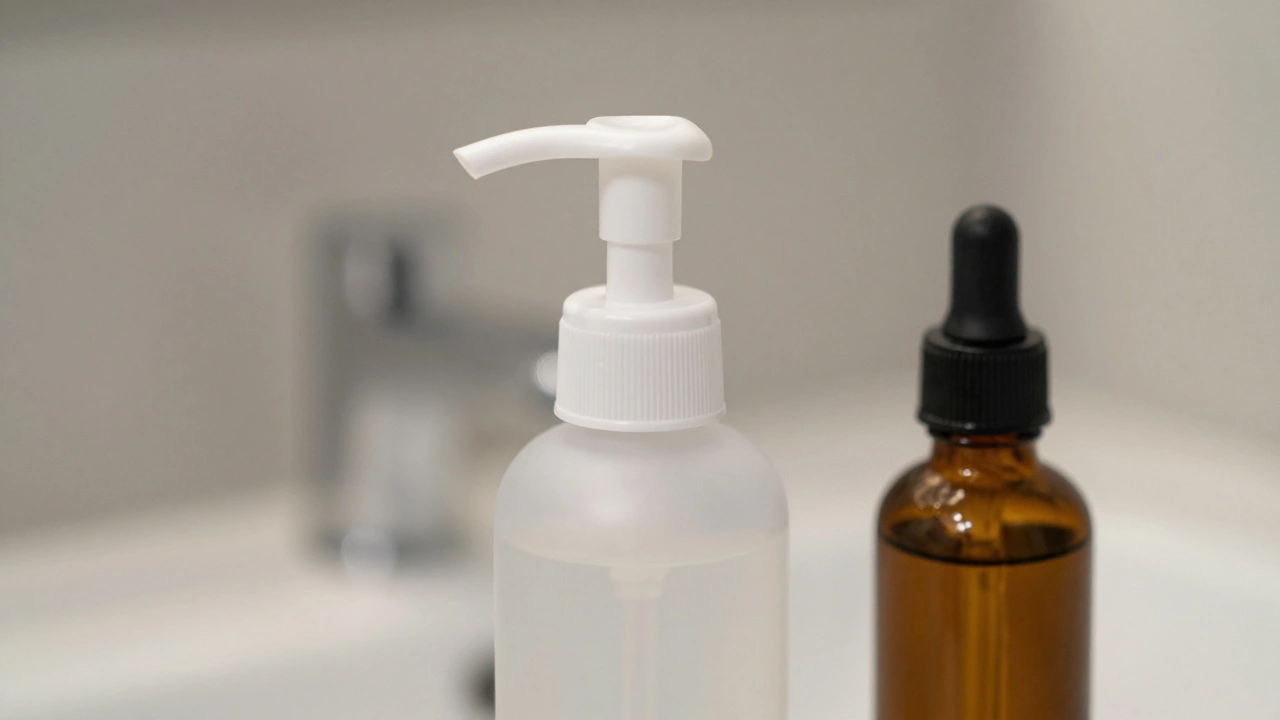
Second, look at the packaging. Is the Vitamin C or Retinol in a clear glass bottle? If so, be skeptical. Retinoids, derivatives of Vitamin A used to treat acne and aging and Vitamin C are highly unstable and degrade when exposed to light and air. A brand that uses opaque, airless pumps shows they actually understand the chemistry of their ingredients. They are protecting the product's efficacy, which is a sign of a brand that cares more about results than a "pretty" bottle.
Managing Your Expectations
No single brand is the "most trusted" for everyone because skin is biologically unique. What works for someone with oily skin in a humid climate will fail for someone with dry skin in a cold one. Trust should be built on a foundation of a a few key pillars: an effective cleanser, a reliable moisturizer, and a broad-spectrum SPF, Sun Protection Factor, a measure of how well a sunscreen protects skin from UVB rays. If a brand can provide these three basics without causing irritation, they've earned a spot in your routine.
Avoid brands that promise "instant" results. Skin cells take about 28 to 40 days to turn over. Any brand claiming you'll see a total transformation in 24 hours is selling a fantasy, not a formula. Trust the brands that tell you it will take 6 to 12 weeks of consistent use to see a real difference. That honesty is the biggest indicator of a brand you can rely on.
Is a more expensive brand always more trustworthy?
Not at all. While luxury brands often invest more in research and development, you're often paying for the branding, packaging, and prestige. Many pharmacy brands use the exact same active ingredients (like Hyaluronic Acid or Niacinamide) as luxury brands but at a fraction of the cost. Trust the ingredient list, not the price tag.
What are the red flags when researching a skincare brand?
Red flags include: using vague terms like "proprietary blend" to hide ingredients, claiming products are "chemical-free," promising overnight results, and relying solely on celebrity endorsements rather than clinical data or dermatologist testimonials.
How can I tell if a brand is actually "dermatologist recommended"?
Check if the brand publishes actual studies or if they just have a quote from one doctor. Truly recommended brands are often sold in medical offices or are frequently cited in dermatology journals. If the brand lists a medical advisory board with real doctors' names and credentials, that's a strong signal of trust.
Are "natural" brands safer than scientific ones?
Not necessarily. "Natural" doesn't always mean safe-poison ivy is natural, but you wouldn't put it on your face. Scientific brands use stabilized ingredients that are tested for purity and potency. Many trust the "scientific" approach because it ensures a consistent dose of the active ingredient in every single drop.
What is the best way to test a new brand without ruining my skin?
Perform a patch test. Apply a small amount of the product to your inner forearm or behind your ear for 48 hours. If there's no redness or itching, it's generally safe to move to your face. Always introduce one new product at a time so you know exactly which one caused a reaction if something goes wrong.
Next Steps for Your Skin Journey
If you're feeling overwhelmed, start by identifying your primary skin goal. If you're fighting breakouts, look into brands that focus on Salicylic Acid and Niacinamide. If you're worried about fine lines, look for brands specializing in Retinoids and Peptides. Once you have your goal, pick one clinically backed brand and stick with it for at least two full skin cycles (about 8 weeks). If you experience persistent irritation, stop immediately and consult a board-certified dermatologist to identify your specific triggers.