Work-Life Balance Calculator
How much time do you actually have for yourself after work? Calculate your personal time with this tool based on the latest research.
Your Current Work Hours
Most people feel like they’re running on empty. You finish work, but your mind is still in meetings. You’re home, but your phone keeps buzzing with emails. Weekends feel like just another day to catch up. If this sounds familiar, you’re not broken-you’re just stuck in a system that never asked if you wanted to keep going at this pace.
Start by defining what balance actually means to you
Work-life balance isn’t about splitting your day 50/50. That’s a myth. It’s about having control over when and how you show up for work, and when you show up for yourself. One person’s balance might mean leaving the office at 5 p.m. every day. Another’s might mean working four long days and taking three days off. The key isn’t the schedule-it’s the absence of guilt.
Try this: Write down what you’d do if you had 10 extra hours a week. Not what you should do. What you’d actually enjoy. Maybe it’s reading before bed. Walking in the park. Cooking without rushing. Calling your mom. That’s your baseline. Anything that takes away from that isn’t balance-it’s erosion.
Set hard boundaries, even if your boss says it’s optional
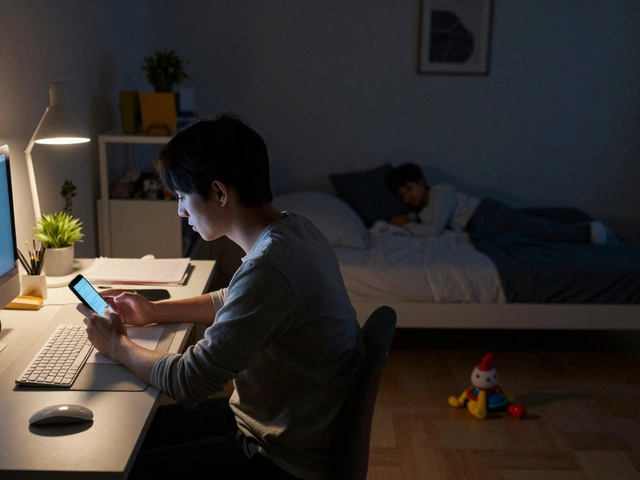
Remote work made boundaries blurry. Your laptop is on the kitchen table. Your Slack pings at 9 p.m. Your manager says, “We trust you,” but the unspoken rule is: respond fast, or you’re not committed.
Here’s what actually works: Turn off notifications after hours. Set an auto-responder: “I’m offline until [time]. For urgent issues, call [number].” Then stick to it. No exceptions. Not even for “just one quick reply.”
Studies from the University of Auckland in 2024 found that employees who turned off work apps after 7 p.m. reported 42% less stress and 31% higher job satisfaction-even if they worked the same number of hours. The difference wasn’t in the workload. It was in the mental separation.
Protect your mornings and evenings like they’re sacred
Your morning isn’t a race to check emails. Your evening isn’t a time to scroll through LinkedIn while eating cold pasta.
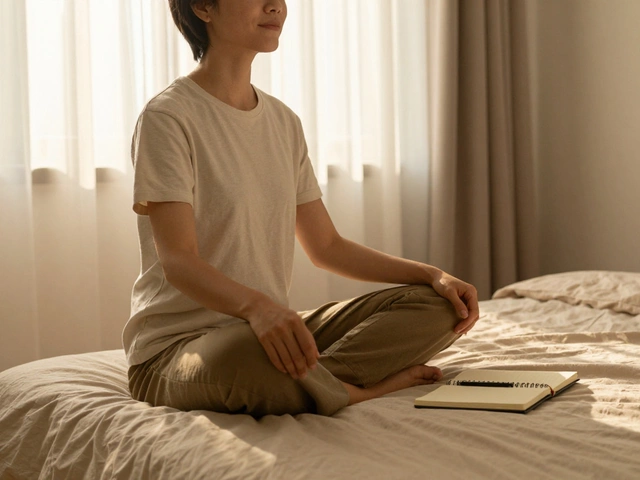
Start your day without screens for at least 20 minutes. Drink water. Stretch. Sit in silence. Look out the window. This isn’t luxury-it’s calibration. It tells your brain the day starts on your terms.
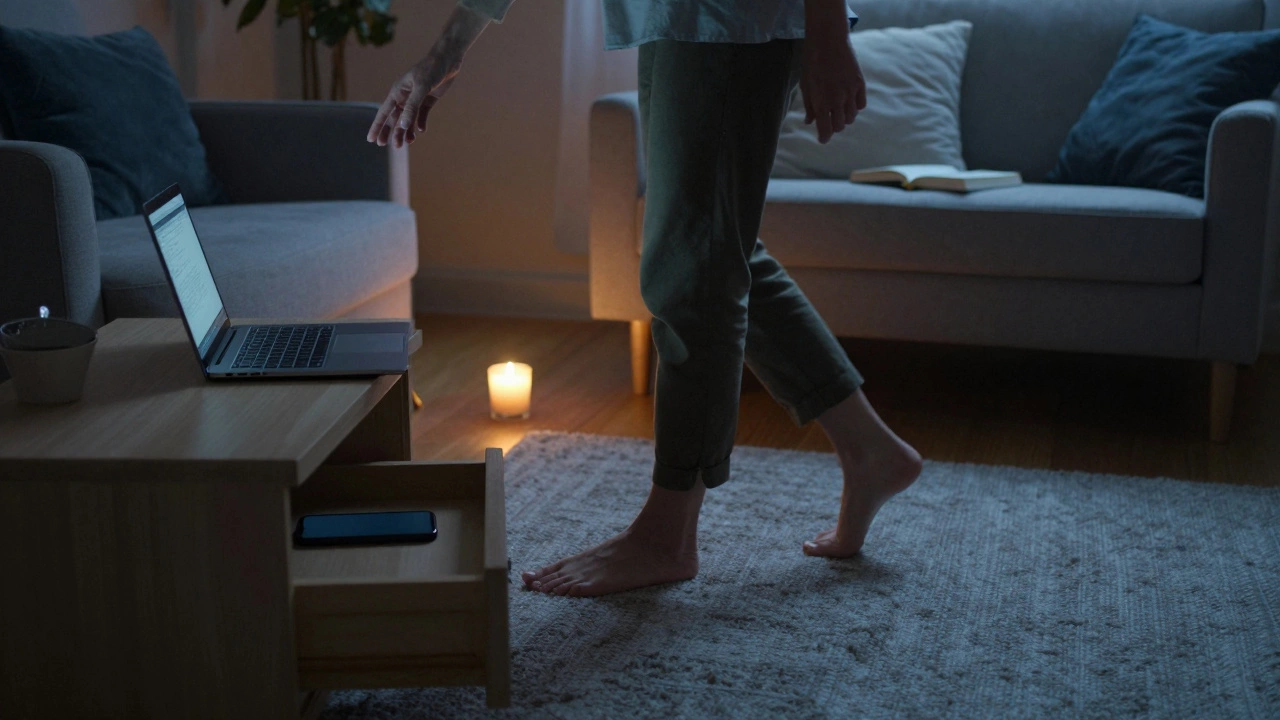
End your day with a ritual. Walk around the block. Write three things you’re proud of. Light a candle. Put your phone in another room. These small acts signal to your nervous system: work is done. You’re safe now.
Stop glorifying busyness
Saying “I’m so busy” used to be a badge of honor. Now it’s a red flag. It means you’ve lost control. You’re reacting, not choosing.
Next time someone asks how you are, try this: “I’m doing well. I’ve been protecting my time.” Or, “I’m taking Fridays off this month to recharge.” Say it calmly. No apology. No justification.
People will react. Some will admire you. Others will feel uncomfortable. That’s okay. You’re not asking for permission to live. You’re reclaiming your right to rest.
Use technology to protect you, not trap you
Apps can help-but only if you use them right.
- Use Focus Mode on your phone to block work apps after hours.
- Try Timeular or RescueTime to see where your hours actually go. You might be shocked.
- Set up email filters that auto-archive non-urgent messages until tomorrow.
- Use Slack status to say “Offline until 8 a.m.” instead of leaving it on “Available.”
Technology isn’t the enemy. The enemy is letting it run your life without you noticing.
Learn to say no-without feeling guilty
You can’t say yes to everything and still have balance. It’s math, not morality.
When someone asks for your time, pause. Ask yourself: “Does this align with what I’ve defined as important?” If not, say: “I’d love to help, but I’m at capacity right now.”
That’s it. No over-explaining. No “I’m sorry, but…” Just a clear, kind boundary.
People will respect you more for it. Not less.
Take real breaks-not fake ones
Scrolling Instagram while eating lunch isn’t a break. Watching YouTube videos after dinner isn’t rest. These are distractions, not recovery.
Real rest looks like:
- Walking without headphones
- Sitting quietly with a cup of tea
- Reading a book that has nothing to do with work
- Talking to someone without checking your phone
Rest isn’t passive. It’s active recharging. And it’s non-negotiable if you want to avoid burnout.

Build a support system that actually supports you
Balance isn’t a solo mission. You need people who get it.
Find one friend, partner, or colleague who also wants better boundaries. Check in weekly. Share what worked. Share what didn’t. Celebrate small wins. “I didn’t answer an email after 7 p.m. this week.” That’s a victory.
And if your workplace culture rewards overwork? Talk to HR. Bring data. Cite the 2024 New Zealand Workplace Wellbeing Survey, which showed teams with clear boundaries had 27% lower turnover. Frame it as a productivity issue-not a personal one.
It’s not about working less. It’s about working differently.
You don’t need to quit your job. You don’t need to move to a cabin in the woods. You just need to stop letting your job define your worth.
Start small. Pick one thing from this list. Do it for a week. Notice how you feel. Then pick another. Slowly, you’ll rebuild your days around what matters-not what demands your attention.
Work is part of life. Not the whole thing. And you deserve more than just surviving it.
What’s the fastest way to improve work-life balance?
The fastest fix is to turn off work notifications after hours. Most stress comes from constant availability, not workload. Within a week of setting boundaries, people report feeling calmer, more focused, and less drained-even if they’re working the same hours.
Can remote workers really achieve work-life balance?
Yes-but it takes more discipline than office workers. Without physical separation, your home becomes your office 24/7. The solution? Create physical and time-based boundaries. Designate a workspace, even if it’s just a corner of the kitchen table. Stick to set start and end times. And never work from bed-it blurs the line between rest and responsibility.
What if my boss expects me to be always available?
Set clear expectations early. Use your calendar to block personal time. Share your availability: “I’m available 9 a.m. to 5 p.m., Monday to Friday.” If they push back, ask: “What’s the most urgent thing I should focus on?” Often, they’ll realize most requests aren’t emergencies. If the culture stays toxic, consider whether this job is worth your health.
How do I know if I’m burning out?
Burnout shows up as chronic exhaustion, cynicism, and feeling ineffective-even when you’re working hard. You might feel detached from your work, irritable with coworkers, or physically tired all the time. If you’ve felt this way for more than two weeks, it’s not stress-it’s burnout. Talk to your doctor or an employee assistance program. Take time off. Rest isn’t optional at this point.
Should I quit my job to fix my work-life balance?
Not unless you’ve tried everything else. Many people quit thinking the problem is the job, but it’s often the habits around it. Try setting boundaries, changing routines, and talking to HR first. If the culture still doesn’t change, then it’s time to look elsewhere. But don’t run from your life-rebuild it.
What comes next?
Improving work-life balance isn’t a one-time fix. It’s a daily practice. Some days you’ll nail it. Other days, you’ll check email at midnight. That’s okay. Progress isn’t perfect. It’s persistent.
Start tomorrow. Turn off your phone an hour earlier. Take a walk without listening to a podcast. Say no to one thing that doesn’t serve you. Small steps, repeated, become a new life.