Best Self-Help Books: Real Tools for Real Change
When you pick up a best self-help book, a practical guide designed to help you improve your mindset, habits, or daily life. Also known as personal development books, they’re not about motivation speeches—they’re about systems you can use tomorrow. Too many books promise transformation but skip the how. The real ones give you steps, not slogans.
What makes a self-help book stick? It connects to your life. If you’re trying to build calm, you’ll find value in books that explain mindfulness, the practice of paying attention to the present moment without judgment in simple, doable ways—not just telling you to "be present." If you’re stuck in bad habits, the best guides show you how habit formation, the process of turning actions into automatic routines through repetition and cues actually works in the brain. These aren’t abstract ideas. They’re patterns you can track, tweak, and use.
You don’t need to read 50 books to grow. You need one that matches your current struggle. That’s why the articles here cover real experiences: how five minutes of mindfulness cuts stress, how decluttering your space changes your mindset, how eating well on a budget gives you more control over your day. These aren’t just tips—they’re small wins that add up. The books that work best are the ones that feel like advice from someone who’s been there, not a guru on a pedestal.
Some of the most powerful lessons come from unexpected places. A book on gardening might teach you patience. A guide on sustainable fashion might show you how to make choices that align with your values. Even a simple routine for home workouts builds discipline you can use everywhere. The best self-help books don’t ask you to change who you are—they help you remove the noise so you can live like the person you already are.
What follows isn’t a ranked list. It’s a collection of articles that point to the real tools behind lasting change—tools you can start using today, no matter where you are in your journey.
What Is One Book Everyone Should Read? The Book That Changes How You Think
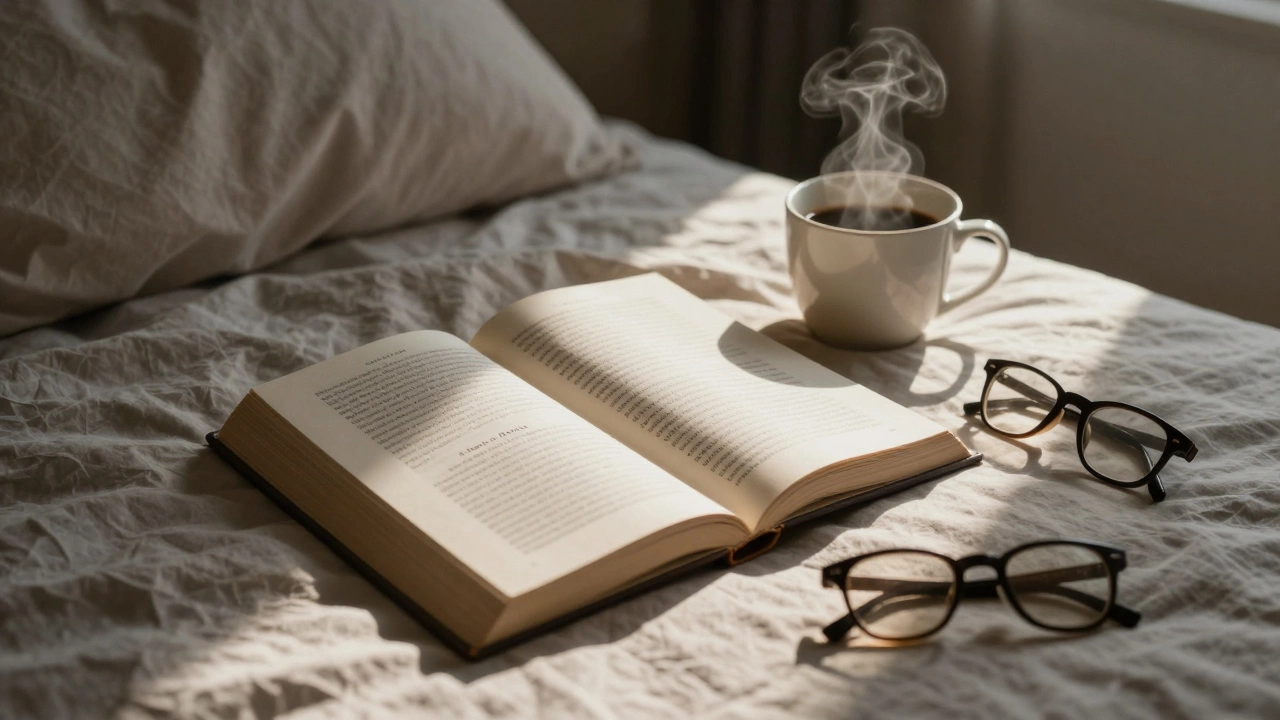
Atomic Habits by James Clear is the one book everyone should read because it turns small daily actions into lasting change through science-backed systems, not motivation. It’s practical, simple, and works for anyone.
Is It Good to Read Self-Help Books Before Bed? What Science Says
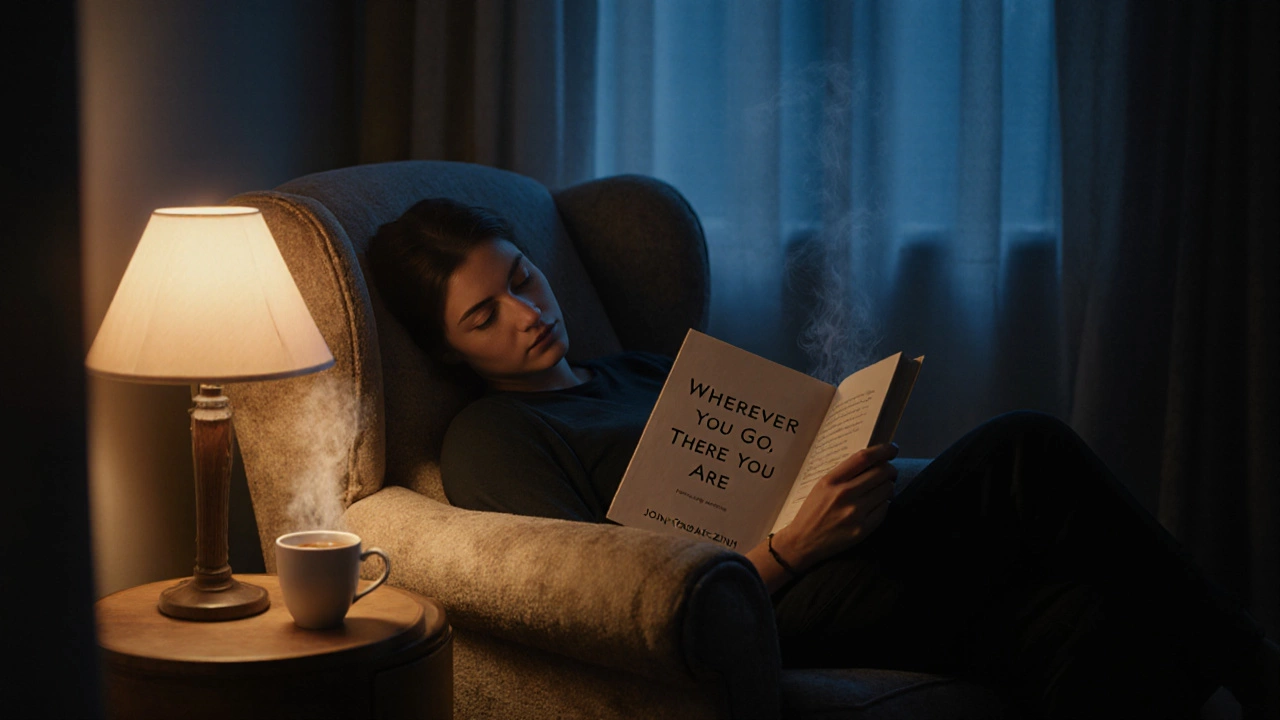
Reading self-help books before bed can help you relax-or keep you awake. Learn which books calm your mind, which ones overstimulate it, and how to use bedtime reading to actually improve sleep.
Categories
RECENT POSTS
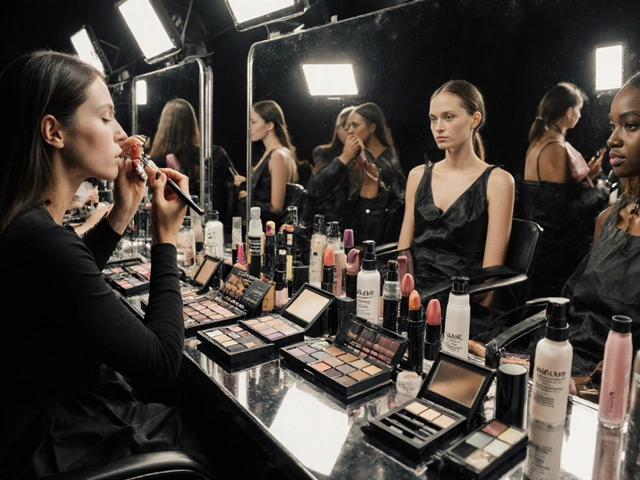
Top Makeup Brands Preferred by Professional Artists
Discover the top cosmetics brands that professional makeup artists trust, how they choose products, budget tips, and upcoming 2025 trends.

Can You Use Your US Cell Phone in London? Guide to Connecting Seamlessly Abroad
Curious if your US phone works in London? Learn about roaming, SIM cards, phone compatibility, and data tips to avoid headaches and huge bills abroad.

Can You Plant Tomatoes and Peppers Together? Pros, Cons, and Tips for Better Harvests
Wondering if tomatoes and peppers can share a garden bed? Discover the science, pros, cons, and proven tips to make these popular veggies thrive side by side.

Discover the Most Magical Places to Visit in the UK
Journey through the UK's most magical sites, from ancient castles to misty highlands. Find enchanting spots, travel tips, and inspiring stories for your next UK adventure.

What Order Should Skincare Be In? The Simple Routine That Actually Works
Learn the correct order for your morning and night skincare routine to get real results. Skip the guesswork and build a simple, effective routine that works for your skin type.