Biodegradable Bags: What They Are, How They Work, and What Really Matters
When you pick up a biodegradable bag, a type of plastic alternative designed to break down naturally through microbial action. Also known as compostable bags, it’s meant to reduce the long-term harm of traditional plastic—but not all of them deliver on that promise. Many brands slap ‘biodegradable’ on packaging and call it sustainable, but the truth is messier. Real biodegradable bags need specific conditions to break down: heat, moisture, and microbes found in industrial composting facilities. If you toss one in your backyard bin or the regular trash, it might sit there for years, just like regular plastic.
The real issue isn’t just the bag itself—it’s the whole system around it. compostable bags, a subset of biodegradable bags certified to meet strict standards like EN 13432, are designed to turn into nutrient-rich soil under controlled conditions. But if your city doesn’t collect compostables, or if the bag is mixed with non-compostable waste, it contaminates the whole batch. Then there’s sustainable packaging, a broader category that includes reusable containers, paper-based materials, and plant-based plastics made from corn or sugarcane. These options often have lower environmental footprints over their full life cycle, even if they don’t claim to biodegrade.
What you see on store shelves isn’t always what you get. A bag labeled ‘biodegradable’ might contain additives that make it fragment into microplastics instead of breaking down safely. That’s not sustainability—it’s greenwashing. The best way to tell the difference? Look for third-party certifications like BPI or OK Compost. These labels mean the product has been tested and verified. And even then, the most sustainable choice isn’t always a bag at all—it’s bringing your own reusable tote. But if you need a disposable option, knowing what to look for makes all the difference.
You’ll find posts here that cut through the noise. Some show you how to spot real compostable bags versus fake ones. Others break down what happens to these bags after you throw them away. There are guides on choosing packaging that actually helps the planet, not just looks like it does. And you’ll see how people are using alternatives in real life—from farmers markets to grocery runs to zero-waste households. This isn’t about perfection. It’s about making smarter choices with the tools you have right now.
Is a paper bag really eco-friendly? The truth behind the buzz
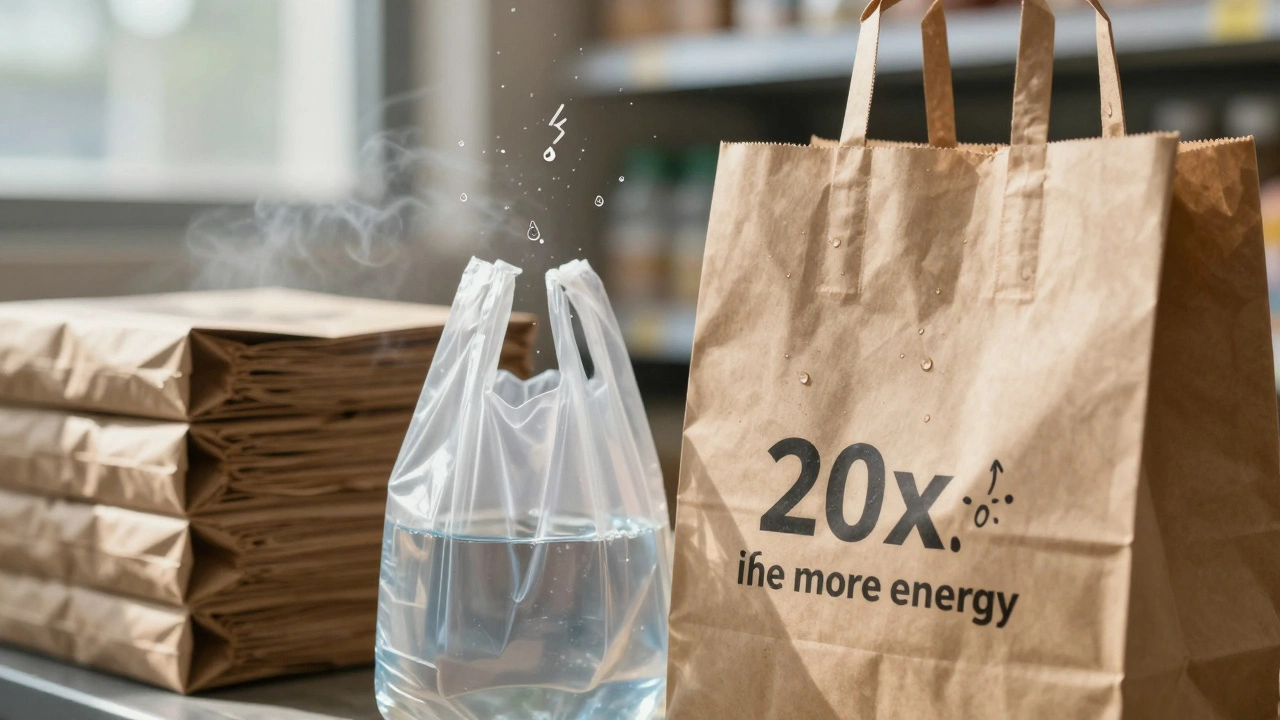
Paper bags aren't automatically eco-friendly. They use more water and energy than plastic, often end up in landfills, and need to be reused many times to be better. The real solution? Bring your own reusable bag - consistently.
Categories
RECENT POSTS
Do Millennials Like Minimalism? The Real Story Behind the Trend
Millennials aren't chasing minimalism for looks-they're chasing peace. Learn why this generation is quietly ditching clutter for space, time, and financial freedom-not because it's trendy, but because it works.
What Is the Best Type of Reading Before Bed for Better Sleep?
The best reading before bed isn't about self-help or thrillers-it's about books that calm your mind, not charge it. Discover the quiet genres and titles that help you fall asleep faster and sleep deeper.
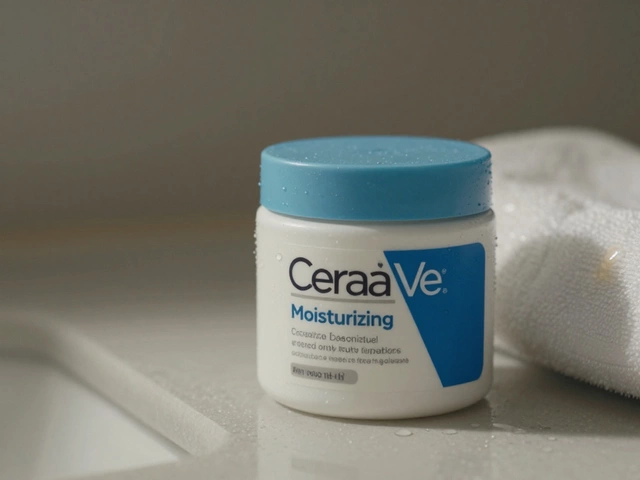
Why is CeraVe so popular? The science behind the dermatologist-recommended skincare brand
CeraVe's popularity comes from its dermatologist-developed formula that repairs the skin barrier with ceramides and hyaluronic acid-no fragrances, no hype, just results. It's trusted for sensitive skin, eczema, and acne-prone skin worldwide.
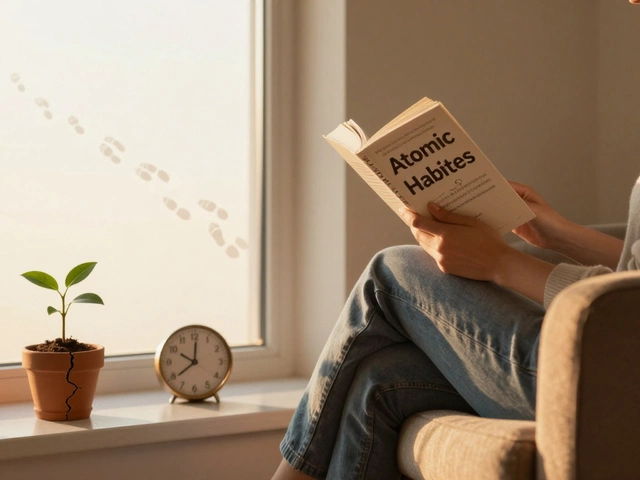
Best Life-Changing Books That Actually Work
Discover the best life-changing books that actually transform habits, mindset, and purpose. No fluff-just proven books that shift how you think and live.

Is Traditional Home Decor Making a Comeback? Vintage Styles & Timeless Charm for Modern Homes
Is traditional home decor back in style? Explore how vintage charm, classic patterns, and timeless furniture are transforming modern interiors and winning hearts again.