Coffee grounds for plants: How to use them right
When you dump your coffee grounds, used coffee residue that’s rich in nitrogen and other minerals. Also known as coffee waste, it’s often thrown away—but it’s actually a powerful, free resource for your garden. Many people think tossing coffee grounds into the soil is enough, but that’s where things go wrong. Used right, they improve soil structure, attract earthworms, and slowly feed plants. Used wrong, they can form a dense mat that blocks water, attract mold, or even harm seedlings. The key isn’t just using them—it’s understanding how they work with your plants and soil.
Compost, a mix of organic matter broken down by microbes is the natural home for coffee grounds. Mixing them into a compost pile balances their high nitrogen with carbon-rich materials like leaves or paper. This turns waste into nutrient-rich soil conditioner. But if you’re skipping compost and adding grounds straight to pots or garden beds, you need to be careful. A thin layer—no more than half an inch—is fine. Too much, especially around young plants, can suffocate roots. Coffee grounds also slightly lower soil pH, which helps acid-loving plants like blueberries or azaleas, but can hurt vegetables like tomatoes if overused. And while some swear grounds repel slugs and ants, there’s little solid proof. Don’t rely on them as pest control. Instead, treat them like a slow-release organic fertilizer, a natural source of nutrients that feeds plants over time without chemicals. They’re not a magic fix, but they’re a smart way to recycle and reduce waste.
Think of coffee grounds as one tool in your gardening toolkit—not the whole box. They work best when paired with other practices like mulching, proper watering, and choosing the right soil. You’ll find plenty of real examples in the posts below: from lazy gardeners who use them to cut back on store-bought feeds, to people testing them on tomatoes and houseplants with surprising results. Some swear by them. Others warn against overuse. The truth? It’s not about whether coffee grounds work—it’s about how you use them. Below, you’ll see exactly how people are applying them, what plants respond best, and what mistakes to avoid. No fluff. Just what actually happens when you put your morning brew to work in the garden.
Does Coffee Help Plants Grow? The Real Science Behind Coffee Grounds in the Garden
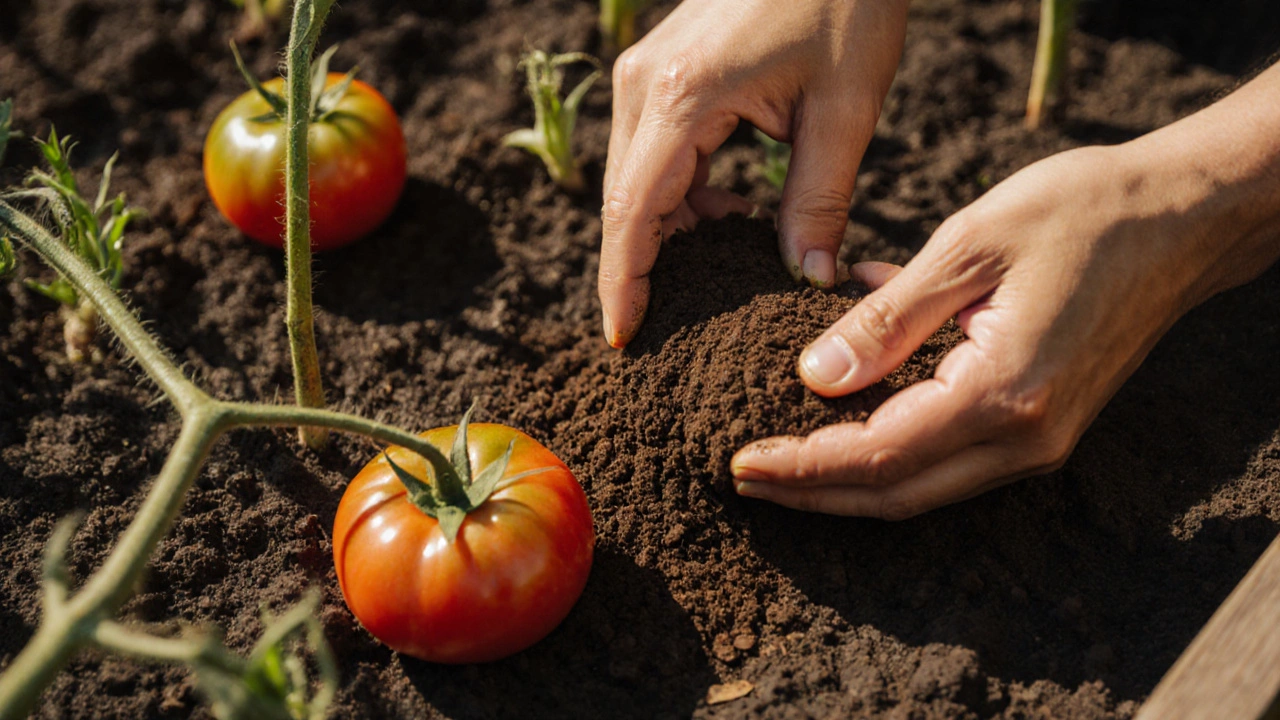
Coffee grounds can help some plants grow by improving soil structure and adding small amounts of nitrogen-but only when used correctly. Learn which plants benefit, which ones suffer, and how to avoid common mistakes.
Categories
RECENT POSTS
Does Coffee Help Plants Grow? The Real Science Behind Coffee Grounds in the Garden
Coffee grounds can help some plants grow by improving soil structure and adding small amounts of nitrogen-but only when used correctly. Learn which plants benefit, which ones suffer, and how to avoid common mistakes.

How Long Does It Realistically Take to Get in Shape at Home
Realistic timeline for getting in shape at home with basic equipment - no gym needed. See how long it takes to build strength, lose fat, and feel confident with consistent workouts.

What Do Minimalists Do With Gifts? Practical Ways to Receive Without Clutter
Minimalists don't reject gifts-they reframe them. Learn how to receive thoughtfully, let go guilt-free, and turn unwanted presents into meaningful connections without adding clutter to your life.

Rule 406 Explained: Everything You Need to Know About Evidence of Habit or Routine Practice
Learn exactly what Rule 406 means in law, why it's important in court, and how it affects cases involving habits and routine practice. Clear, direct, and practical.

What Is the Snack Acronym for Mindfulness? Here’s the Simple Trick Used by Therapists
The S.N.A.C.K. acronym is a simple, science-backed mindfulness tool that helps you pause, notice, and respond - not react - in stressful moments. No meditation required.