Color Psychology: How Colors Influence Mood, Behavior, and Choices
When you walk into a room painted deep blue, do you feel calmer? Or does a bright red shirt make you feel more confident? That’s not coincidence—it’s color psychology, the study of how hues affect human behavior, emotions, and decision-making. Also known as color theory in practice, it’s not just for artists and designers—it’s in your grocery store, your phone app, and even your wardrobe choices. This isn’t about superstition. Real research shows that color can lower stress, speed up reactions, or even make you eat more—or less.
Think about color and mood, how specific shades trigger emotional responses. Blue often brings calm—it’s why hospitals and spas use it. Red increases heart rate and urgency, which is why it’s used in clearance sales and warning signs. Yellow boosts energy and optimism, but too much can cause anxiety. These aren’t guesses—they’re patterns confirmed in studies across cultures. And it’s not just walls and clothes. The color of your phone’s app icons, the packaging of your coffee, even the font color on your screen—all of it quietly shapes how you feel and what you do.
Then there’s color in design, the intentional use of hue to guide attention, trust, and action. Brands spend millions getting this right. Think of Facebook’s blue making you feel safe sharing, or Spotify’s green making you feel energized to play music. Even in your home, choosing the right color for your bedroom can improve sleep. For those who care about sustainability, color plays a role too—neutral tones often signal eco-friendliness, while bold colors can imply fast fashion. And in fashion, your personal color palette isn’t just about looking good—it’s about feeling aligned with who you are.
You don’t need a degree in psychology to use this. Start small: switch your bedroom light to warm white if you’re struggling to sleep. Try wearing a green shirt on days you need calm focus. Notice how a yellow kitchen makes you feel more awake in the morning. These aren’t magic tricks—they’re subtle tools built into how your brain works. The posts below show you how color psychology shows up in real life: from fashion choices and skincare branding to how you organize your home and even what you eat. You’ll see how professionals use it, how everyday people accidentally get it wrong, and how you can use it to feel better, move better, and live better—without spending a dime.
Why Minimalists Wear Black: Psychology, Practicality, and Style
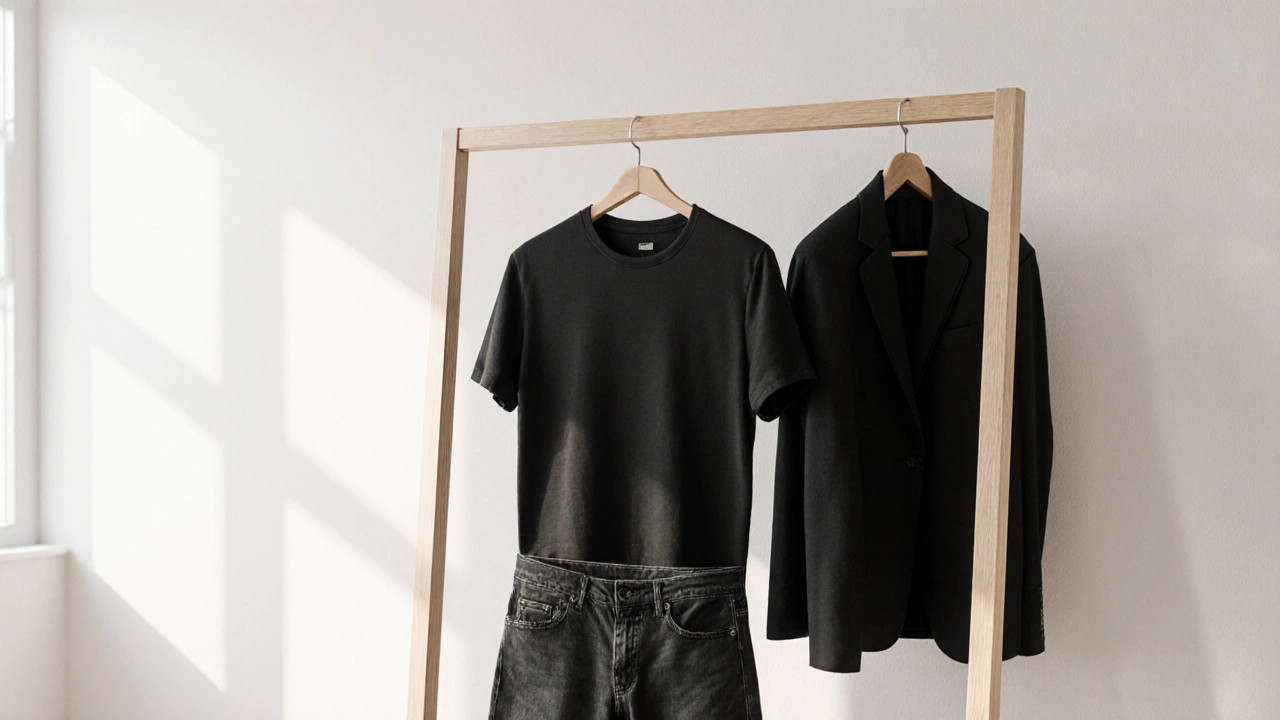
Explore why minimalists favor black clothing, from psychological impact to practical benefits, and learn how to build a versatile black capsule wardrobe.
Categories
RECENT POSTS

12-3-30 Workout: What It Is, How It Works, and Who Should Try It
Discover the science behind the viral 12-3-30 workout. Learn how this simple incline treadmill routine targets fat loss, strengthens glutes, and improves heart health without high-impact stress.
Best Outfit Suggestion Apps: How AI Chooses What You Wear
Discover how AI-powered outfit suggestion apps turn your wardrobe into daily style ideas, compare the top 2025 options, and learn tips to choose and use the right one.
What Is the Disadvantage of Self-Help Books?
Self-help books promise transformation but often oversimplify life's challenges, create guilt, and replace real support with solo fixes. Here's what they don't tell you.
How to Find Your Personal Style: A Practical Guide to Dressing Better
Stop staring at a full closet with nothing to wear. Learn how to find your personal style using the three-word method, color theory, and wardrobe auditing.
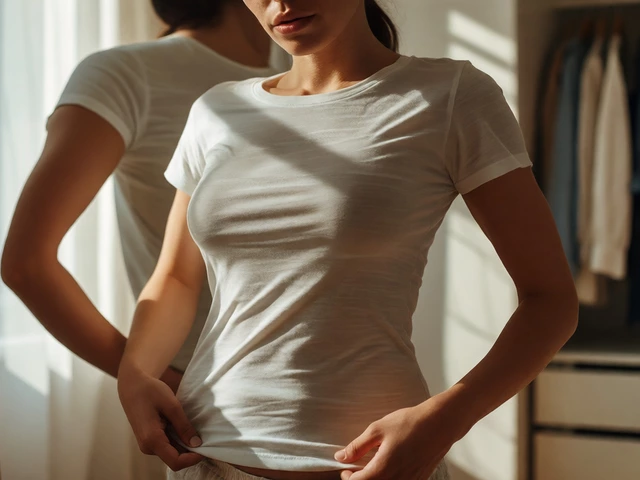
What Not to Wear If You Have a Big Tummy: Style Mistakes to Avoid
Struggling with what to wear when you have a big tummy? Discover the style mistakes to avoid, from tight fits to wrong fabrics. Learn how necklines, layers, and strategic patterns can flatter your silhouette effortlessly.