Sustainable Fashion Label Checker
Evaluate a garment or brand against key sustainability metrics discussed in the article. Click on the criteria that apply to the item you are considering.
Natural/Recycled Materials
Organic cotton, hemp, linen, wool, or recycled fibers.Fair Labor Practices
Mentions living wages, safe conditions, or Fair Trade certified.Supply Chain Transparency
Discloses factory lists or specific sourcing details.Designed for Longevity
Timeless design, durable construction, repairable.Circular Initiatives
Take-back programs, biodegradable, or mono-materials.Third-Party Certifications
GOTS, OEKO-TEX, B Corp, or Bluesign labels.Sustainability Score
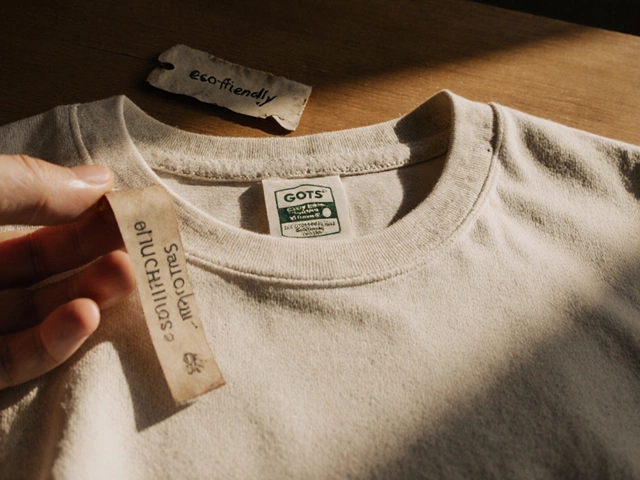
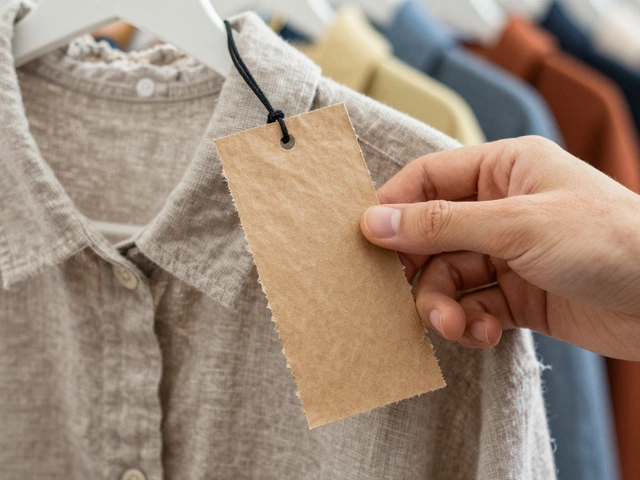
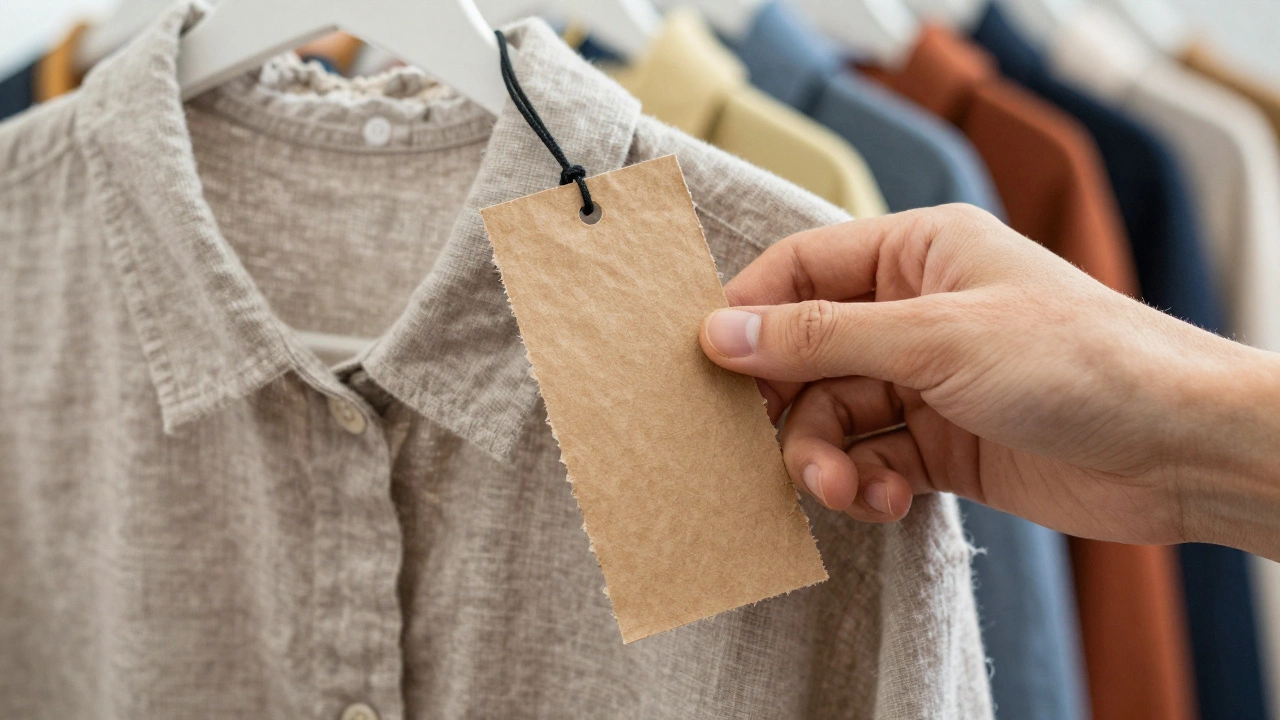
You’ve probably seen the label. It’s usually printed in a soft, earthy green font on a hangtag made of recycled paper: sustainable. But if you look closely at the garment itself, it might be fast fashion priced for impulse buys. This contradiction is exactly why asking "what does sustainable mean in fashion?" is more important than ever. The term has become a marketing buzzword, often used loosely to describe anything from organic cotton t-shirts to synthetic dresses dyed with toxic chemicals. For the average shopper, this creates confusion. Is buying less enough? Do you need to buy only second-hand? Or is there a middle ground where new clothes can actually be good for the planet?
To understand sustainability in fashion, we have to look beyond the tag. It isn't just about one material or one brand. It is a complex system involving how clothes are designed, who makes them, how they travel, and what happens when you throw them away. In 2026, the conversation has shifted from vague promises to measurable impact. We are moving away from the idea that "green" means perfect and toward the reality that it means better than the alternative. Let’s break down what this actually looks like in practice.
The Environmental Footprint of Your Wardrobe
When people talk about sustainable fashion, the first thing that comes up is pollution. And rightly so. The traditional fashion industry is one of the largest polluters globally. Before we define what sustainable *is*, we need to understand what it is trying to fix. Conventional fashion relies heavily on virgin petroleum-based materials like polyester and nylon. These fabrics shed microplastics every time you wash them, eventually ending up in our oceans. Then there is water usage. Producing a single pair of denim jeans can require thousands of liters of water, much of which becomes contaminated with dyes and finishing agents.
Sustainable fashion aims to reduce this footprint. It prioritizes natural fibers like organic cotton, hemp, linen, and wool. These materials are biodegradable and generally require fewer chemical inputs than conventional cotton or synthetic blends. However, it’s not black and white. Even organic cotton requires significant water. So, true sustainability also involves looking at where those crops are grown. Are they rain-fed? Are farmers using regenerative agriculture practices that restore soil health instead of depleting it? Brands that truly care about sustainability will disclose their supply chain details, showing exactly where their raw materials come from and how they are processed.
| Fabric Type | Source | Biodegradable? | Key Sustainability Concern |
|---|---|---|---|
| Polyester | Petroleum (Plastic) | No | Microplastic shedding; non-renewable source |
| Conventional Cotton | Plant | Yes | High pesticide and water usage |
| Organic Cotton | Plant | Yes | Lower water efficiency than synthetics, but no pesticides |
| Hemp | Plant | Yes | Very low water/pesticide needs; improves soil |
| Tencel/Lyocell | Wood Pulp | Yes (mostly) | Requires closed-loop processing to be eco-friendly |
The Human Cost: Ethics and Fair Labor
If environmental impact is half the equation, social responsibility is the other. You cannot call fashion sustainable if it exploits the people who make it. This aspect is often referred to as Ethical Fashion, which is a movement focused on ensuring fair wages, safe working conditions, and workers' rights throughout the supply chain. For decades, the drive for cheap clothing led to tragedies like the Rana Plaza collapse in Bangladesh, which highlighted the deadly consequences of cost-cutting in manufacturing.
In a sustainable framework, brands must pay living wages, not just minimum wages. There is a big difference. A minimum wage is set by governments and often doesn’t cover basic needs. A living wage ensures a worker can afford food, housing, healthcare, and education for their family. Transparent brands publish their factory lists and allow third-party audits. They work with certifications like Fair Trade Certified or B Corp status, which verify these claims independently. When you buy from such brands, you are supporting an economic model that values human dignity over speed and profit margins.
This also extends to indigenous communities. Many sustainable brands collaborate directly with artisans, preserving traditional crafting techniques like hand-weaving or natural dyeing. This approach keeps cultural heritage alive while providing fair income to rural communities. It shifts the narrative from mass production to meaningful creation.
Slow Fashion vs. Fast Fashion
Perhaps the most practical way to understand sustainability is through the lens of pace. The current dominant model is Fast Fashion, characterized by rapid production cycles, low prices, and trends that change weekly. Brands release hundreds of new styles every season, encouraging consumers to buy more and wear items fewer times. This linear model-take, make, waste-is inherently unsustainable.
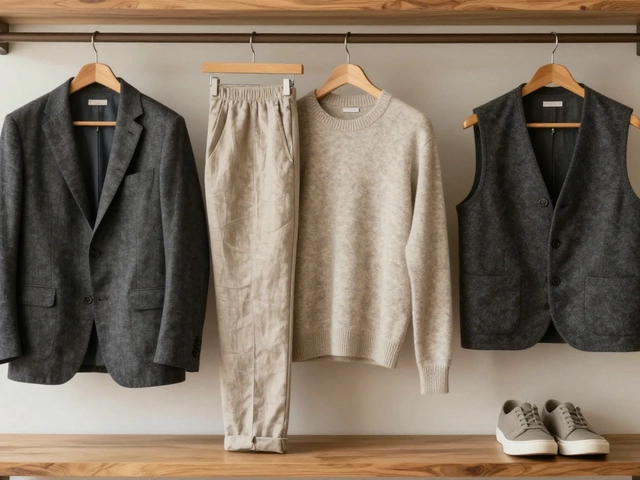
Slow Fashion is the antidote. It is a mindset rather than just a shopping habit. Slow fashion encourages you to buy fewer, higher-quality items that last longer. It focuses on timeless design rather than fleeting trends. If you buy a well-made wool coat that lasts ten years, its environmental impact per wear is significantly lower than five cheap coats that fall apart after one winter. Slow fashion also promotes versatility. Can you style this piece in multiple ways? Does it fit your actual lifestyle, or did you buy it for a photo op?
This shift requires a change in consumer behavior. It asks us to question our impulses. Why do I want this? Will I wear it thirty times? If the answer is no, sustainable fashion suggests walking away. It’s about intentionality. By slowing down the rate of consumption, we reduce the pressure on manufacturers to cut corners on labor and materials.
Circularity: Closing the Loop
Even the best-made garment eventually wears out. In a traditional system, that means it goes to a landfill. Sustainable fashion seeks to create a Circular Economy, which is an economic system aimed at eliminating waste and the continual use of resources. In a circular fashion model, products are designed with their end-of-life in mind. Materials are chosen because they can be easily recycled or composted. Zippers and buttons are standardized so they can be removed and reused. Fabrics are mono-materials rather than complex blends that are impossible to separate for recycling.
Brands leading this charge offer take-back programs. You send back your old clothes, and they either resell them as vintage, repair them, or recycle the fibers into new yarn. Some companies are even developing technologies to chemically recycle polyester back into virgin-quality plastic without losing quality. While this technology is still scaling up, it represents the future of textile management. As a consumer, you can participate in circularity by buying second-hand, renting special occasion wear, or repairing your existing clothes instead of replacing them.
Greenwashing: Spotting the Fakes
Because "sustainable" sells, many brands engage in Greenwashing, defined as the practice of making misleading claims about the environmental benefits of a product or service. This is where things get tricky. A brand might highlight one small initiative, like using recycled hangers, while ignoring the fact that 90% of their collection is made from virgin polyester in sweatshops. They might use vague terms like "eco-conscious," "earth-friendly," or "natural" without any certification to back it up.
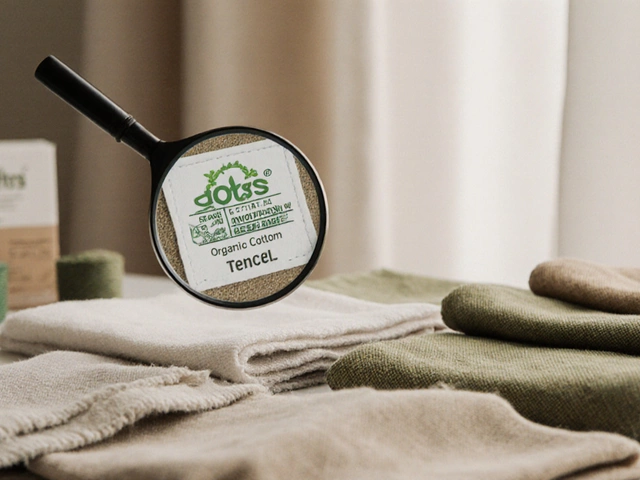
To spot greenwashing, look for specifics. Vague language is a red flag. Instead of saying "we care about the planet," a transparent brand will say "we reduced water usage by 40% in our dyeing process" or "100% of our cotton is GOTS certified." Check for third-party certifications. Labels like Global Organic Textile Standard (GOTS), OEKO-TEX, and Bluesign provide independent verification of safety and sustainability standards. If a brand hides its supply chain information or refuses to answer questions about factory conditions, proceed with caution. True sustainability is nothing to hide.
How to Shop Sustainably Today
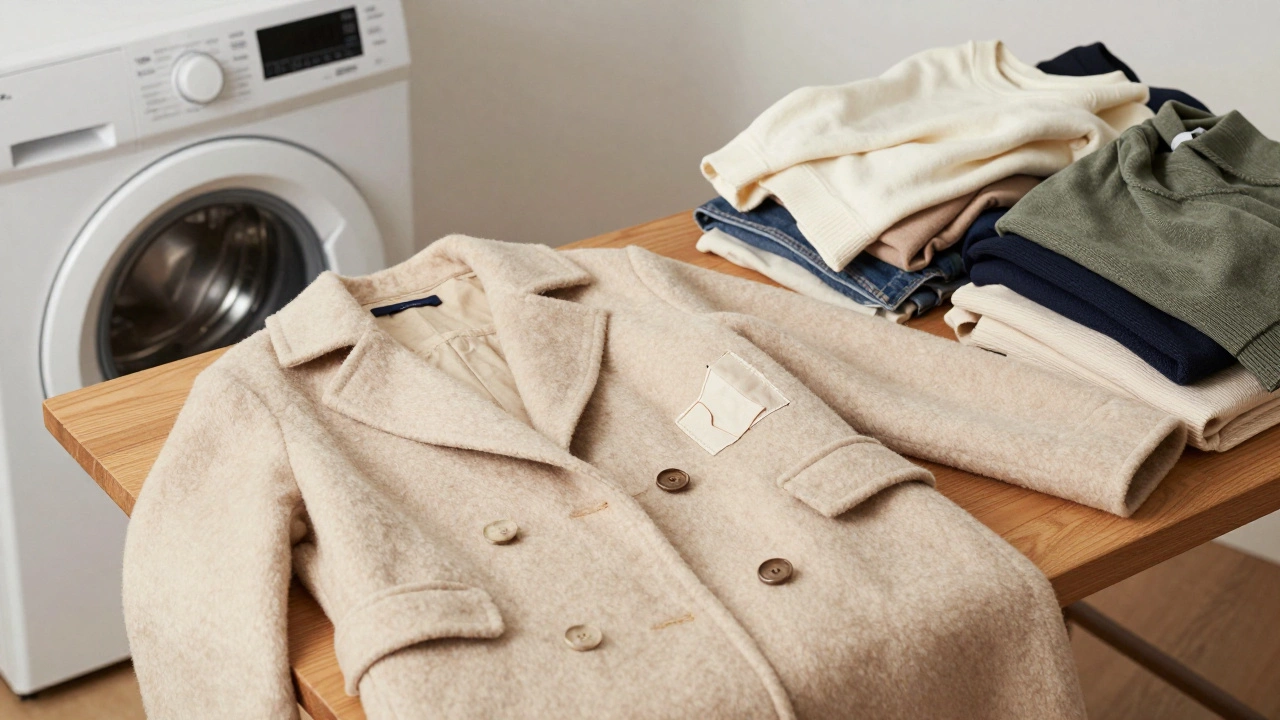
You don’t need to overhaul your entire wardrobe overnight. That’s unrealistic and, ironically, wasteful. Start with what you have. Wear your current clothes until they are truly worn out. Clean them, mend them, and love them. The most sustainable garment is the one already in your closet.
When you do need to buy new, follow these steps:
- Check the material: Prioritize natural, biodegradable fibers or high-quality recycled synthetics.
- Research the brand: Look for transparency reports, factory lists, and clear sustainability goals.
- Consider longevity: Buy classic cuts and durable construction. Check reviews for quality feedback.
- Support local: Buying locally reduces transportation emissions and supports your community economy.
- Explore second-hand: Thrift stores, consignment shops, and online resale platforms extend the life of existing garments.
Sustainability in fashion is a journey, not a destination. It’s about making better choices within the constraints of your budget and lifestyle. Every purchase is a vote for the kind of world you want to live in. By understanding what sustainable really means, you empower yourself to shop with purpose and reduce your impact on the planet.
Is organic cotton always sustainable?
Not necessarily. While organic cotton avoids harmful pesticides and fertilizers, it still requires significant water to grow. Its sustainability depends on farming practices like crop rotation and water management. Look for additional certifications like GOTS, which ensure both environmental and social criteria are met.
Are recycled polyester clothes eco-friendly?
Recycled polyester is better than virgin polyester because it reduces reliance on fossil fuels and diverts plastic waste from landfills. However, it still sheds microplastics during washing and is difficult to recycle again after use. It is a transitional solution, not a perfect one. Use a microfiber-catching bag when washing these items.
Why is slow fashion more expensive?
Slow fashion prices reflect the true cost of production. This includes paying fair wages to workers, using higher-quality materials, and minimizing environmental damage. Fast fashion hides these costs by underpaying labor and externalizing environmental cleanup costs onto society. Over time, slow fashion items often cost less per wear due to their durability.
What certifications should I look for?
Key certifications include GOTS (Global Organic Textile Standard) for organic fibers, Fair Trade Certified for labor conditions, OEKO-TEX for chemical safety, and B Corp for overall corporate responsibility. These labels provide third-party verification that a brand’s claims are legitimate.
Can I be sustainable on a tight budget?
Yes. The most sustainable option is buying less. Focus on second-hand shopping, swapping clothes with friends, and caring for what you own to make it last. When buying new, invest in versatile basics that you will wear frequently, rather than trendy items that go out of style quickly.