Companion Planting: Natural Garden Pairings That Actually Work
When you hear companion planting, the practice of growing certain plants together to improve growth, deter pests, or enhance flavor. Also known as intercropping, it’s not just old-school wisdom—it’s science-backed gardening that cuts down on chemicals and saves time. Think of it like giving your plants friends who help them thrive. Marigolds don’t just look pretty next to tomatoes—they confuse aphids and nematodes. Beans don’t just climb corn—they feed the soil with nitrogen so the corn grows stronger. This isn’t magic. It’s ecology.
What makes companion planting work? It’s about natural pest control, using plants to repel or trap insects without sprays. For example, planting basil near peppers keeps thrips away. Nasturtiums act as a trap crop for aphids, luring them off your broccoli. Then there’s soil health, how certain plants improve nutrient availability for their neighbors. Legumes like peas and beans fix nitrogen in the soil, making it richer for heavy feeders like squash or corn. And don’t forget garden pairings, the specific combinations that have proven results over decades of real-world use. Carrots and onions? They confuse each other’s pests. Cucumbers and radishes? Radishes keep cucumber beetles at bay. These aren’t guesses—they’re patterns repeated by gardeners who got tired of losing crops.
Companion planting doesn’t require a PhD. You don’t need perfect rows or fancy tools. It works in small backyards, balcony containers, and community plots. The key is observing what happens when plants grow side by side. Some pairings are obvious—like planting dill near cabbage to attract beneficial wasps. Others are surprising—like how garlic planted near roses reduces black spot fungus. The real win? You spend less time spraying, weeding, and replacing dead plants. You get more food, more color, and more confidence in your garden.
What you’ll find below are real examples from gardeners who tried these methods and saw results. No fluff. No theory without practice. Just what works in UK soil, under UK weather, with UK pests. Whether you’re growing tomatoes on a windowsill or managing a full vegetable patch, there’s something here that will make your next season easier—and more productive.
How to Have a Successful Vegetable Garden: A Practical Guide
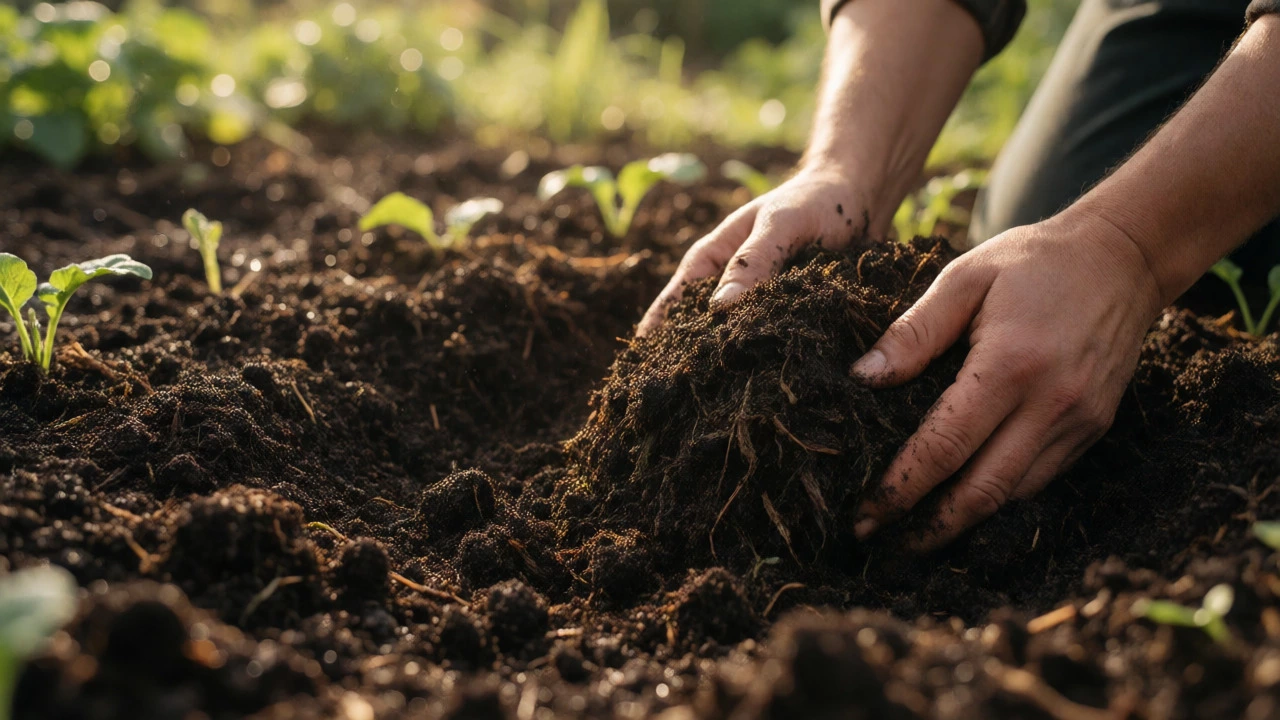
Stop guessing and start growing. Learn the essential steps for a thriving vegetable garden, from soil prep to pest control.
Can You Plant Tomatoes and Peppers Together? Pros, Cons, and Tips for Better Harvests
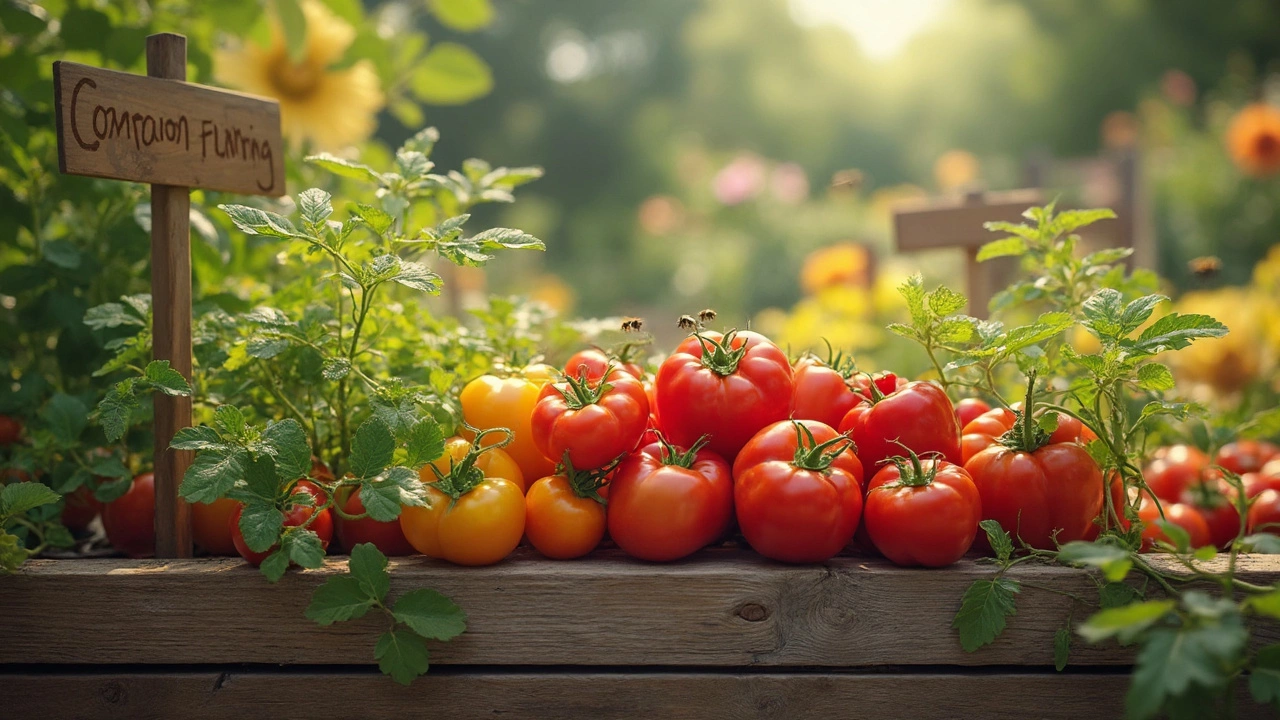
Wondering if tomatoes and peppers can share a garden bed? Discover the science, pros, cons, and proven tips to make these popular veggies thrive side by side.
Categories
RECENT POSTS
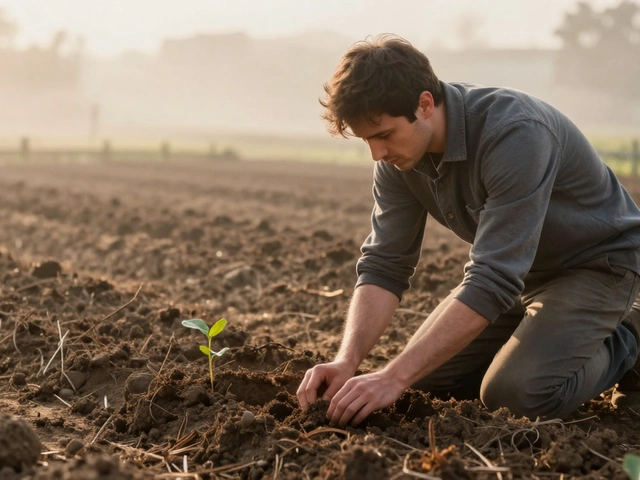
What Is the Hardest Thing About Gardening?
The hardest thing about gardening isn't pests, soil, or weather - it's patience. Real gardening takes time, observation, and accepting that growth can't be rushed. Learn why waiting is the most important skill.

Is The Alchemist a Self‑Help Book? Explained
Explore whether Paulo Coelho's The Alchemist qualifies as a self‑help book, compare its themes to classic self‑help guides, and learn how to use the novel for personal growth.
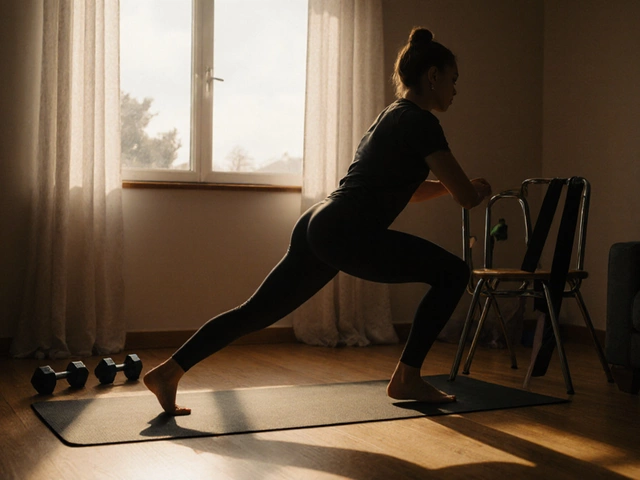
How Long Does It Realistically Take to Get in Shape at Home
Realistic timeline for getting in shape at home with basic equipment - no gym needed. See how long it takes to build strength, lose fat, and feel confident with consistent workouts.

How to Improve Your Mental Wellbeing: Simple, Proven Steps for Daily Life
Learn simple, science-backed ways to improve your mental wellbeing every day - from walking and sleep to connection and reducing screen time. No therapy required, just small habits that make a big difference.
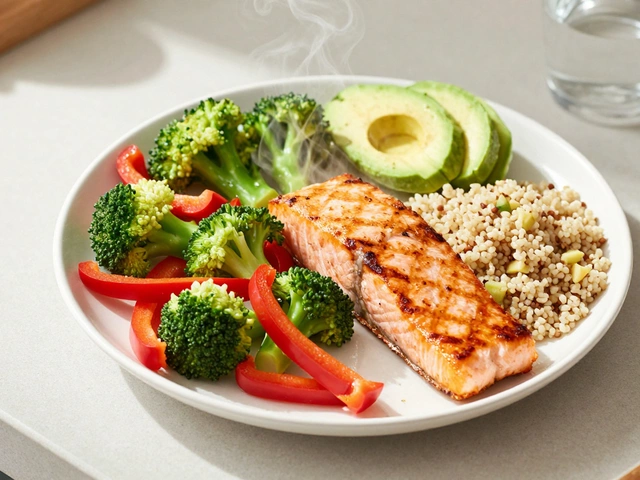
What is the Perfect Meal? The Science-Backed Formula for Balanced Eating
Discover the science behind the perfect meal. Learn how to balance protein, carbs, and fats for optimal health, energy, and satisfaction using simple, actionable strategies.