Declutter: Simple Ways to Clear Clutter and Find Calm
When you declutter, the intentional act of removing excess items to create physical and mental space. Also known as clutter reduction, it’s not about perfection—it’s about keeping only what you use, love, or need. Most people think decluttering means buying new storage bins or spending a weekend sorting through boxes. But real change starts when you stop seeing stuff as safe and start seeing it as noise.
Decluttering connects directly to minimalism, a lifestyle focused on intentionality over accumulation. It’s not about owning fewer things for the sake of it—it’s about making room for better experiences. Think of it like turning down the volume on your environment so you can hear yourself think. The same principle applies to your closet, your kitchen counters, and your digital files. You don’t need to live in a white-walled apartment to be a minimalist. You just need to ask: Does this add value, or just take up space? And when you start asking that question, you begin to see how organizing, the process of arranging items so they’re easy to find and use. Also known as systemizing your space, it’s not about matching bins or color-coding labels—it’s about building habits that stick. One person keeps their spices in a drawer with labels. Another uses a single shelf for all their books. There’s no right way. Only the way that works for you.
Decluttering also ties into sustainable living, reducing waste and consumption to lessen environmental impact. When you stop buying things you don’t need, you stop contributing to landfills, overproduction, and fast fashion cycles. That old sweater you never wear? Giving it away or selling it keeps it out of a landfill. That extra mug collecting dust? It’s not storage—it’s a missed opportunity to simplify. The posts below show how people cut clutter in their homes, wardrobes, and routines without drastic changes. You’ll find real stories: how someone cleared their kitchen to cook more, how another person stopped buying clothes for three months and saved money, how a family reduced their trash by half using one simple rule. This isn’t about becoming a monk. It’s about making your space feel lighter, your decisions easier, and your days less chaotic. What you’ll find here are practical, no-fluff methods that actually work—because they’re tried by real people, not Pinterest influencers.
How to Choose the First Room to Declutter - Proven Home Organization Tips
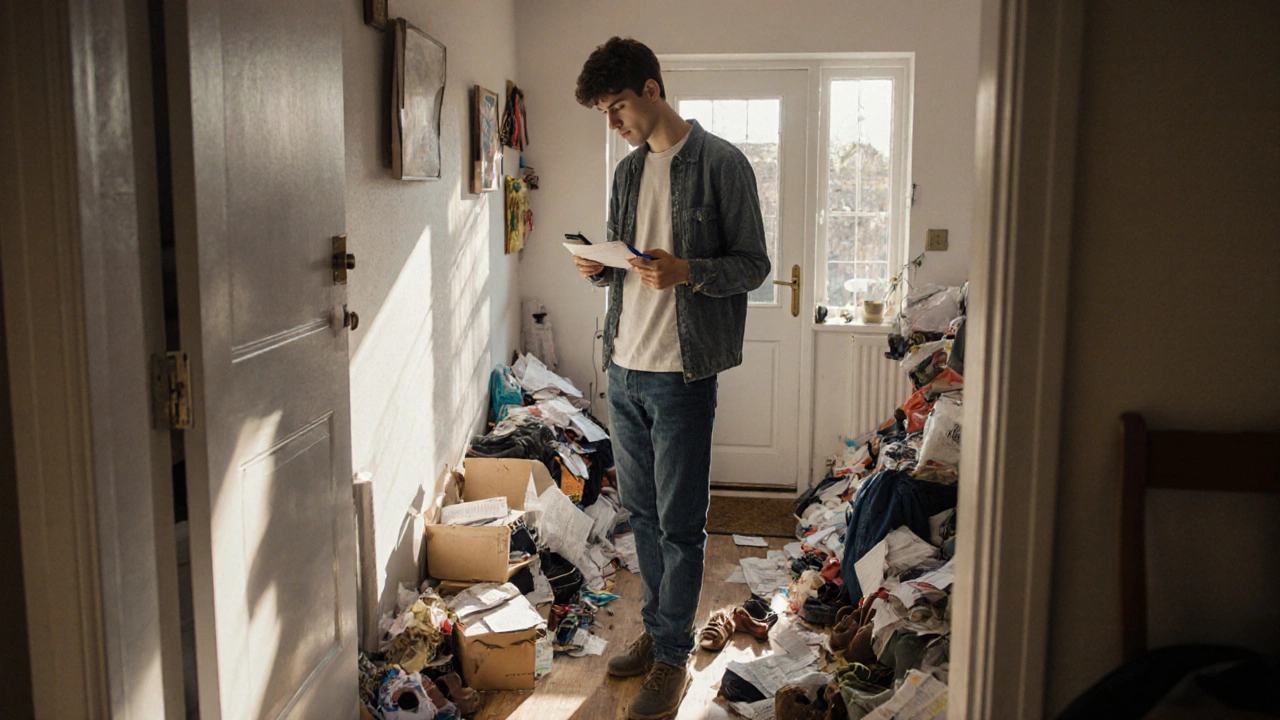
Discover how to pick the first room to declutter for maximum impact, using a simple scorecard, quick‑win tips, and a step‑by‑step plan that keeps momentum flowing.
Categories
RECENT POSTS
Essential Dinner Components for a Healthy Family Meal
Break down what every dinner needs for nutrition, joy, and ease. Make dinnertime the best time with practical tips and real-life ideas, straight from a busy Kiwi mum.
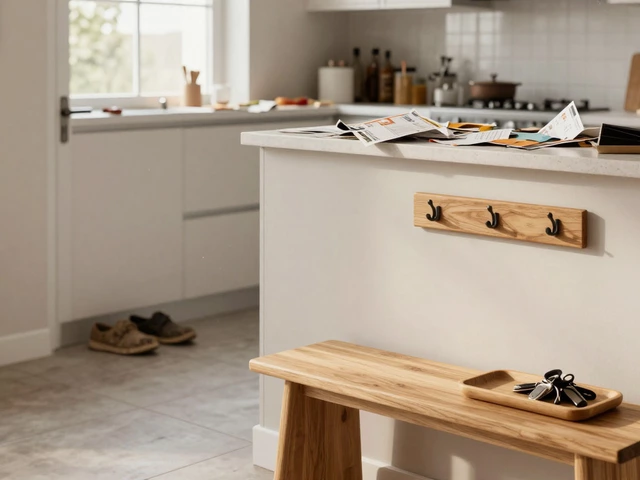
How to Perfectly Organize Your Home: A Step-by-Step System That Actually Sticks
Learn how to perfectly organize your home with practical, frictionless systems. From kitchen zones to entryway drop spots, discover step-by-step tips to reduce clutter and maintain order effortlessly.
How to Declutter Every Room in Your House Fast
Learn how to declutter every room in your house fast with simple, step-by-step strategies that work in under 8 hours. No fluff, no perfection-just momentum.

The World's Most Read Book: Uncovering the #1 Bestseller
Discover the world's most-read book and why it beats Harry Potter. Explore sales data, self-help giants, and the truth behind global bestseller lists.
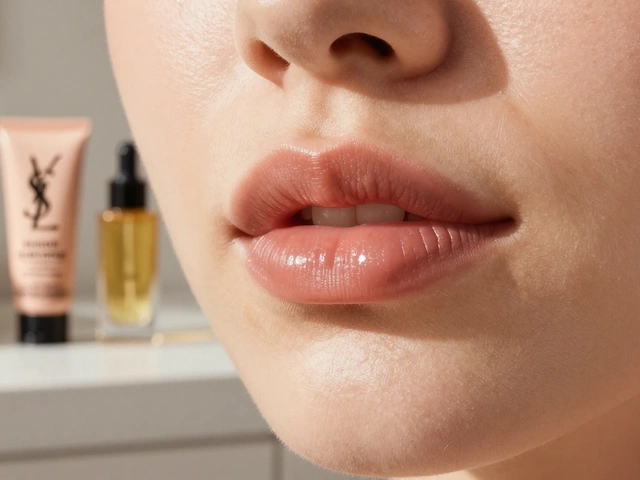
What Is the Lipstick Trend in 2024?
Discover the 2024 lipstick trends: skin-like nudes, creamy mattes, and hydrating formulas that prioritize comfort over color. Learn what shades and textures are dominating beauty routines worldwide.