Everyday Sustainability: Simple Ways to Live Lighter on the Planet
When we talk about everyday sustainability, the small, consistent actions people take to reduce waste and live more responsibly in their daily lives. Also known as low-impact living, it doesn't require grand gestures—just smarter choices while shopping, cooking, dressing, or cleaning. It’s not about buying expensive eco-products or turning your home into a zero-waste lab. It’s about noticing what you already do and shifting it slightly—like choosing a reusable cup, repairing clothes instead of tossing them, or eating leftovers before buying more.
Real sustainable fashion, clothing made with fair labor, durable materials, and a plan for what happens after you’re done wearing it. Also known as slow fashion, it’s the opposite of fast fashion’s throwaway culture. You’ll find posts here that show you how to spot the real sustainable brands—not just the ones with green labels but real transparency. And if you’re wondering why minimalists wear black, it’s not just style—it’s about owning fewer things that last longer. Then there’s eco-friendly living, a way of life that reduces environmental harm through daily habits like composting, using less plastic, and choosing local food. That’s why you’ll see guides on eating under $20 a week on healthy meals, using coffee grounds in the garden, and how to be a lazy gardener who gets more with less work. These aren’t niche hobbies—they’re practical responses to a world where resources are finite.
What ties all this together? ethical consumerism, the idea that your buying power is a vote for the kind of world you want. Every time you pick one product over another, you’re saying yes or no to water waste, exploitative labor, or plastic pollution. You don’t need to do everything. But if you start with one thing—like checking if your clothes were made fairly, or using a cloth bag instead of plastic—you’re already part of the shift. Below, you’ll find real, tested advice from people who’ve done this without going crazy. No guilt. No perfection. Just what works.
Eco-Friendly Products: How Switching Changes Your Life and the Planet

Switching to eco-friendly products ripples out in powerful ways. Discover real effects on your health, wallet, and the planet—plus stats, tips, and eye-opening facts.
Categories
RECENT POSTS

Does the 12-3-30 Workout Actually Work? A Realistic Review
The 12-3-30 workout involves walking at a 12% incline, 3 mph, for 30 minutes. This article analyzes whether this viral fitness trend actually delivers results for weight loss and cardiovascular health, offering realistic expectations and safety tips.
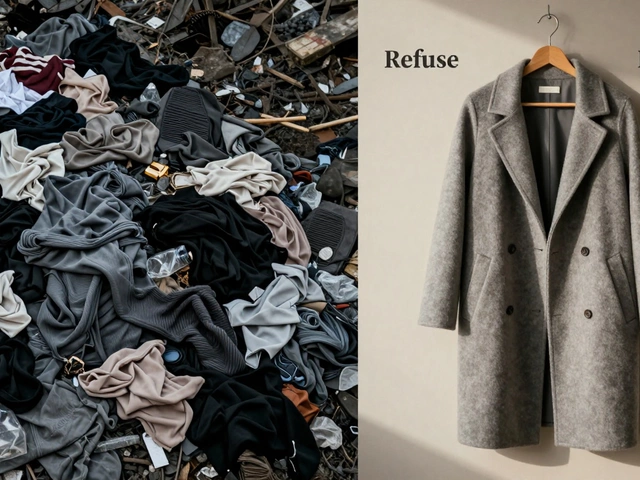
The 7 Rs of Sustainable Fashion: A Practical Guide to Ethical Style
Discover the 7 Rs of sustainable fashion: Refuse, Reduce, Rethink, Repair, Reuse, Rent, and Recycle. A practical guide to building an ethical wardrobe.

Rule 406 Explained: Everything You Need to Know About Evidence of Habit or Routine Practice
Learn exactly what Rule 406 means in law, why it's important in court, and how it affects cases involving habits and routine practice. Clear, direct, and practical.

Life-Changing Books: Stories That Shape Who We Become
Explore how a single book can change your life. Discover stories, research, and top tips for finding the book that could spark your next big transformation.

Can You Use Your US Cell Phone in London? Guide to Connecting Seamlessly Abroad
Curious if your US phone works in London? Learn about roaming, SIM cards, phone compatibility, and data tips to avoid headaches and huge bills abroad.