Build Your Perfect Plate
Select Your Ingredients
Click one option from each category to build your balanced meal.
Your Balanced Plate
50%
25%
25%
Nutritional Profile
Meal Description
Select ingredients from each category to see your custom meal description.
Stop scrolling through Instagram looking for the one magical bowl that will fix your life. It doesn’t exist. There is no single "perfect" meal in the universe. If there were, nutritionists would have stopped arguing decades ago. The idea of a perfect meal is a marketing trap designed to sell you superfoods you don’t need.
However, there is a perfect healthy meal framework. It’s not about eating raw kale and quinoa until you’re numb. It’s about combining specific food groups in a way that stabilizes your blood sugar, keeps you full for hours, and provides the building blocks your body actually needs to function. Think of it less like a recipe and more like a formula you can apply to almost any dish.
The Core Formula: What Makes a Meal 'Perfect'?
To build a meal that supports long-term health, you need to hit three non-negotiable pillars: protein, fiber, and healthy fats. Carbohydrates are important, but their quality matters far more than their quantity. When you strip away the noise of diet trends, this is what a scientifically sound plate looks like.
Protein is the anchor. It triggers satiety hormones like peptide YY and GLP-1, which tell your brain you’re full. Without enough protein, you’ll be snacking an hour later. Fiber slows down digestion, preventing glucose spikes that lead to energy crashes. Healthy fats support hormone production and help your body absorb fat-soluble vitamins like A, D, E, and K.
Here is the breakdown of how these components interact:
- Lean Protein is essential for muscle repair and metabolic regulation. Sources include chicken breast, tofu, lentils, Greek yogurt, or wild-caught fish.
- Fiber-Rich Vegetables is the bulk of your meal that aids digestion and gut health. Aim for leafy greens, cruciferous veggies like broccoli, or colorful bell peppers.
- Healthy Fats is critical for brain function and nutrient absorption. Examples are olive oil, avocado, nuts, seeds, or fatty fish like salmon.
- Complex Carbohydrates is energy source with low glycemic impact. Choose sweet potatoes, quinoa, brown rice, or oats instead of white bread or sugary snacks.
The Plate Method: Visualizing Balance
You don’t need a food scale or a calorie counter to eat well. Your hand is the best tool you have. This method, often recommended by registered dietitians, simplifies portion control without the stress of counting macros.
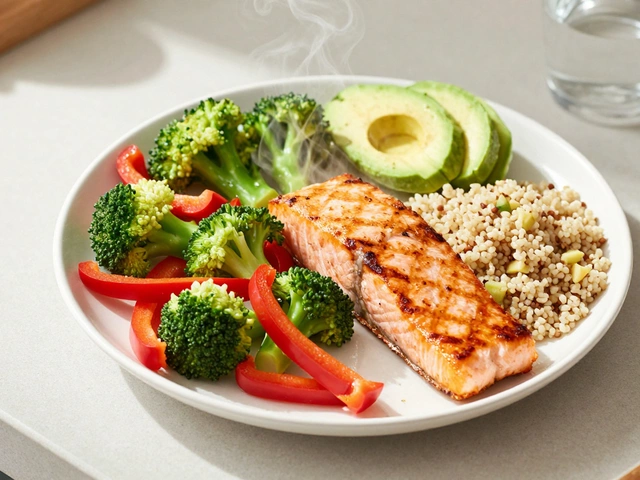
Imagine your dinner plate divided into sections. Half of the plate should be filled with non-starchy vegetables. This might sound like a lot, but volume eating allows you to eat a large amount of food while keeping calories moderate. The other half is split between protein and carbohydrates. Your palm-sized portion goes to protein, and your cupped-hand portion goes to carbs. Add a thumb-sized portion of healthy fats on top or within the cooking process.
This visual guide ensures you get variety. If you only eat chicken and broccoli, you miss out on the phytonutrients found in red peppers or the omega-3s in chia seeds. Variety protects against nutrient deficiencies and keeps meals interesting.
| Component | Plate Proportion | Hand Reference | Primary Benefit |
|---|---|---|---|
| Vegetables | 50% | Two fists | Fiber, Micronutrients |
| Protein | 25% | Palm size | Satiety, Muscle Maintenance |
| Carbohydrates | 25% | Cupped hand | Energy, Gut Health (if fiber-rich) |
| Fats | Variable | Thumb size | Hormone Support, Flavor |
Real-Life Examples: From Theory to Practice
Knowing the theory is easy; applying it when you’re tired after work is hard. Here are three realistic examples of a perfect healthy meal that fit different lifestyles and preferences.
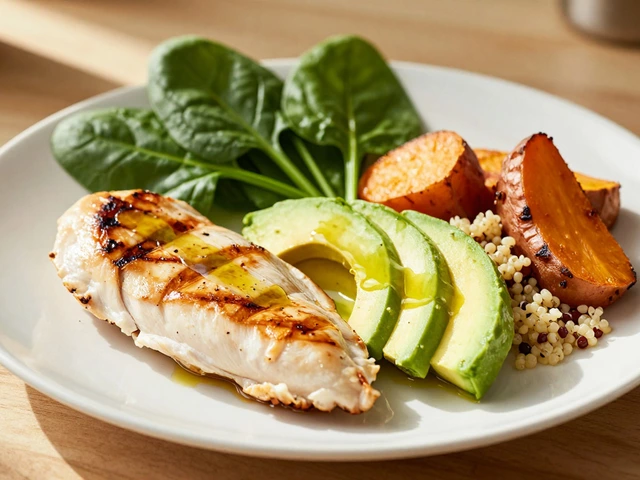
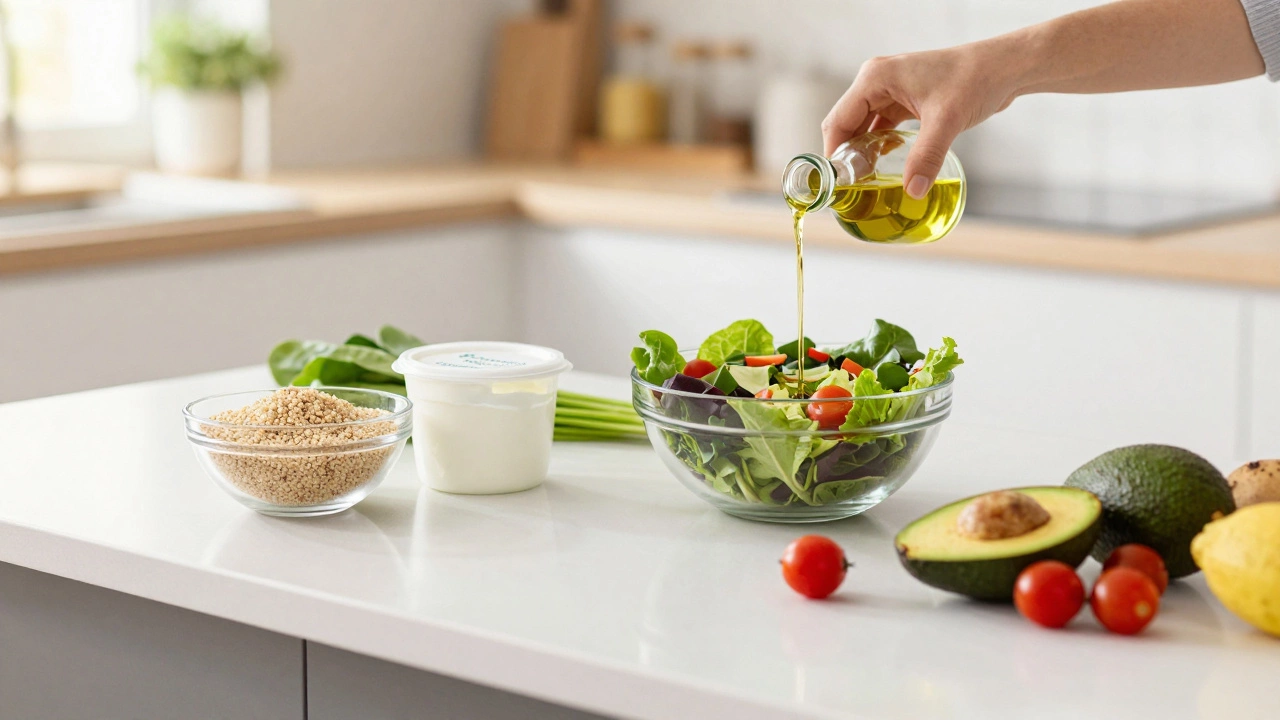
The Quick Weeknight Dinner: Start with a bed of spinach and arugula. Top it with grilled chicken strips seasoned with paprika and garlic powder. Add half an avocado sliced thin and a handful of cherry tomatoes. Drizzle with extra virgin olive oil and lemon juice. Sprinkle with pumpkin seeds for crunch. This meal takes ten minutes, requires minimal cleanup, and hits every nutrient target.
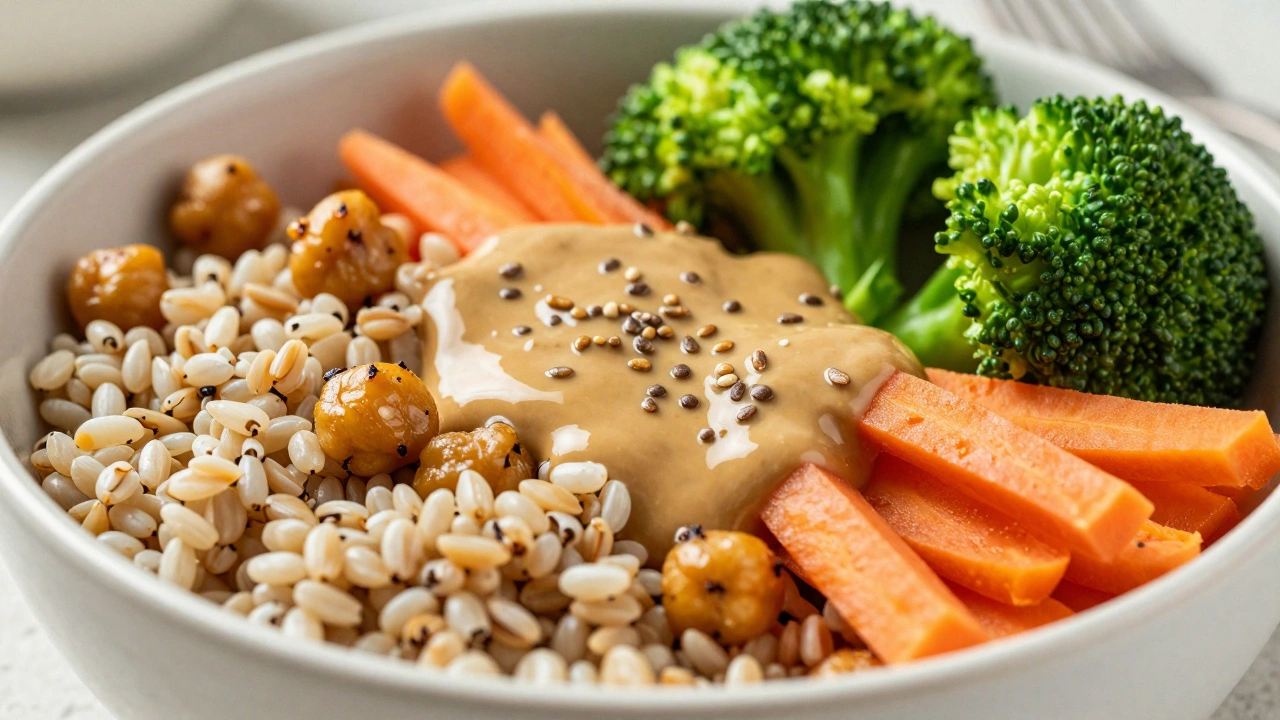
The Plant-Based Power Bowl: Base your bowl with cooked quinoa or farro. Add roasted chickpeas tossed in cumin and coriander. Include steamed broccoli and shredded carrots. Add a scoop of hemp hearts or tahini dressing. This combination provides complete amino acids from the legumes and grains, ensuring you get all essential proteins without meat.
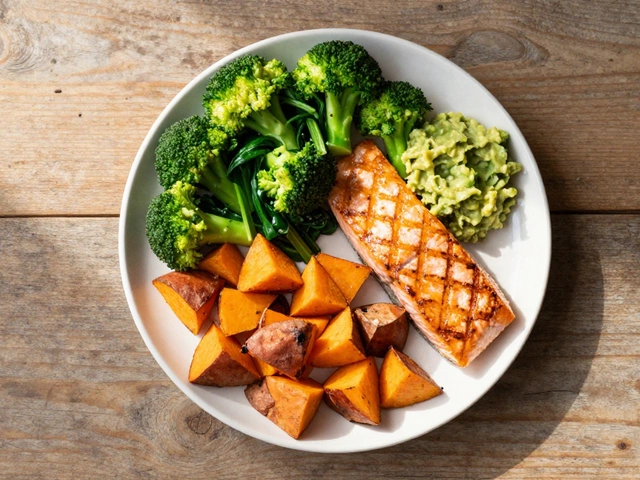
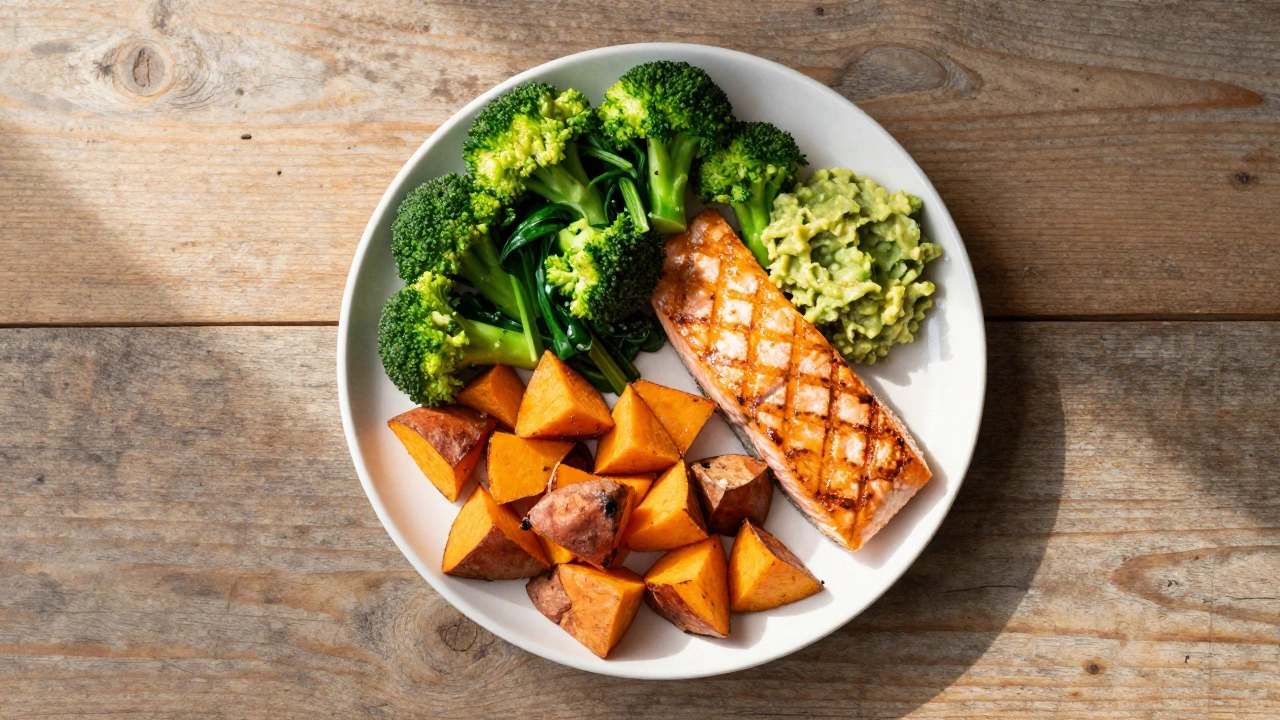
The Weekend Comfort Meal: You don’t have to sacrifice comfort for health. Make a baked salmon fillet seasoned with dill and lemon. Serve it with roasted asparagus and a small portion of mashed sweet potato made with a splash of almond milk instead of heavy cream. The salmon provides high-quality omega-3 fatty acids, while the sweet potato offers sustained energy.
Common Pitfalls That Ruin a Healthy Meal
Even if you pick the right ingredients, preparation methods can undermine your efforts. How you cook food changes its nutritional profile significantly. Deep-frying a vegetable turns a healthy choice into a source of inflammatory oils. Loading up on sugary dressings cancels out the benefits of your salad.
Avoid these common mistakes:
- Ignoring hydration: Often, we mistake thirst for hunger. Drink a glass of water before eating to ensure you’re truly hungry.
- Overcooking vegetables: Boiling vegetables leaches water-soluble vitamins like Vitamin C and B vitamins into the water. Steaming, roasting, or sautéing preserves more nutrients.
- Relying on processed "healthy" foods: Many granola bars or protein shakes are loaded with added sugars and artificial sweeteners. Whole foods are always superior to processed alternatives.
- Eating too fast: It takes about twenty minutes for your brain to register fullness. Eating slowly helps prevent overeating and improves digestion.
Tailoring the Perfect Meal to Your Needs
One size does not fit all. Your activity level, age, and health goals dictate slight adjustments to the core formula. An athlete training for a marathon needs more carbohydrates than someone who works a desk job. An older adult may need higher protein intake to combat sarcopenia, the natural loss of muscle mass with age.
If you have specific dietary restrictions, such as gluten intolerance or dairy allergies, the framework still applies. Swap wheat pasta for zucchini noodles or rice noodles. Use coconut milk instead of dairy cream. The structure remains the same; only the ingredients change.
Listening to your body is crucial. Pay attention to how you feel after eating. Do you feel energized and focused? Or do you feel sluggish and bloated? These signals provide valuable feedback on whether your meal choices align with your body’s needs.
Making It Sustainable: Habits Over Perfection
The goal isn’t to eat perfectly every single day. That’s a recipe for burnout and binge-eating cycles. Aim for consistency over perfection. If you mess up one meal, just get back on track with the next one. Don’t let one slip-up derail your entire week.
Preparation is key. Spend thirty minutes on Sunday chopping vegetables, cooking grains, and marinating proteins. Having ready-to-eat components makes it much easier to assemble a healthy meal during busy weekdays. Keep healthy snacks on hand, like apple slices with almond butter, to prevent reaching for vending machine junk.
Remember, food is fuel, but it’s also pleasure. Enjoy your meals. Eat with mindfulness. Connect with others around the table. The psychological aspect of eating plays a significant role in overall health and well-being. A "perfect" meal isn’t just about nutrients; it’s about nourishing your body and soul.
What is the most nutritious meal I can eat daily?
There is no single most nutritious meal, but a consistent pattern of eating whole foods rich in protein, fiber, and healthy fats is ideal. A daily meal combining lean protein like chicken or fish, a variety of colorful vegetables, and a complex carbohydrate like quinoa or sweet potato provides comprehensive nutrition. Consistency and variety are more important than finding one magic meal.
How do I balance my plate for weight loss?
For weight loss, focus on increasing the proportion of non-starchy vegetables to fill half your plate. Ensure adequate protein intake to maintain muscle mass and promote satiety. Reduce portion sizes of refined carbohydrates and added fats slightly. Using the hand portion guide-fist-sized veggies, palm-sized protein, cupped-hand carbs, thumb-sized fats-helps manage calorie intake naturally without strict counting.
Is it okay to eat carbs at dinner?
Yes, it is perfectly fine to eat carbohydrates at dinner. The timing of carb consumption has less impact on weight loss than total daily intake and food quality. Complex carbs like brown rice, oats, or vegetables provide fiber and energy. Avoiding carbs entirely can lead to nutrient deficiencies and increased cravings. Focus on pairing carbs with protein and fat to slow digestion and stabilize blood sugar.
What are the best sources of healthy fats?
Excellent sources of healthy fats include avocados, olive oil, nuts (almonds, walnuts), seeds (chia, flax, pumpkin), and fatty fish like salmon, mackerel, and sardines. These fats are rich in monounsaturated and polyunsaturated fatty acids, including omega-3s, which support heart health, brain function, and reduce inflammation. Limit saturated fats from processed meats and trans fats found in fried foods.
How much protein do I need per meal?
Aim for approximately 20-30 grams of protein per meal for most adults. This amount is sufficient to stimulate muscle protein synthesis and promote feelings of fullness. Individual needs vary based on age, activity level, and health goals. Athletes or those focusing on muscle gain may require higher amounts. Good sources include lean meats, eggs, dairy, legumes, and tofu.
Can I lose weight by eating only salads?
While salads can be part of a weight loss plan, relying solely on them is not sustainable or necessarily healthy. Salads often lack sufficient protein and calories needed for energy. To make a salad a complete meal, add a substantial source of protein like grilled chicken or beans, and include healthy fats like avocado or nuts. Ensure variety in vegetables to get a broad spectrum of nutrients. Long-term success comes from balanced, enjoyable meals, not restrictive diets.
What should I avoid in a healthy meal?
Avoid highly processed foods, added sugars, excessive sodium, and unhealthy trans fats. Limit refined carbohydrates like white bread and pastries, which cause rapid blood sugar spikes. Be cautious of hidden sugars in sauces, dressings, and packaged snacks. Prioritize whole, minimally processed foods. Cooking at home gives you control over ingredients and preparation methods, reducing exposure to harmful additives.
Does meal timing affect health?
Meal timing can influence energy levels and digestion, but its impact on long-term health is less critical than overall diet quality. Some people benefit from intermittent fasting, while others prefer smaller, frequent meals. Listen to your body’s hunger cues. Eating regular meals prevents extreme hunger and overeating. Consistency in meal times can help regulate circadian rhythms and improve sleep quality.