Food Preparation Controls: Safe, Smart Ways to Handle Food at Home
When you handle food, you’re not just cooking—you’re managing food preparation controls, the practical steps that prevent contamination and keep meals safe to eat. Also known as food safety practices, these aren’t just for restaurants—they’re the quiet rules that stop sickness before it starts in your own kitchen. Think about it: every time you chop raw chicken, then grab a tomato without washing your hands, you’re risking cross-contamination, when harmful bacteria spread from one surface or food to another. That’s not a scare tactic—it’s science. The UK’s Food Standards Agency reports over 20,000 food poisoning cases each year linked to home kitchens. Most of them? Avoidable.
Hygiene in cooking, the daily habits that reduce germ spread during meal prep doesn’t need fancy gear. It’s about washing hands for 20 seconds—long enough to sing "Happy Birthday" twice. It’s about using separate cutting boards for meat and veggies. It’s about not rinsing chicken (yes, that actually spreads bacteria). And it’s about knowing how long leftovers last. A fridge set above 5°C? That’s a bacteria buffet. A container left out for four hours? That’s a risk you don’t need. Food storage, how you keep ingredients cold, dry, and sealed after purchase is just as important as how you cook them. Leftovers in shallow containers? That’s how you cool food fast. Raw meat on the bottom shelf? That’s how you stop drips from ruining your salad.
These aren’t rules from a textbook. They’re the same steps used by professionals—and they’re the ones that show up in articles about budget meal prep, gardening with safe produce, and even how to shop smart for healthy food. You’ll find real examples below: how to store herbs so they last, how to clean your fridge properly, how to tell if that leftover curry is still good. No fluff. No jargon. Just what works. Whether you’re cooking for one or feeding a family, food preparation controls are the invisible shield between your kitchen and the emergency room. And you already have everything you need to use it.
4 Essential Food Preparation Controls for Safe Meal Prep
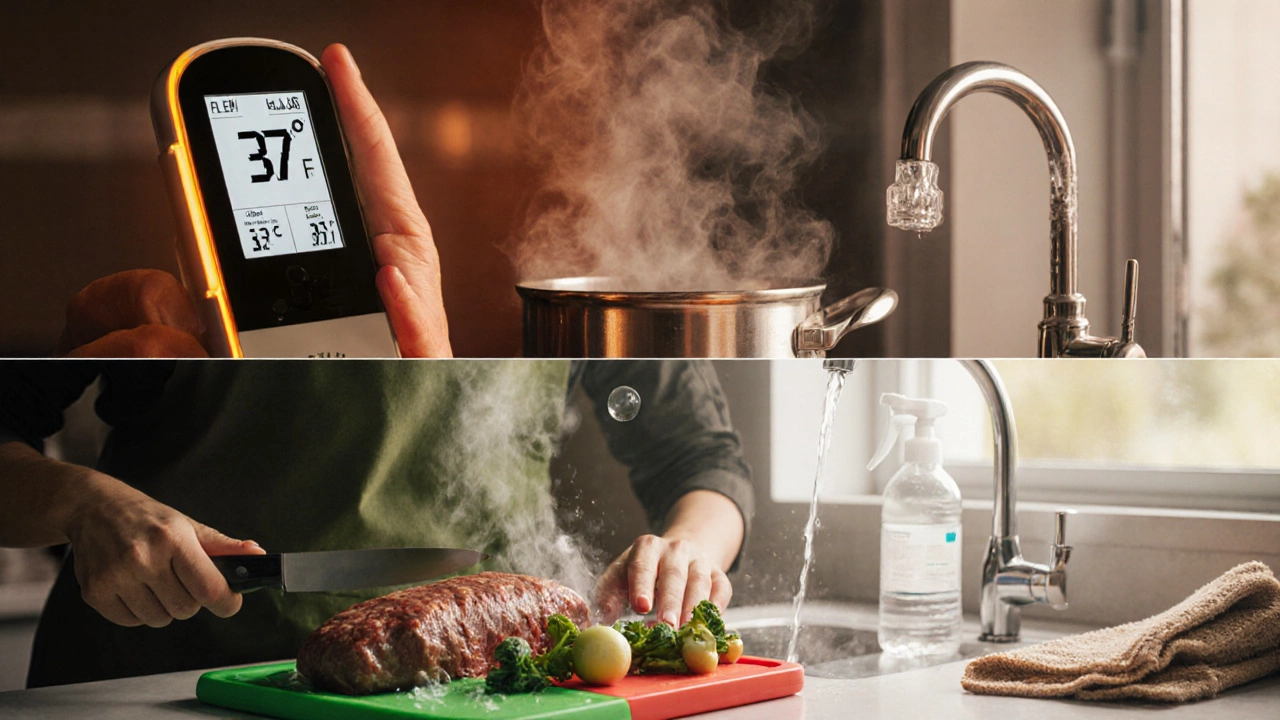
Discover the four key food preparation controls-temperature, cross‑contamination, personal hygiene, and cleaning-to keep meals safe and tasty.
Categories
RECENT POSTS

The 10 Essential Things Plants Need to Grow: A Complete Guide
Discover the 10 essential things plants need to thrive, from light and pH to microbes and space. Move beyond basic tips to master soil health, nutrient balance, and environmental control for a flourishing garden.

The Best AM Skincare Routine for Every Skin Type in 2026
Build the perfect AM skincare routine with this simple guide. Learn the essential steps: cleanse, treat with antioxidants, moisturize, and protect with sunscreen for healthy, glowing skin.

Best Life-Changing Books That Actually Work
Discover the best life-changing books that actually transform habits, mindset, and purpose. No fluff-just proven books that shift how you think and live.

Top Makeup Brands Preferred by Professional Artists
Discover the top cosmetics brands that professional makeup artists trust, how they choose products, budget tips, and upcoming 2025 trends.

What is the 50/50 Rule in Fashion? A Practical Guide to Balanced Style
Discover the 50/50 rule in fashion, a simple styling trick to balance casual and formal elements for effortless, harmonious outfits.