Greenwashing Detector
Evaluate a product you are considering buying. Check the boxes that apply to determine if it's likely "Green" (marketing) or truly "Eco-Friendly" (scientific impact).
Sustainability Score
This tool helps you spot greenwashing by prioritizing specific data over vague marketing terms.
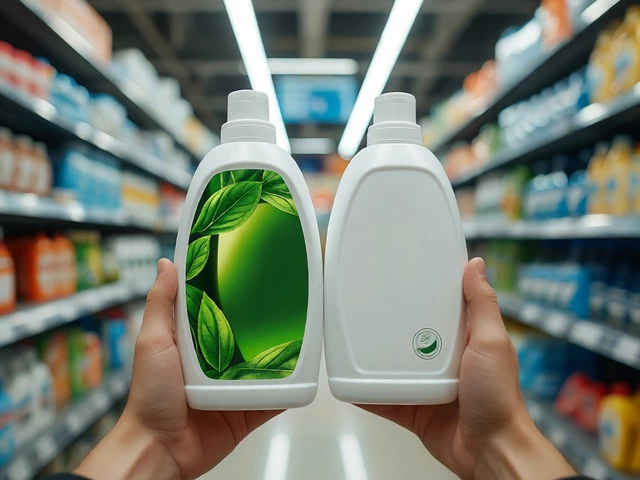
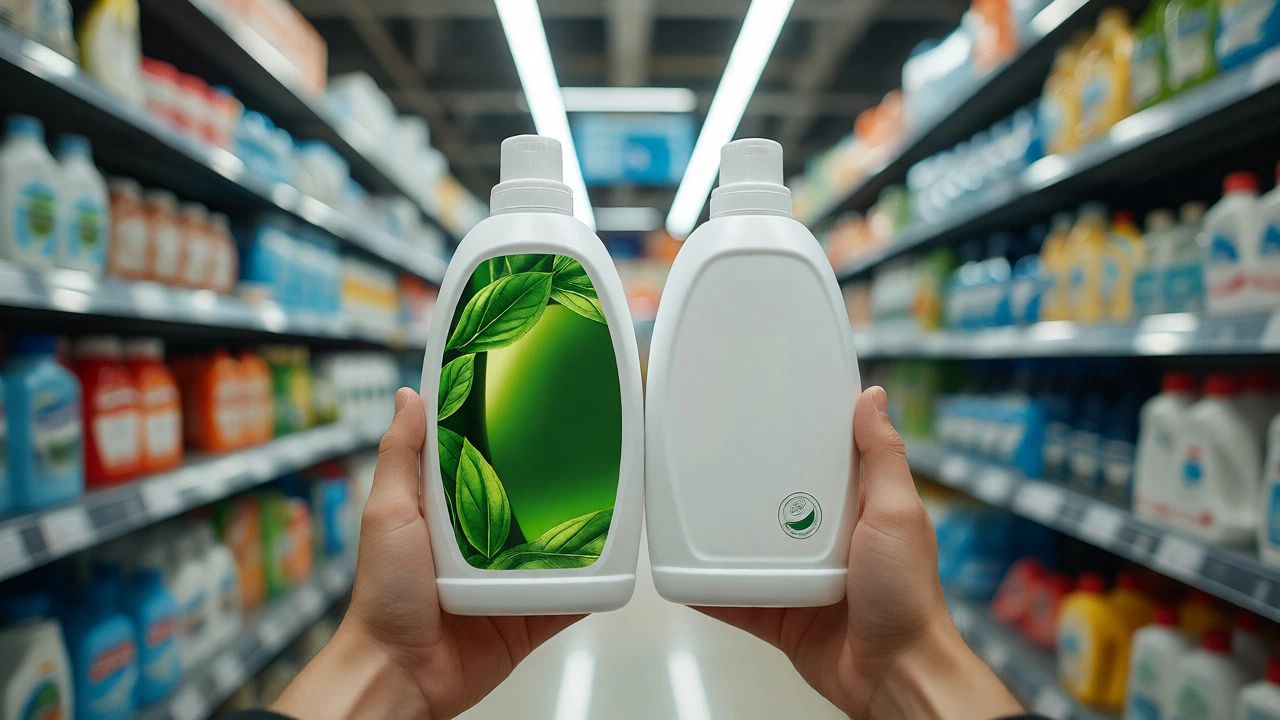
You’re standing in the aisle of a supermarket, holding two bottles of laundry detergent. One label screams "Eco-Friendly" in leafy green font. The other proudly displays "Green Certified." They look identical. They smell similar. But are they actually doing the same thing for the planet? Probably not. This confusion is everywhere, and it’s costing you money and peace of mind.
The terms "green" and "eco-friendly" get thrown around so loosely that they’ve lost their sharp edges. Marketing teams love them because they sound good. Consumers buy them because they want to feel like they’re making a choice that matters. But here’s the hard truth: these words mean different things, and knowing the difference helps you spot greenwashing from miles away. Let’s break down what each term actually implies, where they overlap, and how to make sure your purchases aren’t just pretty lies.
Decoding "Green": The Color of Marketing
When you see the word "green," think broad strokes. It’s an umbrella term. In marketing speak, "green" usually refers to anything that claims to have some positive impact on the environment. It doesn’t necessarily mean the product is perfect. It might mean the packaging is recyclable. Or maybe the company planted ten trees last year. Or perhaps they switched from plastic bags to paper ones.
Green products are goods or services that claim to reduce environmental harm compared to conventional alternatives. Notice the word "claim." There’s no strict legal definition for "green" in most countries. It’s subjective. A product can be called green because it uses less water, even if it’s still packaged in non-recyclable plastic. Because the bar is low, companies use this term freely. It’s safe. It’s vague. And it’s often used as a hook rather than a promise.
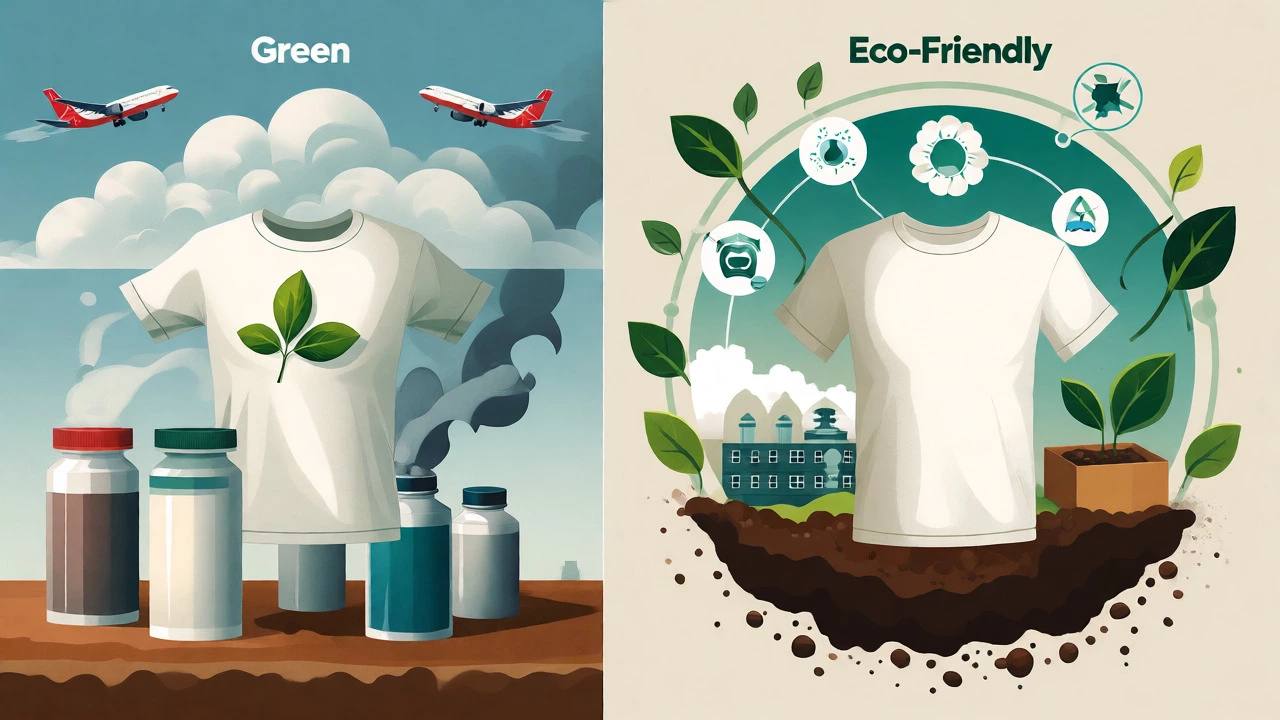
Think about fast fashion brands releasing a "Conscious Collection." They call it green. But if those shirts are made from virgin polyester and shipped across the globe, is it really green? Maybe slightly greener than the alternative, but hardly sustainable. That’s the trap. "Green" tells you they’re trying. It doesn’t tell you how well they’re doing.
Defining "Eco-Friendly": The Science of Impact
Now, let’s talk about eco-friendly. This term carries more weight. It comes from "ecology," the scientific study of interactions between organisms and their environment. So, when something is labeled eco-friendly, it should theoretically mean it causes minimal harm to ecosystems throughout its entire lifecycle.
This is where things get technical. An eco-friendly product considers everything: raw material extraction, manufacturing energy, transportation emissions, usage phase, and end-of-life disposal. If a bamboo toothbrush is made with toxic glues and shipped from China in plastic blister packs, is it truly eco-friendly? Many would argue no. True eco-friendliness requires a holistic view.
Unlike "green," which can be a vibe, "eco-friendly" implies a measurable reduction in negative environmental impact. It suggests that the product has been assessed against specific ecological standards. While still not perfectly regulated, the term leans closer to science than sentiment. It asks: Does this product disrupt the natural balance? If the answer is yes, it fails the test.
The Overlap and The Gap
Here’s where people get tripped up. All eco-friendly products are green, but not all green products are eco-friendly. Imagine a Venn diagram. The circle for "Green" is huge. The circle for "Eco-Friendly" is smaller and sits inside it. Why? Because being eco-friendly is harder to achieve. You have to prove it.
Let’s look at a concrete example. Consider cotton t-shirts. A "green" shirt might be organic cotton, which is better for soil health. Great start. But if that shirt is dyed with heavy metals and washed using harsh chemicals, its overall ecological footprint remains high. An eco-friendly shirt would use organic cotton, natural dyes, renewable energy in production, and biodegradable packaging. The difference isn’t just in the fiber; it’s in the system.
| Attribute | Green Products | Eco-Friendly Products |
|---|---|---|
| Primary Focus | General environmental awareness | Minimizing ecosystem disruption |
| Lifecycle Assessment | Often partial (e.g., just packaging) | Comprehensive (cradle-to-grave) |
| Regulation Level | Low (mostly voluntary claims) | Moderate (often tied to certifications) |
| Common Pitfalls | Greenwashing, vague claims | Higher cost, limited availability |
| Consumer Trust | Lower due to ambiguity | Higher if certified by third parties |
Spotting Greenwashing in the Wild
Since "green" is so easy to slap on a label, it’s the favorite tool of greenwashers. Greenwashing happens when a company spends more time and money advertising themselves as environmentally responsible than actually implementing practices that minimize their environmental impact. It’s a smokescreen.
You’ll see it everywhere. A bottle of water labeled "100% Natural Spring Water" in a single-use plastic container. Sure, the water is natural. But the plastic? Not so much. Or a hotel that says "Save the Planet, Reuse Your Towels." That saves water, yes. But if the hotel serves breakfast on disposable plates and uses industrial-grade chemical cleaners, their commitment is thin.
How do you spot it? Look for specificity. Vague words like "natural," "pure," and "earth-friendly" are red flags. Instead, look for data. Does the label say "Made from 50% post-consumer recycled content"? That’s specific. Does it list the source of the materials? That’s transparent. Specificity kills greenwashing. Ambiguity feeds it.
Why Certifications Matter More Than Labels
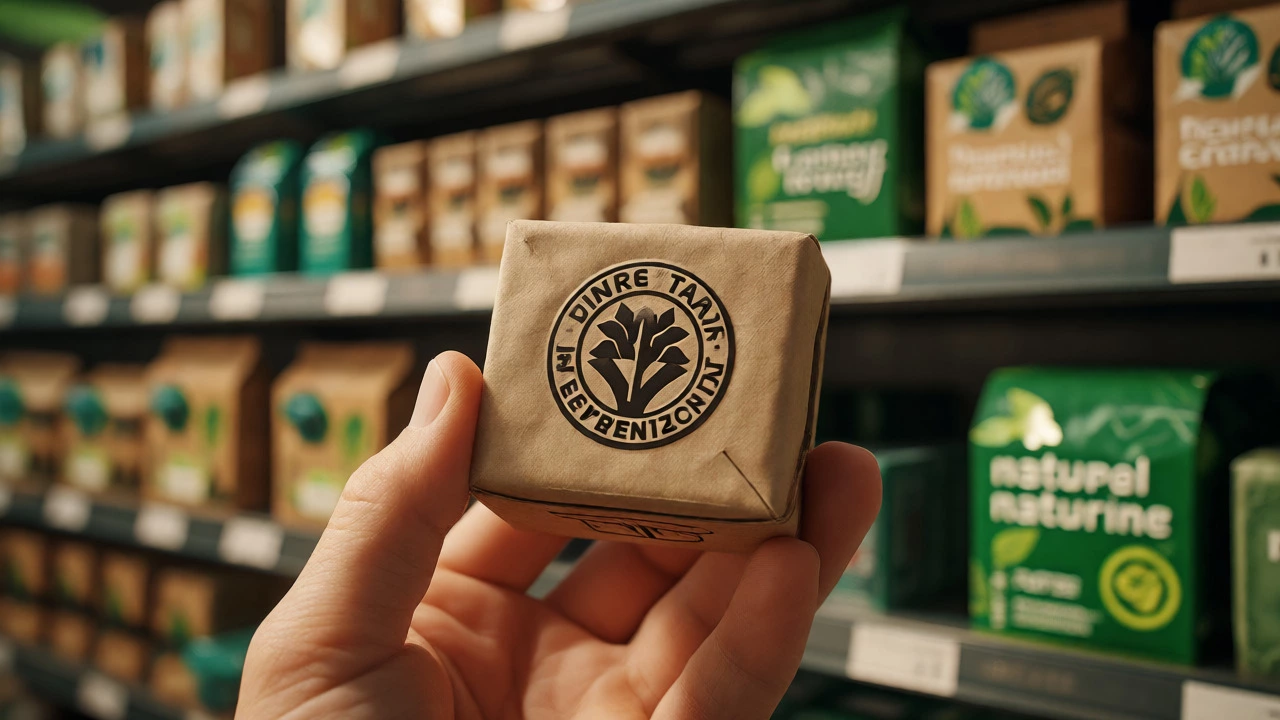
If you can’t trust the words, who can you trust? Third-party certifications. These are independent organizations that audit products against strict criteria. They don’t care about your marketing budget; they care about your supply chain.
For example, FSC (Forest Stewardship Council) certification ensures wood products come from responsibly managed forests. Energy Star verifies that electronics meet energy efficiency guidelines set by the EPA. USDA Organic guarantees food is produced without synthetic pesticides or fertilizers.
These logos do the heavy lifting for you. They translate complex ecological impacts into a simple visual cue. When you see a FSC logo on paper, you know the tree was harvested sustainably. When you see Energy Star on a fridge, you know it uses less electricity than standard models. Don’t rely on the brand’s self-declaration. Rely on the auditor’s stamp.
Practical Tips for Conscious Shopping
So, how do you navigate this minefield without losing your mind? Start small. You don’t need to overhaul your life overnight. Here’s a quick checklist to help you distinguish real impact from marketing fluff:
- Check the Materials: Is it biodegradable, compostable, or recyclable? If it’s mixed materials (like plastic and metal glued together), it’s likely unrecyclable.
- Look for Durability: The most eco-friendly product is the one you don’t have to replace every six months. Quality over quantity always wins.
- Research the Brand: Do they publish sustainability reports? Are they transparent about their factories? Transparency is a key indicator of genuine effort.
- Ignore the Color Green: Just because the package is green doesn’t mean the product is. White boxes with black text can be more sustainable than flashy green ones.
- Consider Local: Buying local reduces transportation emissions. A locally made ceramic mug is often more eco-friendly than an imported bamboo cup, even if the bamboo is technically "greener."