Garden Planning: Smart Ways to Design a Low-Maintenance, Thriving Garden
When you start with garden planning, the intentional design of outdoor growing spaces to match your environment, goals, and available time. Also known as landscape design, it’s not about making a perfect lawn—it’s about setting up your garden so it thrives with minimal daily work. Most people think gardening means hours of weeding, watering, and fussing. But the best gardens? They’re the ones that barely ask for attention. That’s because smart garden planning skips the guesswork and builds in habits that do the work for you.
It starts with soil preparation, the foundation of any healthy garden, involving testing, amending, and structuring the earth to support plant growth. You don’t need expensive kits. Just check if your soil drains well, add compost if it’s too dense, and mulch to hold moisture. Poor soil makes every other step harder. Then there’s lazy gardener, a practical approach to gardening that prioritizes efficiency, using native plants, mulch, and natural systems to reduce labor. It’s not laziness—it’s strategy. Pick plants that already grow well in your area. Use mulch to block weeds and cut watering in half. Let grass grow a little longer. These aren’t shortcuts; they’re upgrades.
And when it comes to feeding your plants, organic fertilizer, natural materials like compost, manure, or plant-based blends that slowly release nutrients without harming soil life. isn’t just trendy—it’s smarter. Chemical fertilizers burn roots and kill microbes. Organic options feed the soil, not just the plant. That means your tomatoes, herbs, and flowers get steady food, year after year. You’ll see fewer pests, stronger roots, and less need to reapply. Plus, coffee grounds? They’re not just for your morning cup. Used right, they add nitrogen and improve soil texture—just don’t dump them straight on seedlings.
Good garden planning also means thinking ahead. Where will your plants be in three years? Will that sunflower shade out your lettuce? Will rainwater flow toward your veggie beds or away from them? A few minutes of layout planning saves hours of moving plants later. You don’t need fancy tools—just a notebook, a ruler, and maybe a free app to track sun patterns. Start small. Pick one corner. Test one new plant. See what works. Then expand.
What you’ll find below isn’t a list of perfect gardens. It’s a collection of real, tested ideas from people who want to grow food, flowers, or just peace—without burning out. You’ll learn how to till soil the right way, which fertilizers actually work in 2025, why some people call themselves lazy gardeners (and why they’re the ones with the healthiest plots), and how coffee grounds can help—or hurt—your plants. No fluff. No hype. Just what works, when, and why.
What Are the 10 Steps to Planting a Garden?
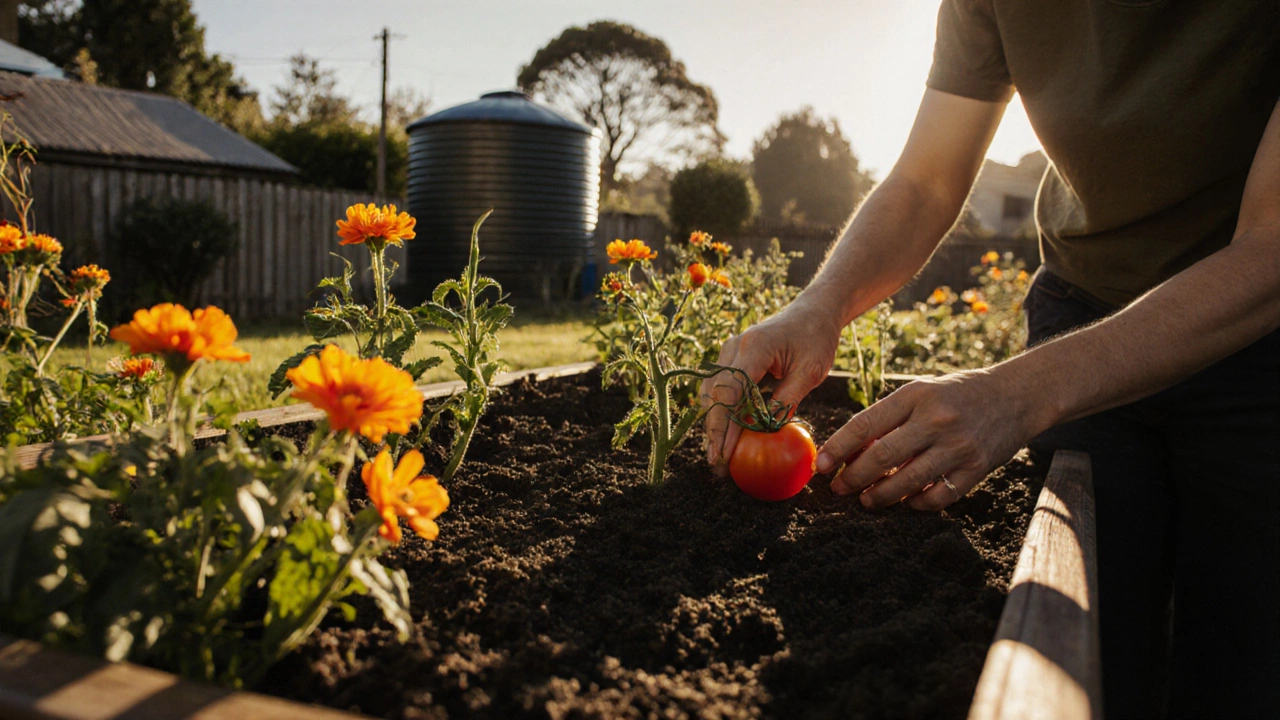
Learn the 10 practical steps to plant a successful garden, whether you're in Wellington or just starting out. From soil prep to watering, these tips work for beginners and small spaces.
Categories
RECENT POSTS

What Is the Hardest Thing About Gardening?
The hardest thing about gardening isn't pests, soil, or weather - it's patience. Real gardening takes time, observation, and accepting that growth can't be rushed. Learn why waiting is the most important skill.

Is Thinking, Fast and Slow Overrated? An Honest Review
We analyze whether Daniel Kahneman's Thinking, Fast and Slow is a must-read or just hype. Discover if the book offers practical value or just academic theory, and find better alternatives for action-oriented readers.

3 Key Benefits of Practicing Mindfulness
Discover three powerful ways mindfulness can lower stress, sharpen focus, and boost emotional wellbeing, backed by science and real‑life tips.

How to Quiet Your Mind: Practical Mindfulness Techniques for Mental Clarity
Learn practical mindfulness techniques to quiet your mind and reduce stress. Discover effective methods like breath anchoring and body scanning to manage mental chatter.

Can You Use Your US Cell Phone in London? Guide to Connecting Seamlessly Abroad
Curious if your US phone works in London? Learn about roaming, SIM cards, phone compatibility, and data tips to avoid headaches and huge bills abroad.