Gift Etiquette and Minimalism: How to Give Thoughtfully Without the Clutter
When you think about gift etiquette, the unwritten rules around giving presents with respect, timing, and intention, it’s easy to assume it’s all about wrapping paper, cards, and grand gestures. But in today’s world, minimalism, a lifestyle focused on owning less and valuing what truly matters is changing those rules—and for the better. Minimalist gifts, thoughtful, useful, and free of excess aren’t about being cheap—they’re about being real. They cut through the noise of consumer culture and say, "I see you, I know you, and I care enough to give you something that fits your life, not my expectations."
Why does this matter? Because most gifts end up in drawers, garages, or worse—landfills. A study by the Environmental Protection Agency found that Americans generate 25% more waste between Thanksgiving and New Year’s. That’s not just plastic and wrapping paper—it’s emotional clutter too. When you give a sustainable gifting, choosing presents that reduce waste, support ethical makers, or last longer than a season, you’re not just avoiding junk—you’re honoring the person you’re giving to. Minimalism doesn’t mean giving nothing. It means giving better. A handmade candle from a local artisan, a book that changed your life, a cooking class, or even a handwritten letter with a promise to spend time together—these aren’t just gifts. They’re experiences, memories, and signals of deep understanding.
And here’s the truth: gift etiquette today isn’t about how much you spend—it’s about how well you listen. The person who hates clutter doesn’t want another sweater they’ll never wear. The person who’s always tired doesn’t need another gadget. They need space, peace, or a moment of real connection. Minimalism teaches us to give with intention, not obligation. It’s why so many of the posts in this collection—like "Why Minimalists Wear Black" and "How to Choose the First Room to Declutter"—aren’t just about tidying up. They’re about making space for what actually matters. Whether you’re giving to a friend, family member, or coworker, the best gift isn’t the most expensive one. It’s the one that doesn’t ask for anything in return except to be used, felt, or remembered.
What you’ll find here aren’t just lists of "10 minimalist gift ideas." You’ll find real stories, practical frameworks, and honest conversations about how to give without guilt, how to receive without pressure, and how to make gifting feel human again. These posts don’t tell you what to buy—they help you understand what to offer. And sometimes, the most powerful gift isn’t something you wrap. It’s something you stop doing: the pressure to perform, the habit of over-giving, the fear of being seen as "too simple." This collection is your guide to giving with clarity, care, and quiet confidence.
What Do Minimalists Do With Gifts? Practical Ways to Receive Without Clutter
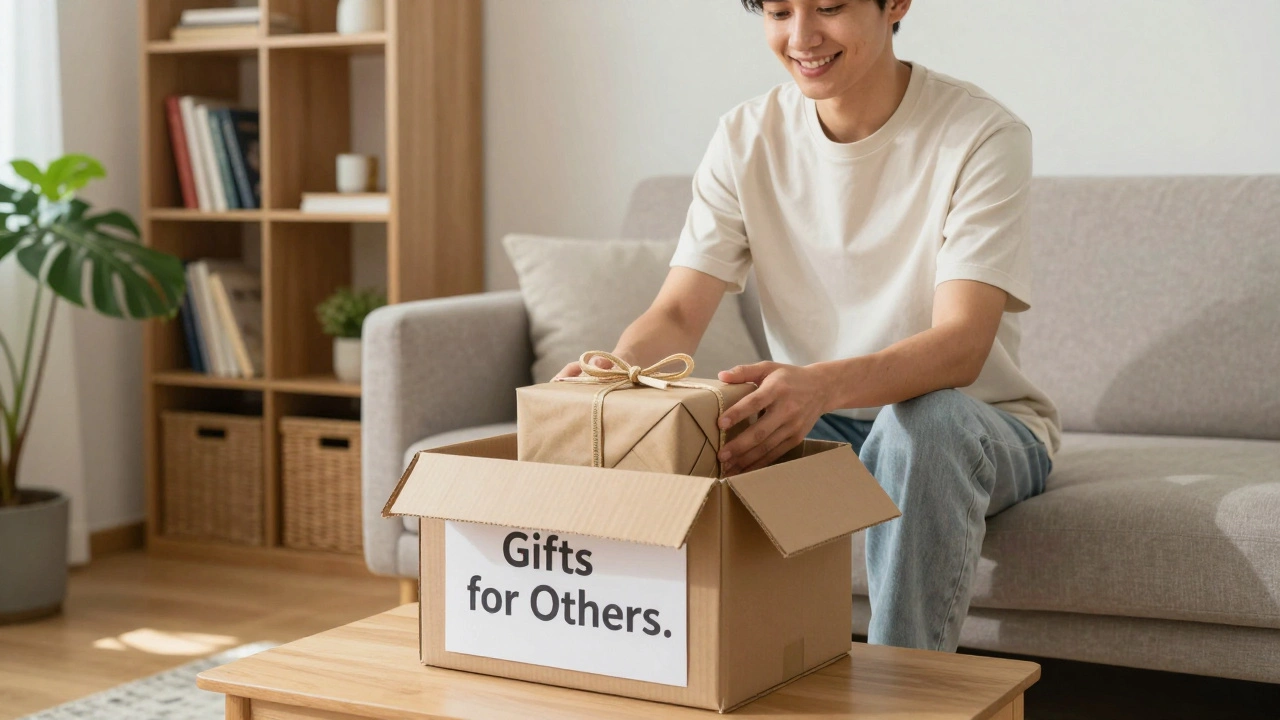
Minimalists don't reject gifts-they reframe them. Learn how to receive thoughtfully, let go guilt-free, and turn unwanted presents into meaningful connections without adding clutter to your life.
Categories
RECENT POSTS

What Color Clothes Make You Look Rich? The Real Science Behind Luxury Perception
The right colors make you look rich-not the price tag. Discover which shades create luxury perception and how to use them to elevate your style without spending more.

What Falls Under Mental Wellbeing? A Simple Breakdown of Key Areas
Mental wellbeing includes emotional health, stress management, connection, self-care, purpose, movement, boundaries, and self-compassion. It's not about being perfect-it's about showing up for yourself daily.
Discover Your Signature Style: A Step‑by‑Step Guide
Learn how to uncover your personal fashion identity with practical steps, color guides, body‑shape tips, core wardrobe basics, and a quick style quiz.
Healthiest Clothing: Best Fabrics for Skin & Wellness
Learn which fabrics are truly skin‑friendly, how to spot low‑toxin certifications, and care tips to keep your wardrobe healthy and sustainable.

Life-Changing Books: Stories That Shape Who We Become
Explore how a single book can change your life. Discover stories, research, and top tips for finding the book that could spark your next big transformation.