Mental Toughness: How to Build Resilience in Everyday Life
When we talk about mental toughness, the ability to stay focused, calm, and persistent under pressure. Also known as resilience, it's not something you're born with—it's something you build, one small choice at a time. You don’t need to push through pain or ignore your feelings. Real mental toughness means knowing when to pause, when to reset, and how to keep going without burning out.
It shows up in simple ways: choosing to breathe instead of snap when you’re overwhelmed, sticking to a routine even when motivation’s low, or walking away from drama instead of getting pulled in. These aren’t grand gestures—they’re quiet habits. And they’re backed by science. Studies show that people who practice mindfulness, paying attention to the present moment without judgment for just five minutes a day see measurable drops in stress and better emotional control. That’s mental toughness in action. It’s also linked to stress management, the practical skills you use to handle pressure without letting it control you. You don’t need to meditate for an hour. You don’t need to run marathons. You just need to notice when you’re spiraling and gently bring yourself back.
What you’ll find here isn’t a list of motivational quotes. It’s a collection of real, tested ways people are building mental toughness without the fluff. You’ll see how mindfulness fits into daily life, how eating well and moving your body quietly strengthen your inner resilience, and how even something as simple as decluttering your space can clear mental clutter. These posts don’t promise overnight change. They show you how small, consistent steps—like choosing healthy meals on a budget, learning to spot greenwashing in fashion, or knowing where to walk safely in London—add up to a stronger, calmer mindset. This isn’t about being tough. It’s about being steady. And that’s something anyone can learn.
How to Build Mental Strength and Overcome Mental Weakness

Discover how to build mental strength and stop feeling mentally weak with proven strategies, science-backed advice, and easy-to-follow tips.
Categories
RECENT POSTS
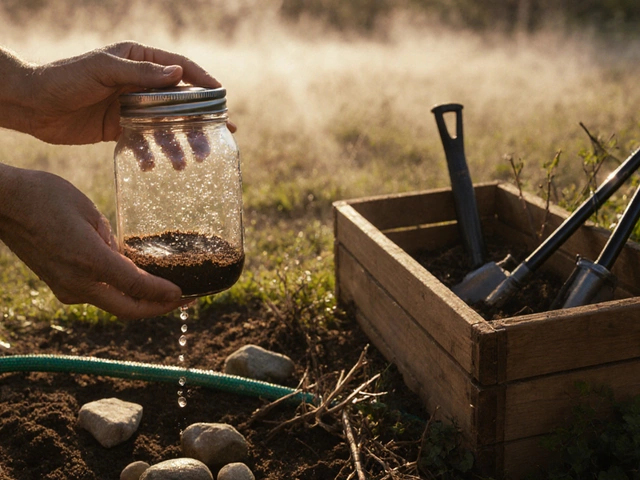
How to Till a Garden for the First Time - Step‑by‑Step Guide
A step‑by‑step guide for beginners that explains why tilling matters, how to pick tools, prepare soil, till correctly, and avoid common pitfalls.

What Are the 4 Pillars of a Healthy Lifestyle?
The four pillars of a healthy lifestyle are sleep, nutrition, exercise, and stress management. Together, they create a foundation for lasting energy, focus, and resilience - without diets or extreme routines.
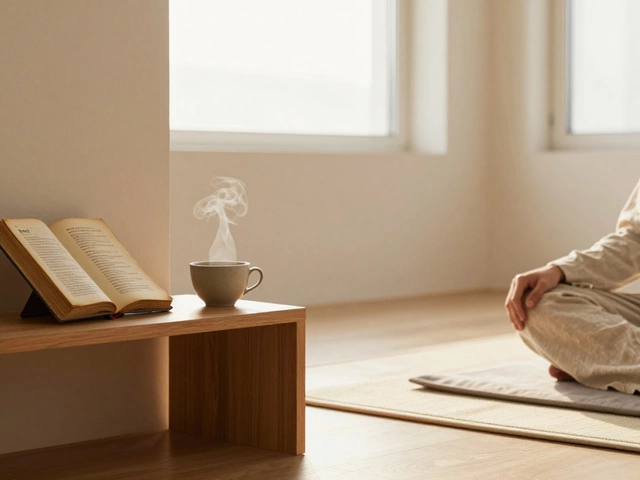
Do Minimalists Believe in God? Exploring Spirituality in Simple Living
Minimalism isn't about rejecting belief-it's about removing noise to find what truly matters. Some minimalists find God. Others find meaning without it. What they share is intention.

What Is the Best Type of Reading Before Bed for Better Sleep?
The best reading before bed isn't about self-help or thrillers-it's about books that calm your mind, not charge it. Discover the quiet genres and titles that help you fall asleep faster and sleep deeper.

What is the 1 most unhealthy food in the world? The real answer
Discover why processed meat is considered the most unhealthy food globally. Learn about nitrates, cancer risks, and simple swaps to protect your health.