Cost Per Wear Calculator: The Rethink Tool
The article explains that a $200 jacket worn 100 times costs just $2 per wear, while a $20 blouse worn twice costs $10 per wear. Use this tool to calculate your own Cost Per Wear (CPW) and discover which purchases truly offer better value.
Fast fashion is cheap. That’s the problem. You can buy a trendy top for five dollars, wear it twice, and toss it because it fell apart or simply didn’t match your vibe anymore. But that $5 tag hides a massive cost in water waste, carbon emissions, and textile landfill overflow. If you want to dress well without wrecking the planet, you need a new framework. Enter the 7 Rs of sustainable fashion. This isn't just a catchy acronym; it's a practical hierarchy that helps you make smarter choices every time you shop-or decide not to.
We’ve all heard of "Reduce, Reuse, Recycle." Those are the basics. But when we apply them specifically to the complex world of textiles and garment production, we need more nuance. The expanded list gives us specific actions to take, moving from the most impactful (doing less) to the least impactful (recycling). Let’s break down each R so you can actually use them in your daily life.
1. Refuse: Say No to Unnecessary Consumption
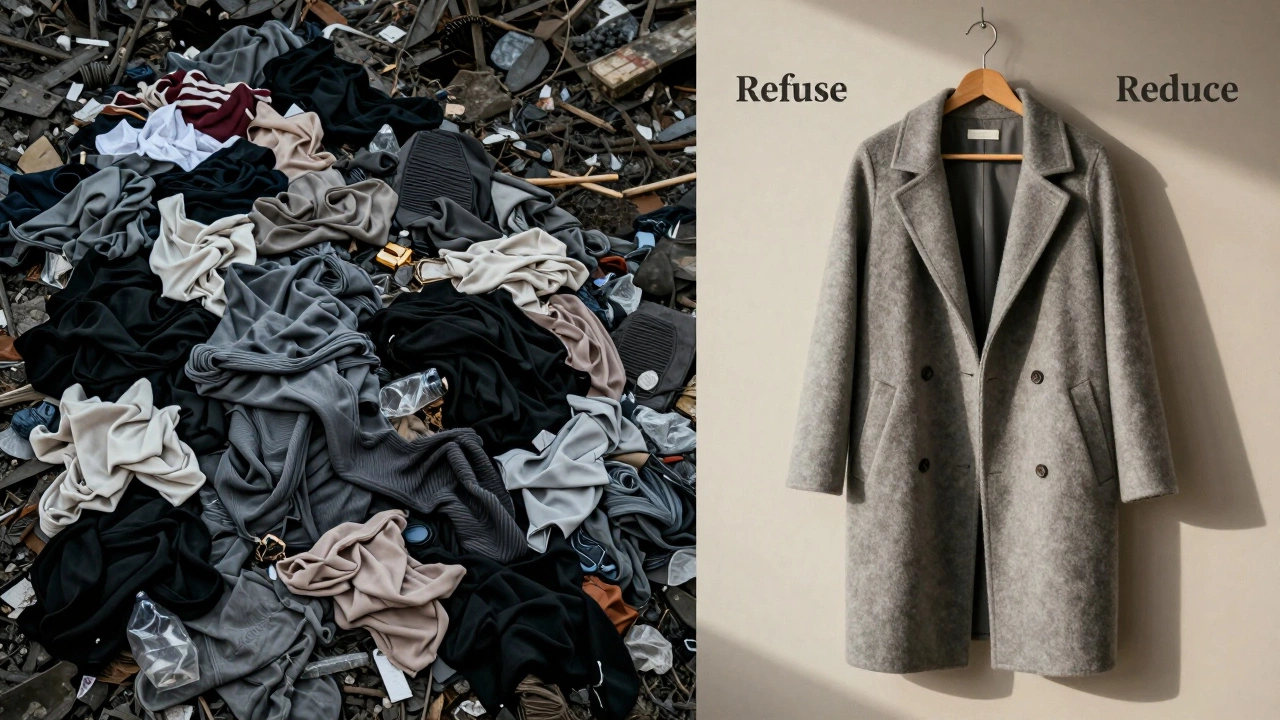
The first step is often the hardest because it goes against everything marketing tells us. Refuse means saying no to things you don’t need. In the context of fashion, this starts with resisting impulse buys. Think about the last item you bought on a whim. Did you wear it? Or did it sit in your closet, gathering dust?
Refusing also means rejecting greenwashing. Brands love to slap an "eco-friendly" label on a polyester shirt because they used a recycled bottle. But if the shirt sheds microplastics every time you wash it, is it really sustainable? Refuse products made from virgin synthetics like polyester, nylon, and acrylic whenever possible. These materials are essentially plastic derived from fossil fuels. By refusing these items at the point of purchase, you stop the demand chain before it even starts.
- Avoid promotional freebies unless you genuinely need them.
- Say no to "trending" items that will feel outdated in three months.
- Reject brands that don’t disclose their supply chain information.
2. Reduce: Buy Less, Choose Well
If you can’t refuse it entirely, reduce how much you consume. This is the core philosophy of slow fashion. It’s not about buying zero clothes forever; it’s about curating a wardrobe that works for you. The goal is to lower your overall volume of purchases while increasing the quality of what remains.
Reducing has a direct impact on your carbon footprint. The fashion industry accounts for approximately 10% of global carbon emissions. Every time you skip a shopping trip, you save energy, water, and labor. Try implementing a "one in, one out" rule. If you buy a new pair of jeans, donate or sell an old pair. This keeps your closet size manageable and forces you to think critically about whether the new item truly earns its spot.
Focus on versatility. A high-quality wool coat lasts decades and works across seasons. Five cheap fast-fashion coats might look different but will likely pill, lose shape, and end up in a landfill within two years. Quality over quantity is the mantra here.
3. Rethink: Change Your Perspective on Value
Rethinking challenges the way we view clothing. We often see garments as disposable commodities rather than durable goods. This shift in mindset is crucial for long-term sustainability. Ask yourself: What is the true cost of this item? Not just the price at the register, but the environmental and social cost of making it.
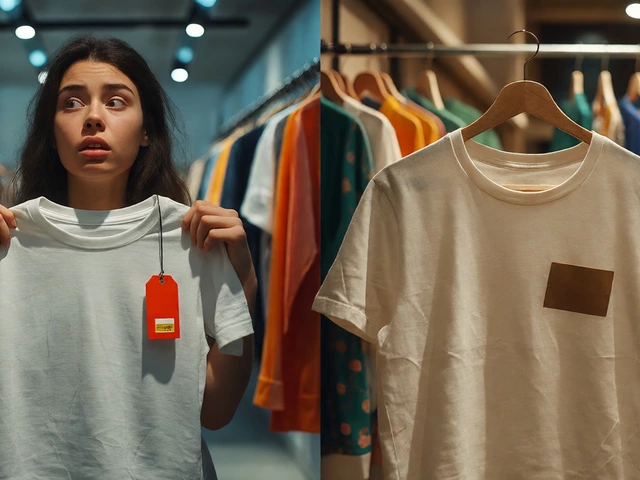
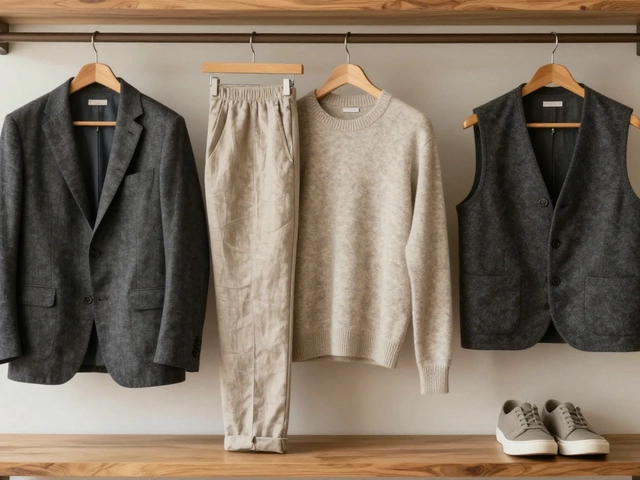
Consider the concept of Cost Per Wear (CPW). If you spend $200 on a jacket and wear it 100 times, the CPW is $2. If you spend $20 on a blouse and wear it twice before it shrinks, the CPW is $10. Rethinking involves calculating this mental math before you buy. It encourages you to value durability, repairability, and timeless design over fleeting trends.
You should also rethink where you get inspiration. Instead of scrolling through fast-fashion hauls on social media, follow creators who focus on capsule wardrobes, styling tricks, and vintage finds. Changing your input changes your output.
4. Repair: Extend the Life of What You Own
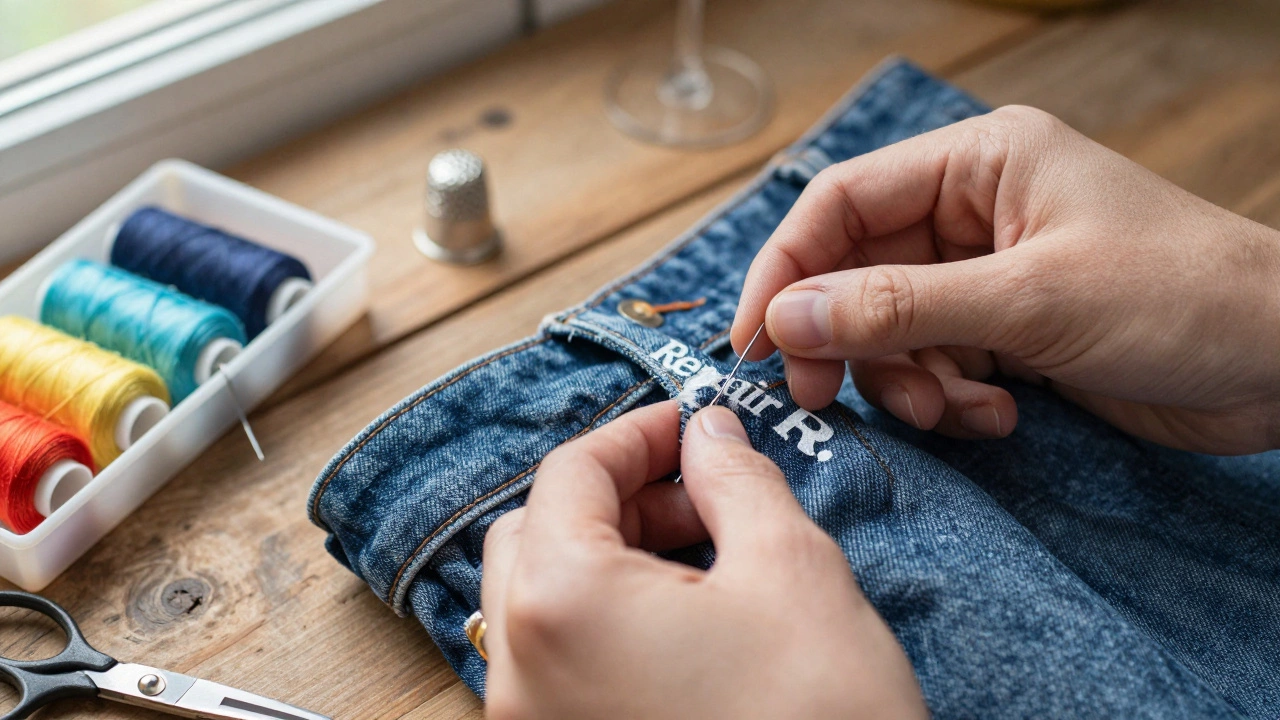
In a throwaway culture, repairing feels radical. Yet, it is one of the most effective ways to combat textile waste. When a button falls off or a seam splits, the instinct for many is to toss the item. Stop. Learn basic sewing skills. Fixing a hole, replacing a zipper, or darning a sock can add years to a garment’s life.
If you can’t sew, find a local tailor or cobbler. Supporting local repair businesses keeps money in your community and preserves traditional crafts. Many cities now have "repair cafés" where volunteers help fix broken items, including clothes. This builds community connection while reducing waste.
Brands are also starting to offer repair services. Some outdoor companies, for example, will patch holes in tents or jackets for free. Look for brands that stand behind their products long after the sale. Repairing transforms a piece of clothing from a single-use object into a cherished heirloom.
5. Reuse: Give Clothes a Second Life
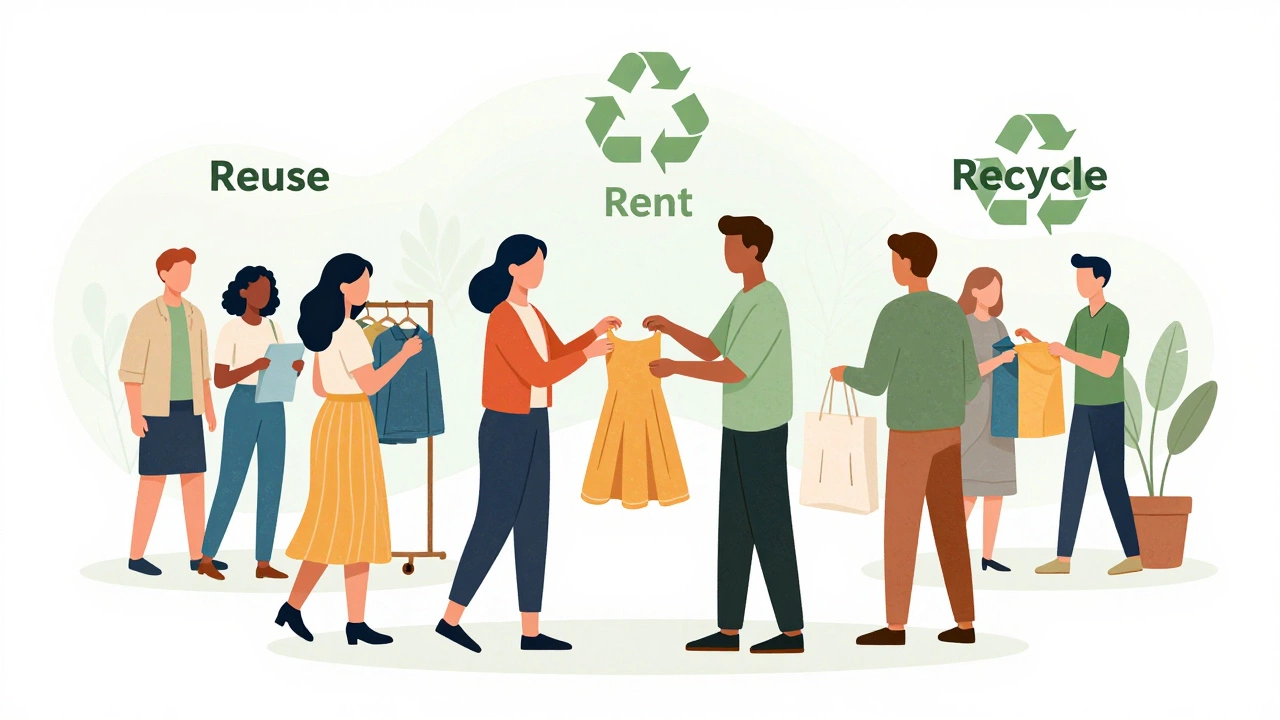
Reuse happens in two directions: finding pre-loved items and passing yours on. Thrifting, vintage shopping, and using peer-to-peer resale platforms are excellent ways to reuse existing stock. The environmental impact of a secondhand garment is significantly lower than that of a new one because the resource-intensive production phase has already occurred.
When you’re done with an item, don’t just bin it. Clean it, mend any small issues, and pass it along. Donate to reputable charities, sell on apps like Depop or Vinted, or swap with friends. Upcycling is another form of reuse-turning an old pair of jeans into shorts or a tote bag. Creativity plays a big role here. Seeing potential in discarded items reduces the pressure to buy new.
| Factor | New Fast Fashion | Secondhand/Vintage |
|---|---|---|
| Carbon Footprint | High (production + transport) | Low (minimal additional processing) |
| Water Usage | Very High (especially cotton) | Negligible |
| Uniqueness | Mass-produced, common | One-of-a-kind, distinctive |
| Cost | Low upfront, high long-term | Variable, often better value |
6. Rent: Access Over Ownership
For occasions where you need something special but won’t wear it again, renting is the smart choice. Wedding guests, interview outfits, or festival looks are perfect candidates for rental services. The business model shifts from ownership to access. You pay for the utility of the garment for a short period, then return it.
Renting reduces the need for low-utilization items to clutter closets. It also supports a circular economy where garments are professionally cleaned and maintained for multiple users. While rental services have their own environmental costs (cleaning and shipping), they are generally lower than manufacturing a new item for a single event. As the market grows, logistics are becoming more efficient, further lowering the impact.
7. Recycle: The Last Resort
Recycling gets all the glory, but in the hierarchy of sustainability, it’s the least effective option. Why? Because textile recycling is technologically challenging. Mixed fabrics (like a poly-cotton blend) are difficult to separate and process. Mechanical recycling often shortens fibers, resulting in lower-quality material suitable only for insulation or stuffing, not new clothes.
However, recycling still has a place. When an item is beyond repair or reuse, ensure it doesn’t go to a landfill. Look for textile recycling bins in your area or programs offered by brands that take back old clothes. Chemical recycling technologies are emerging that can break down fibers back to their molecular level, creating new yarn. This is promising but currently expensive and not yet scaled globally.
Treat recycling as the final exit strategy for your clothes, not the primary solution. Always prioritize the earlier Rs first.
Putting the 7 Rs Into Practice
Adopting the 7 Rs doesn’t happen overnight. Start with one R. Maybe this month, you focus on Refusing impulse buys. Next month, try Repairing a torn hem. Gradually, these habits compound. You’ll notice your wardrobe becoming more cohesive, your spending decreasing, and your guilt diminishing.
Sustainable fashion isn’t about perfection. It’s about progress. It’s about recognizing that our choices matter and aligning them with our values. By following this framework, you contribute to a system that respects people, animals, and the planet. And honestly? Your style ends up looking better too, because intentional dressing always beats chaotic consumption.
What is the difference between the 3 Rs and the 7 Rs?
The original 3 Rs (Reduce, Reuse, Recycle) are a general waste management framework. The 7 Rs expand this specifically for consumption and fashion, adding Refuse, Rethink, Repair, and Rent. These additions emphasize prevention and lifecycle extension over end-of-pipe solutions like recycling.
Is renting clothes actually sustainable?
Renting can be sustainable for low-wear items like formalwear or costumes. However, the environmental impact depends on the cleaning methods and shipping distances. Local rentals with eco-friendly cleaning practices are the best option. For everyday wear, buying secondhand or owning durable pieces is usually better.
How do I start repairing my clothes if I can't sew?
Start with simple fixes like iron-on patches or fabric glue for minor tears. For more complex repairs, search for "repair café" events in your city or look up local tailors. Many YouTube tutorials teach basic hand-sewing techniques that require minimal equipment.
Why is recycling considered the last resort?
Textile recycling is energy-intensive and technically limited. Most recycled textiles become lower-grade products (downcycling) rather than new clothes. Preventing waste through reduction and reuse saves far more resources than trying to recycle items after they are discarded.
What materials should I refuse according to the 7 Rs?
Prioritize refusing virgin synthetic fibers like polyester, nylon, and acrylic, which shed microplastics and rely on fossil fuels. Also avoid blends that are hard to recycle. Opt for natural, biodegradable fibers like organic cotton, linen, hemp, or wool when possible.