Energy Tracker & Work Scheduling Tool
Track Your Energy Levels
Follow the article's recommendation: Log your energy levels for 3 days to identify patterns. Track when you feel sharp, tired, or drained.
Your Energy Patterns
There’s no single work-life balance that works for everyone. You’ve probably heard advice like "work less, live more" or "set boundaries," but those phrases sound nice on a poster and fall apart when your boss texts at 10 p.m. or your kid gets sick on a Monday. The truth? Work-life balance isn’t a fixed point-it’s a shifting rhythm you build over time, based on your life stage, job, and what actually matters to you.
It’s Not About Equal Hours
A lot of people think work-life balance means 40 hours at work and 40 hours for everything else. That’s a myth. You can work 50 hours a week and still feel balanced if those hours are meaningful and you have real recovery time. Conversely, working 30 hours a week while constantly checking emails on weekends? That’s not balance-that’s burnout in slow motion.
What actually matters is control. Do you choose when you work? Can you say no without guilt? Do you have space to rest without feeling like you’re falling behind? People who feel balanced aren’t necessarily working fewer hours-they’re working in ways that fit their lives, not the other way around.
Start With Your Non-Negotiables
Before you tweak your schedule, list what you refuse to give up. These aren’t hobbies or nice-to-haves-they’re the things that keep you sane. For some, it’s cooking dinner with family every night. For others, it’s a 6 a.m. run or 30 minutes of silence before the day starts. Whatever it is, protect it like a meeting with your CEO.
One nurse in Auckland told me she never works on Sundays. Not because her job allows it, but because she blocks it out in her calendar and refuses to answer work calls. Her team knows. Her boss respects it. And she hasn’t called in sick in two years. That’s not luck-that’s boundary-setting.
Time Isn’t the Problem-Energy Is
Most people think they need more time. What they really need is better energy management. You can’t pour from an empty cup. And if you’re running on caffeine, guilt, and adrenaline, you’re not balancing work and life-you’re just surviving.
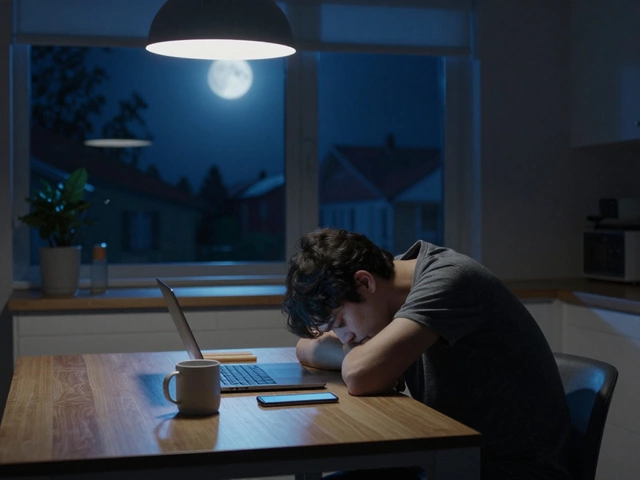
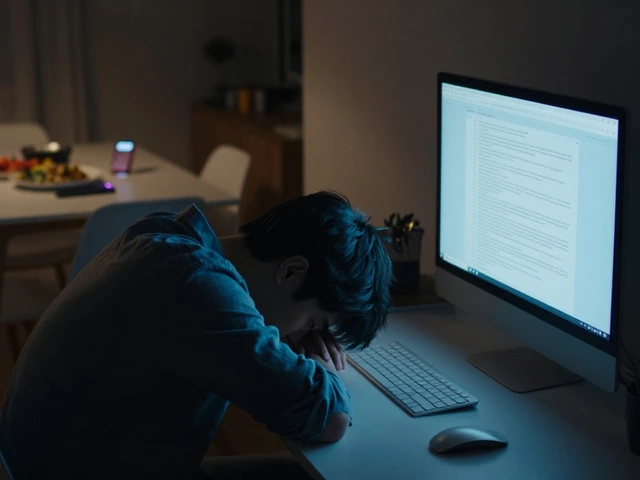
Try this: Track your energy for three days. Note when you feel sharp, tired, distracted, or drained. You’ll likely see patterns. Maybe you’re great at 8 a.m. but crash after lunch. Or maybe you’re creative late at night but useless before noon. Once you know your rhythm, schedule work around it. Save emails for low-energy times. Do deep work when you’re sharp. Move meetings to your peak hours.
A software developer in Wellington switched from 9-to-5 to 7-to-3, using the afternoons for walks, school pickups, and reading. His output didn’t drop. His mood improved. His wife noticed he stopped snapping at the kids.

Technology Is the Enemy (and the Ally)
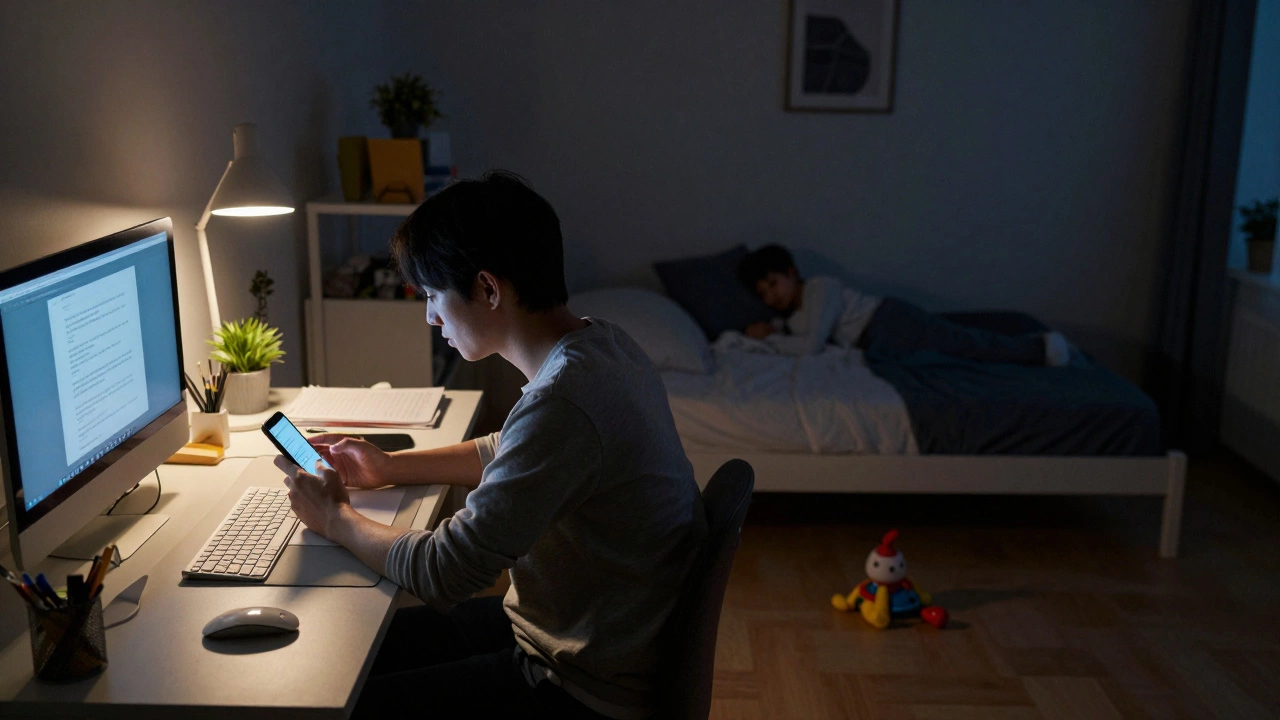
Smartphones made it possible to work anywhere-which means we work everywhere. That’s not flexibility. It’s erosion.
Start with two simple rules:
- Turn off work notifications after hours. Not just mute-turn them off. If it’s urgent, they’ll call.
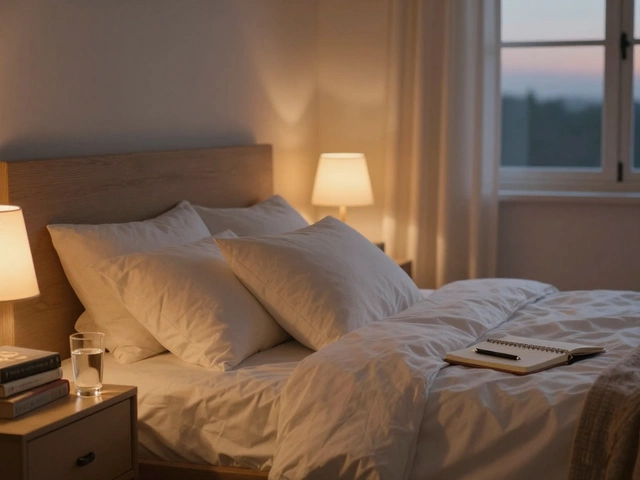
- Keep your bedroom device-free. No phones, no laptops. Sleep isn’t a luxury. It’s the foundation of every other part of your life.
One teacher in Christchurch deleted her work email app from her phone. She only checks it on her laptop during work hours. She said it felt like removing a parasite. She started sleeping through the night. Her students noticed she was more present.
Work Isn’t the Only Thing That Needs Balance
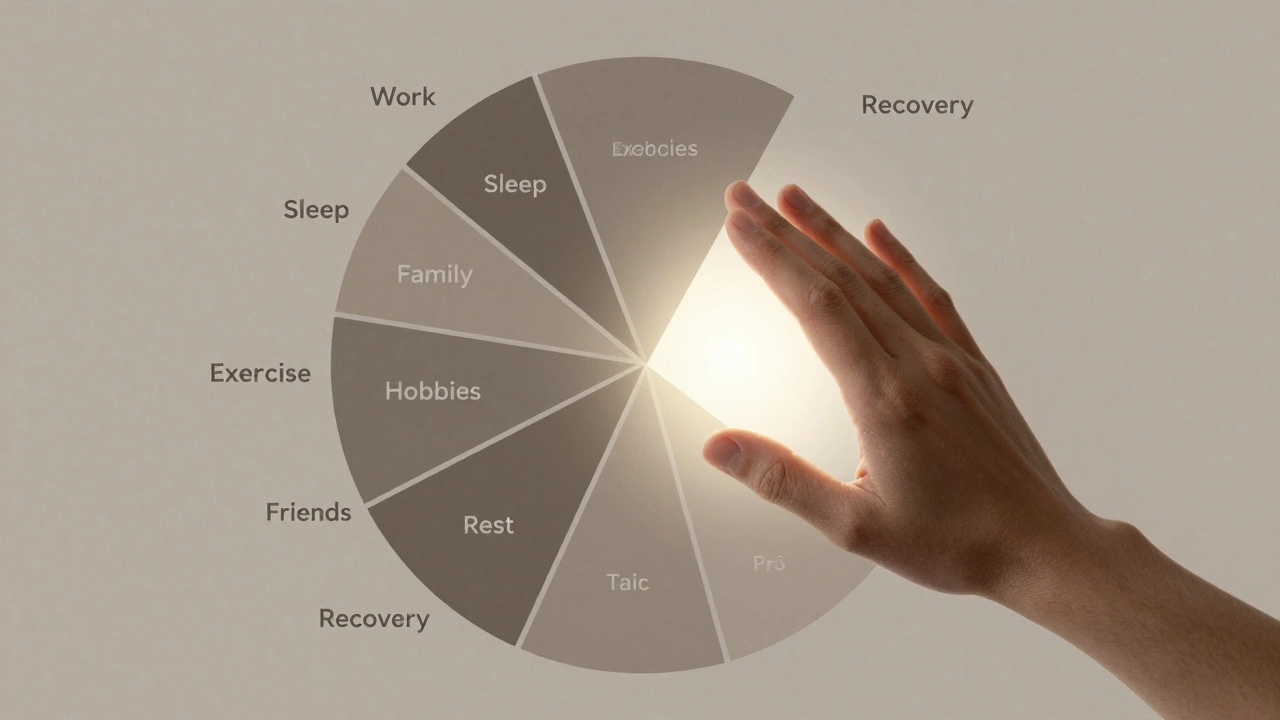
Work-life balance sounds like a tug-of-war between job and personal life. But what about family, friends, health, hobbies, and community? If you’re only trying to balance work and sleep, you’re missing half the picture.
Think of your life as a pie. Work is one slice. Sleep is another. Family, friends, exercise, hobbies, and downtime? Those are the rest. If one slice grows too big, the others shrink. And when they shrink, everything suffers.
A father in Napier realized he was spending more time scrolling through LinkedIn than playing with his daughter. He set a rule: no phone during breakfast or bedtime stories. He didn’t quit his job. He just stopped letting work steal moments he couldn’t get back.
It’s Not About Perfection-It’s About Recovery
There will be weeks when work takes over. Deadlines, emergencies, family crises-they happen. The key isn’t avoiding them. It’s building in recovery.
After a big project, plan a real break. Not a weekend of chores. A real one: a day off, a walk without headphones, a meal with friends where you don’t talk about work. Recovery isn’t passive. It’s intentional.
A project manager in Palmerston North schedules a "reset day" after every major deadline. She doesn’t answer emails. She doesn’t plan. She goes to the beach, reads fiction, and eats junk food. She says it’s the only thing that keeps her from quitting.
What Doesn’t Work
Some "balance" tips are just noise:
- "Just quit your job." (Not everyone can.)
- "Work from home." (That just moves the office to your couch.)
- "Meditate more." (If you’re exhausted, meditation won’t fix a toxic schedule.)
- "Use a planner." (If you’re too tired to use it, it’s just another thing on your to-do list.)
Real balance doesn’t come from tools. It comes from choices. Saying no. Setting limits. Protecting your time like it’s money you can’t earn back.
Start Small. Stay Consistent.
You don’t need to overhaul your life tomorrow. Pick one thing:
- Turn off notifications after 7 p.m.
- Take a 10-minute walk before work.
- Say no to one extra meeting this week.
- Block out Sunday afternoon for nothing.
Do it for a week. Then pick another. Progress isn’t about big changes. It’s about consistency. The best work-life balance isn’t found in a book. It’s built, one small choice at a time.
Is work-life balance different for remote workers?
Yes, but not because remote work is worse-it’s because the lines blur. Without a commute or physical separation between office and home, work can creep into every corner. Remote workers need even clearer boundaries: a dedicated workspace, fixed hours, and rituals to signal the start and end of the workday. For example, putting on shoes to start work and taking them off to end it can create mental separation. The goal isn’t to work less-it’s to work in ways that don’t invade your personal time.
Can you have good work-life balance in a high-pressure job?
Absolutely-but it requires more intentionality. High-pressure jobs often demand long hours, but balance isn’t about the number of hours. It’s about control. Can you choose when you’re on-call? Can you take real breaks without guilt? Can you delegate or push back on unreasonable demands? People in emergency services, law, and tech often maintain balance by carving out non-negotiable recovery time-even if it’s just 20 minutes a day to breathe. The key is protecting your energy, not your schedule.
Does work-life balance change as you get older?
Yes, and it should. In your 20s, you might prioritize career growth over downtime. In your 30s, family or health might become non-negotiable. In your 40s and beyond, recovery and sustainability matter more than hustle. What worked at 25 won’t work at 45. The mistake is sticking to old patterns. Balance isn’t static. It evolves with your priorities. Reassess every 12-18 months. Ask yourself: What’s worth protecting now? What can I let go of?
What if my employer doesn’t support work-life balance?
You still have power. You can’t control your company’s culture, but you can control your boundaries. Start small: stop checking emails after hours. Take your full lunch break. Use your vacation days. If you’re consistently overworked, document it-not to complain, but to show patterns. Then have a calm conversation: "I want to keep delivering results, but I need to protect my health to do that sustainably." Many managers don’t realize the cost of burnout until someone leaves. Protecting your well-being isn’t rebellion-it’s responsibility.
Is work-life balance a luxury?
It shouldn’t be. But for people working multiple jobs, gig work, or low-wage roles, it often feels unattainable. That’s a systemic issue, not a personal failure. Still, even in tough situations, small acts of self-protection matter. A 10-minute walk. A phone-free dinner. Saying no to one extra shift. These aren’t luxuries-they’re survival tools. True balance isn’t about having free time. It’s about having moments of control, even if they’re small. And those moments, over time, keep you from breaking.