Mindful Eating Guide
When you eat with full attention—really tasting, chewing, and noticing how food makes you feel—you’re practicing mindful eating, a way of eating that focuses on awareness, presence, and body signals rather than distractions or rules. Also known as conscious eating, it’s not about counting calories or cutting out foods. It’s about reconnecting with your body’s natural cues for hunger and fullness. Most people eat on autopilot: scrolling through phones, working at desks, or rushing between meetings. That’s why so many feel unsatisfied after meals—even when they’ve eaten enough. Mindful eating flips that. It turns meals into moments of calm, not just fuel stops.
This approach doesn’t require special diets or expensive tools. It works with any food, whether it’s a bowl of oatmeal, a sandwich, or leftovers. It’s linked to stress reduction through food, the idea that how you eat affects your nervous system as much as what you eat. When you slow down, your body shifts from fight-or-flight mode to rest-and-digest. That’s when digestion improves, cravings drop, and emotional eating loses its grip. You start noticing when you’re full before you’re stuffed. You realize you weren’t hungry in the first place—you were bored, tired, or anxious.
It also connects to eating awareness, the simple habit of paying attention to texture, smell, temperature, and flavor. Try this next time you eat: put your fork down between bites. Notice the first taste. How does it change as you chew? Does your body feel lighter or heavier after? These aren’t mystical practices. They’re basic human senses you’ve probably ignored for years. The posts in this collection show real ways people use mindful eating to break cycles of overeating, manage emotional triggers, and find joy in simple meals—even on tight budgets or busy schedules. You’ll find tips from those who started with just five minutes a day, and how small shifts led to lasting change.
There’s no perfect way to do this. Some people sit quietly before meals. Others chew each bite 20 times. Some write down how they felt before and after eating. The goal isn’t to follow a rigid rule—it’s to build a relationship with food that feels honest, not forced. What you’ll find here aren’t abstract theories. These are real stories from people who stopped fighting their hunger and started listening to it. And it’s working—not because they changed what they ate, but because they changed how they ate.
What Is Mindful Eating? A Simple Guide to Eating With Awareness
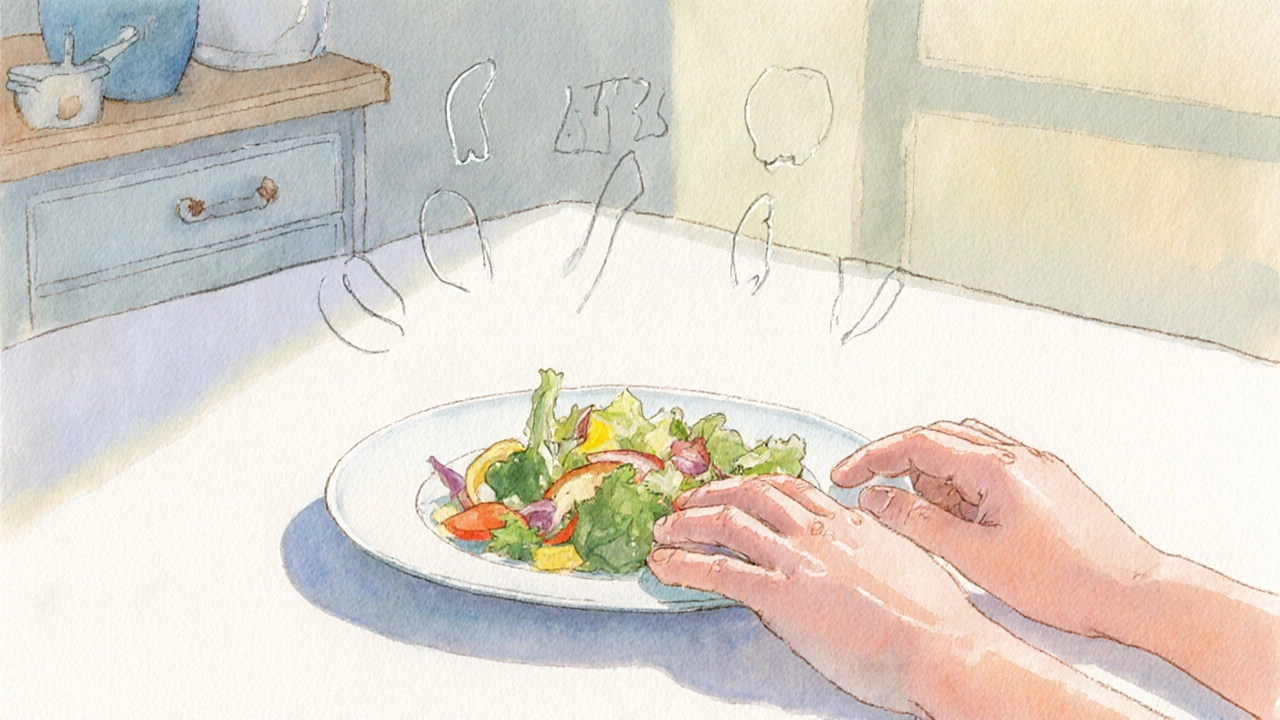
Discover what mindful eating really means, its health benefits, step‑by‑step practices, tips, common pitfalls, and FAQs for everyday use.
Categories
RECENT POSTS

How Many Minutes a Day Should You Practice Mindfulness?
You don't need hours to practice mindfulness. Just five minutes a day can reduce stress, improve focus, and help you respond instead of react. Science backs this simple habit.

Why Do You Cross Your Legs When Meditating?
Crossing your legs during meditation isn't about tradition-it's about stability and comfort. Learn why this posture works for most people and what alternatives exist if it doesn't suit your body.

What Is the #1 Superfood? The Real Answer Behind the Hype
Chia seeds are the #1 superfood because they pack fiber, protein, omega-3s, and minerals into a tiny, affordable, shelf-stable package that works in any meal. No hype-just real nutrition.

How to Till a Garden for the First Time - Step‑by‑Step Guide
A step‑by‑step guide for beginners that explains why tilling matters, how to pick tools, prepare soil, till correctly, and avoid common pitfalls.

Unlocking the 3 C's of Mental Health: Connection, Coping, and Care Strategies
Explore the 3 C's of mental health: Connection, Coping, and Care. Learn practical tips and interesting insights to boost your emotional well-being every day.