Mindful Meditation: How Short Daily Practices Transform Stress, Focus, and Emotional Wellbeing
When you hear mindful meditation, a practice of paying attention to the present moment without judgment. Also known as mindfulness, it doesn't require chanting, special cushions, or hours of silence—just a few minutes a day to notice your breath, your body, or what's happening around you. This isn't new-age fluff. It's a tool backed by neuroscience and used by doctors, teachers, and busy parents to handle stress before it takes over.
What makes mindful meditation work isn't the length of time—it's consistency. Studies show that just five minutes a day can lower cortisol, the main stress hormone, and help your brain shift from reacting to responding. That’s why people who practice regularly say they feel calmer in traffic, less overwhelmed at work, and more patient with their kids. It’s not magic. It’s training. Your brain gets better at noticing when you’re spiraling and gently pulling you back. And that skill? It shows up everywhere—in how you talk to yourself, how you handle conflict, even how you sleep.
Related practices like mindfulness practice and stress reduction often get mixed up with relaxation techniques, but they’re different. You don’t have to feel relaxed to be mindful. Sometimes you’re angry, tired, or anxious—and that’s exactly when it matters most. Mindful meditation teaches you to sit with discomfort instead of running from it. That’s why it’s so powerful for emotional wellbeing. It doesn’t fix your problems, but it changes how you carry them.
You’ll find articles here that cut through the noise. No 30-minute guided sessions you’ll never stick to. No apps that charge $20 a month. Just real talk: how to start without pressure, why five minutes beats an hour you never do, and how to tell if you’re actually doing it right. Some posts break down the science behind focus improvement. Others show you how to weave it into your morning coffee, your commute, or even while washing dishes. You’ll also see how it connects to other habits—like decluttering your space, eating mindfully, or choosing clothes that don’t add to your mental load. This isn’t about becoming a monk. It’s about becoming more yourself—calmer, clearer, and less reactive.
Mindfulness Practices Explained: Types, Benefits, and How to Get Started
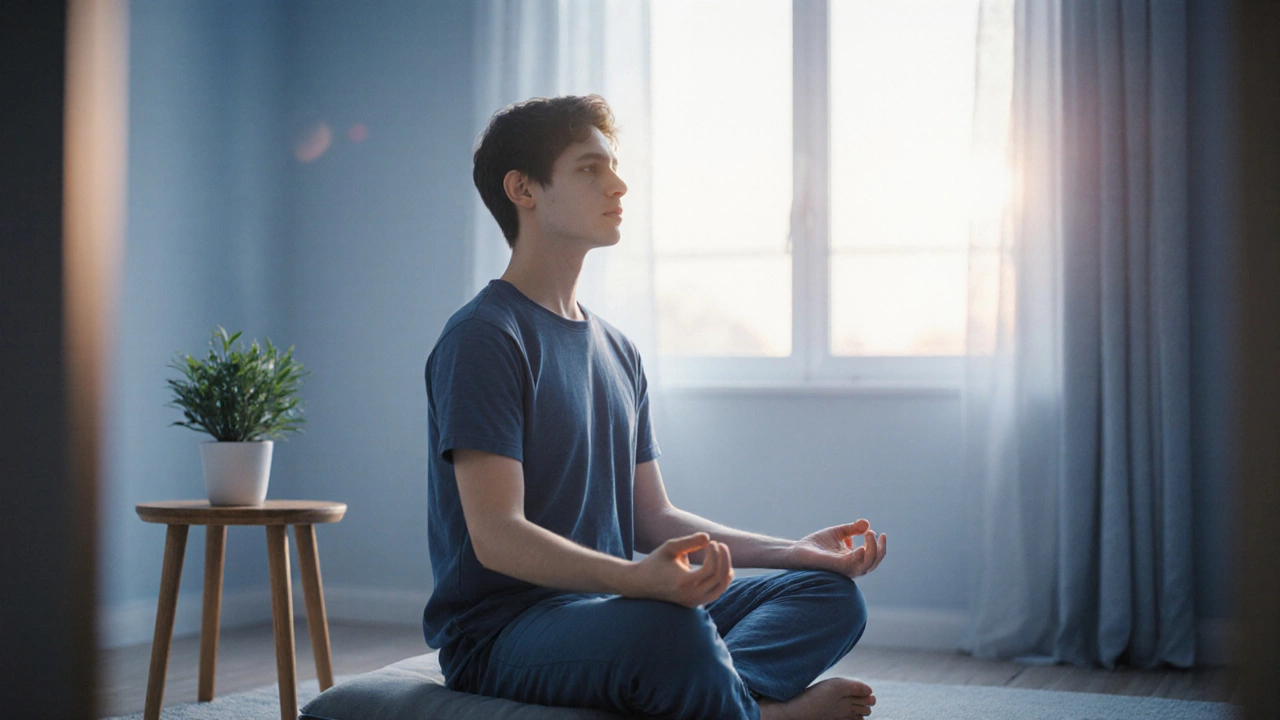
Learn what mindfulness practices are, explore popular techniques, uncover health benefits, and get a step‑by‑step guide to start your own routine.
Categories
RECENT POSTS
How to Declutter Every Room in Your House Fast
Learn how to declutter every room in your house fast with simple, step-by-step strategies that work in under 8 hours. No fluff, no perfection-just momentum.

What Diet Is Best for Belly Fat Loss? Science-Backed Strategies
Discover the most effective diets for belly fat loss, including Mediterranean, low-carb, and high-protein approaches. Learn which foods to eat, which to avoid, and practical meal ideas to shrink your waistline.
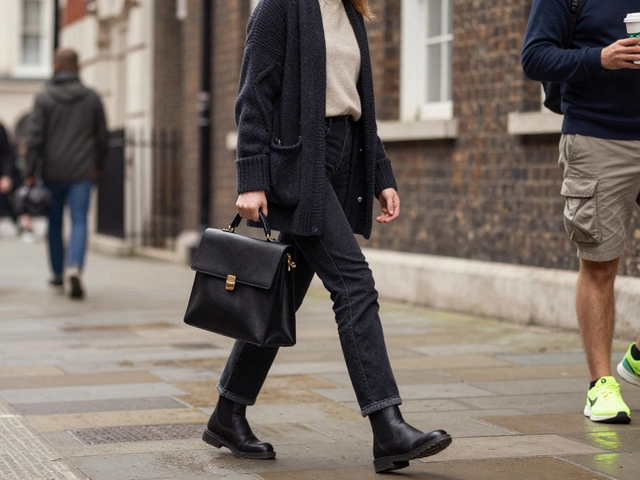
How to Dress Like a Local in London and Avoid Looking Like a Tourist
Learn how to dress like a local in London by avoiding common American tourist mistakes-skip loud logos, athletic wear, and white sneakers. Master quiet style, layering, and practical footwear to blend in effortlessly.
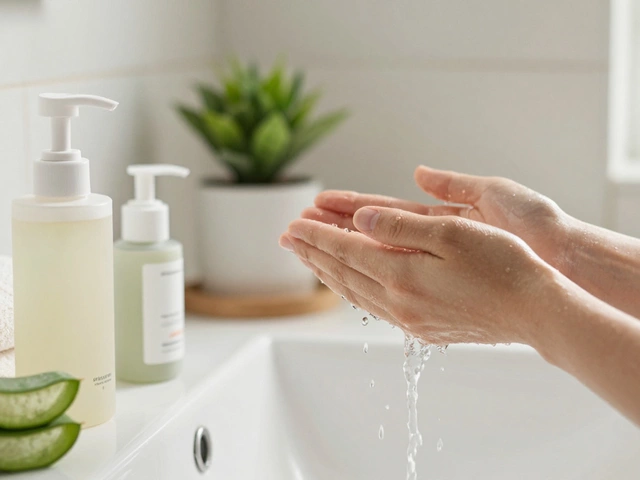
How to Get a Flawless Face: Simple Daily Routine for Clear, Glow-Like Skin
Get a flawless face with a simple, science-backed skincare routine that focuses on consistency, not expensive products. Learn the essential steps for clear, glowing skin that works in any climate.

Is Goodwill Actually Sustainable? A Deep Dive into Thrift Store Impact
Explore Goodwill's real impact on sustainability, carbon savings, waste diversion, and social benefits. Find data, myths, and tips for greener thrift shopping.