Personal Finance: Simple Ways to Manage Money and Build Stability
When you hear personal finance, the day-to-day choices you make about earning, spending, saving, and investing your money. Also known as money management, it's not about having a high income—it's about knowing where your money goes and making sure it supports your life, not controls it. Most people think you need to be rich to get good at it. That’s not true. You just need to pay attention.
Budgeting, tracking what you earn and what you spend is the first real step. You don’t need fancy apps. A notebook, a spreadsheet, or even your phone’s notes app works. The goal isn’t to restrict yourself—it’s to stop wondering where your cash disappeared. Saving money, setting aside small amounts regularly for emergencies or future goals builds a cushion so one unexpected bill doesn’t wreck your week. And financial freedom, the point where your money works for you instead of the other way around isn’t about retiring early. It’s about saying no to jobs you hate, saying yes to time with family, or just sleeping better at night because you’re not scared of tomorrow.
What you’ll find here isn’t theory. These are real stories from people who ate under $20 a week on healthy food, chose secondhand clothes over fast fashion, and learned how to stretch every pound without feeling deprived. You’ll see how mindfulness helps reduce impulsive spending, how sustainable fashion saves money long-term, and how simple kitchen habits cut grocery bills. This isn’t about being perfect. It’s about being consistent. You don’t need a six-figure salary to start. You just need to begin—with one small, smart choice today.
What is the 3% Rule? Master Your Money Habits with the 3 Percent Rule

Uncover what the 3% rule means and how it can transform your finances, savings, and spending habits. Easy guide for smarter money choices.
Categories
RECENT POSTS
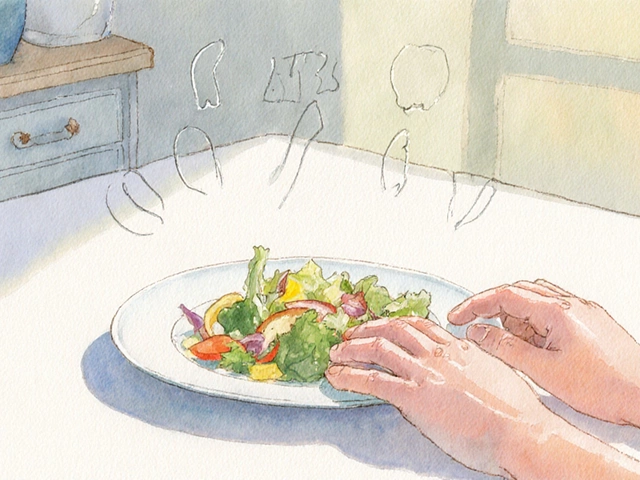
What Is Mindful Eating? A Simple Guide to Eating With Awareness
Discover what mindful eating really means, its health benefits, step‑by‑step practices, tips, common pitfalls, and FAQs for everyday use.
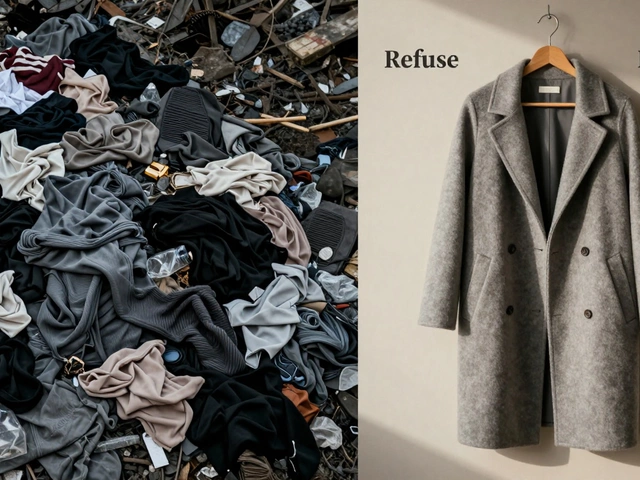
The 7 Rs of Sustainable Fashion: A Practical Guide to Ethical Style
Discover the 7 Rs of sustainable fashion: Refuse, Reduce, Rethink, Repair, Reuse, Rent, and Recycle. A practical guide to building an ethical wardrobe.
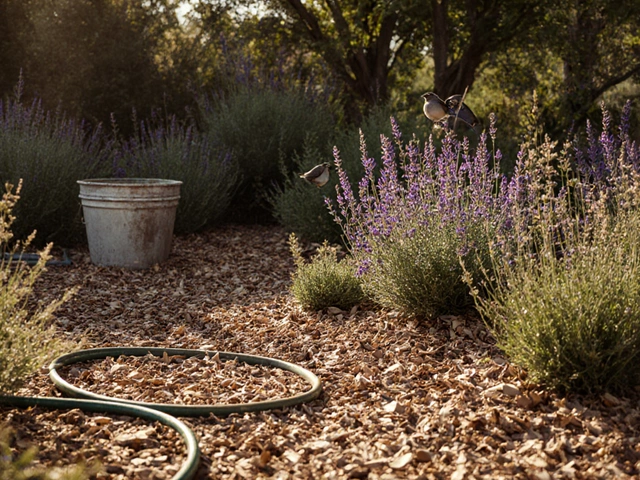
What Is a Lazy Gardener? The Smart Way to Grow Plants with Less Work
A lazy gardener doesn't work harder-they work smarter. Learn how to grow a thriving garden with minimal effort using native plants, mulch, and natural habits that save time and water.

Do Minimalists Believe in God? Exploring Spirituality in Simple Living
Minimalism isn't about rejecting belief-it's about removing noise to find what truly matters. Some minimalists find God. Others find meaning without it. What they share is intention.

What Is the 5-Hour Golden Rule? The Simple Habit That Changes Everything
The 5-hour golden rule is a simple habit: spend one hour a day learning. People who follow it consistently outgrow others by building skills, making better decisions, and staying ahead in a changing world.