ECO Label Decoder
See "ECO" on a product? Don't assume it means "Eco-Friendly." Use this decoder to determine if the label is a functional setting, a geopolitical reference, or just marketing slang.
Select options above to analyze the "ECO" claim.
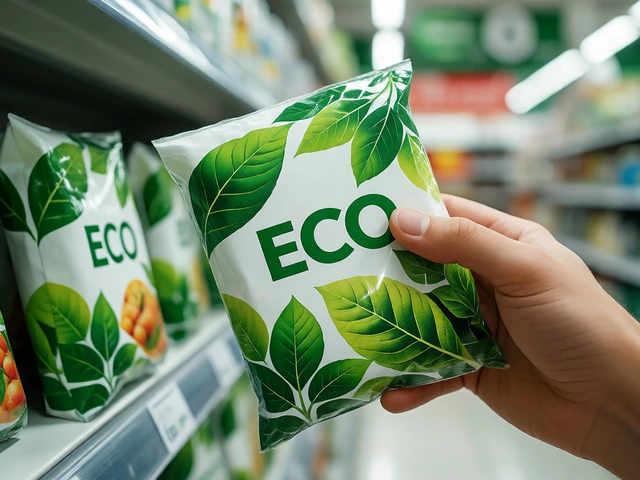
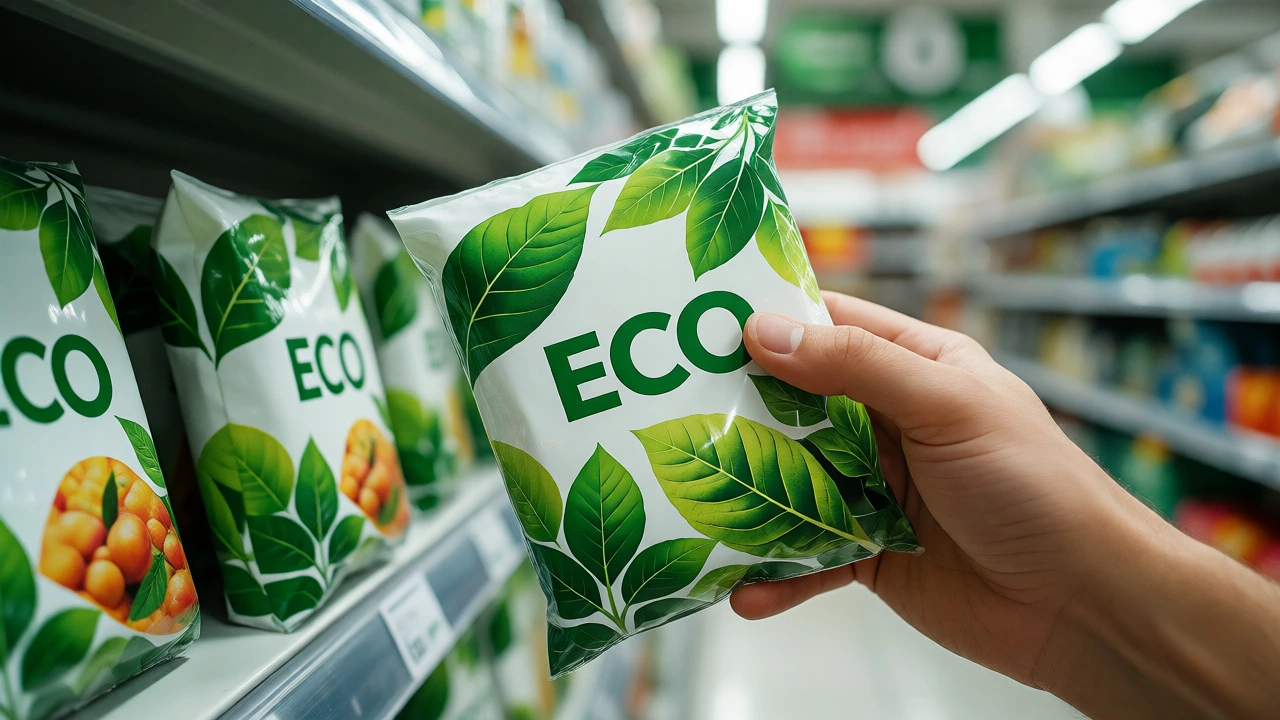
You’re standing in the aisle of a supermarket or browsing an online store, and you see a product with a big, bold ECO printed on the packaging. It looks trustworthy. It feels good to buy. But here’s the kicker: that three-letter word isn’t just a cute abbreviation for "ecological." Depending on who made the label and what they meant, it could mean completely different things. In fact, one of the most common meanings of ECO is actually related to washing machines, not the planet at all.
This confusion is rampant because manufacturers love short, punchy words that signal virtue without always delivering substance. If you are trying to reduce your carbon footprint, knowing exactly what you are buying matters. Let’s break down the acronym ECO, separate the marketing fluff from the genuine sustainability signals, and help you make smarter choices for your home and the environment.
The Multiple Faces of the Acronym ECO
When people ask, "What is the acronym ECO?", they usually assume it stands for something like "Eco-friendly" or "Ecological." And while those are common colloquial uses, they aren’t technically acronyms in the strict sense. The term "eco" is simply a prefix derived from the Greek word *oikos*, meaning "house" or "environment." However, when capitalized as ECO, it often represents specific industry standards or functional modes.
Here are the most common definitions you’ll encounter:
- Energy Conservation Option: This is the most prevalent technical definition. You will see this on appliances like dishwashers, washing machines, and ovens. It indicates a mode that uses less energy and water, often by extending the cycle time.
- Economic Cooperation Organization: While less relevant to consumer products, this international organization involves countries like Iran, Pakistan, and Turkey. You might see it in news contexts regarding trade agreements affecting goods prices.
- Electrical Control Output: A niche term used in industrial engineering and electronics, referring to signal outputs in control systems.
- General Marketing Slang: Many brands use "ECO" simply as a shortened form of "Ecological" or "Environmental," even if it lacks formal certification.
Notice the pattern? Only one of these is directly about saving the planet in a broad sense, and even then, it’s vague. The others are functional or geopolitical. So, when you see "ECO" on a bottle of shampoo, it’s likely just marketing slang. When you see it on your fridge, it’s a setting.
Why "Eco" Labels Are Often Misleading
Let’s be honest: we’ve all been burned by greenwashing. Greenwashing is when a company spends more time and money claiming to be "green" than actually implementing business practices that minimize environmental impact. The term Greenwashing was coined in the 1980s by environmentalist Jay Westerveld to describe hotels asking guests to reuse towels to save the environment, while expanding their facilities.
The problem with using "ECO" as a standalone label is that it has no legal definition in many jurisdictions. Unlike terms like "Organic" (regulated by bodies like USDA in the US or MPI in New Zealand) or "Fair Trade," "Eco" can mean anything. One brand might use recycled cardboard for its box but fill the inside with single-use plastics. Another might claim their product is "ECO" because it’s biodegradable, ignoring the massive carbon cost of shipping it across the world.
A study by the International Chamber of Commerce found that over 40% of green claims made by companies were misleading. This lack of standardization means that the acronym ECO serves more as a psychological trigger for consumers than a verified metric of sustainability. You need to look beyond the acronym to find the truth.
Decoding Appliance Modes: The Real ECO Setting
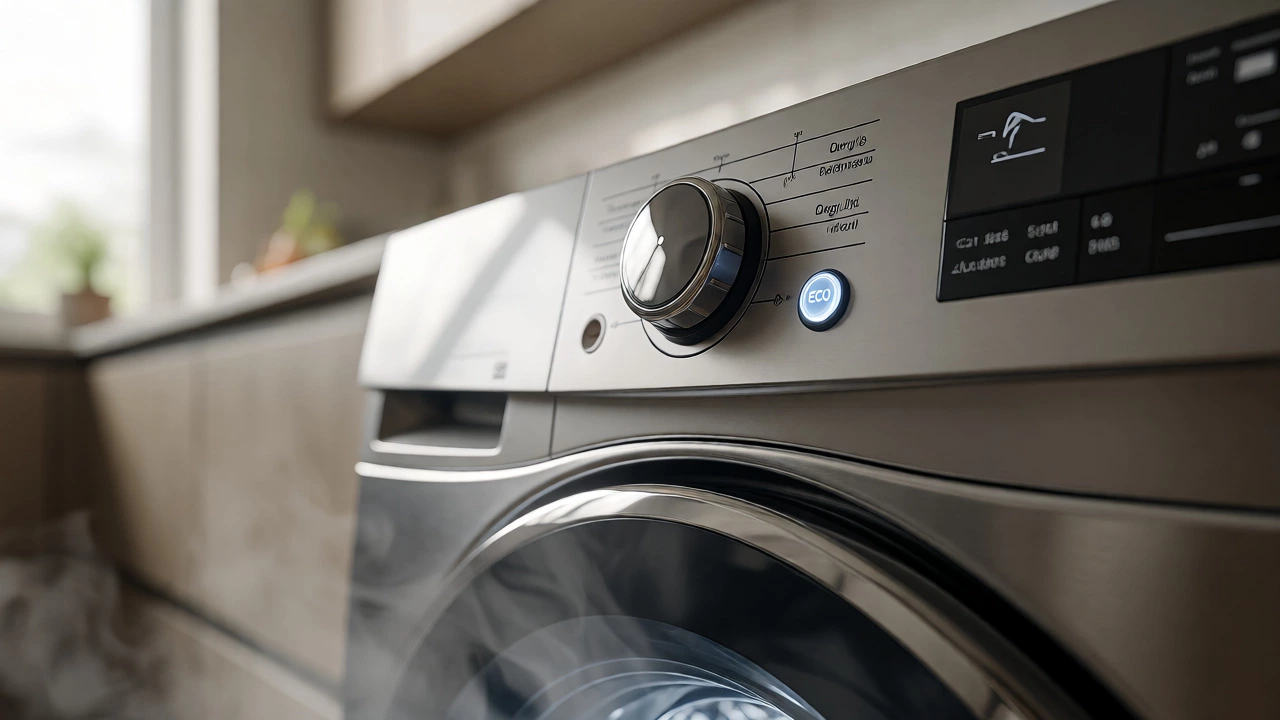
If you are looking at your kitchen appliances, the acronym ECO almost certainly stands for Energy Conservation Option. This is a tangible feature designed to lower electricity consumption. Here is how it works in practice:
| Appliance | How ECO Mode Saves Energy | Trade-off |
|---|---|---|
| Washing Machine | Uses cold water instead of hot; extends wash duration to compensate. | Cycles take longer; may struggle with heavy stains. |
| Dishwasher | Lowers water temperature; dries dishes with residual heat rather than a heating element. | Dishes may remain damp; requires careful loading. |
| Oven | Reduces fan speed; lowers temperature slightly; adjusts cooking time. | Cooking takes 15-20% longer; uneven browning possible. |
| Air Conditioner | Adjusts thermostat setpoint; reduces compressor load; optimizes fan usage. | Room may feel less instantly cool; comfort levels vary. |
In Wellington, where energy costs have risen significantly in recent years, using ECO modes can genuinely lower your power bill. For example, running a dishwasher on ECO can save up to 30% in energy compared to the standard "Normal" cycle. The key is understanding that "Eco" here is about efficiency, not necessarily about the materials the appliance is made from.
Beyond the Acronym: What Actually Makes a Product Eco-Friendly?
So, if "ECO" is too vague to trust, what should you look for? True sustainability is measured by attributes, not abbreviations. When evaluating a product, ignore the big letters and look for these specific indicators:
- Certifications: Look for recognized seals. In New Zealand, the Enviro-Mark scheme provides third-party verification of environmental claims. Globally, look for FSC (Forest Stewardship Council) for wood and paper, or Energy Star for electronics.
- Material Composition: Does the product use post-consumer recycled content? Is it compostable? Be wary of terms like "biodegradable" unless there is a timeframe specified (e.g., "degrades in 90 days in industrial compost").
- Packaging: Minimalist packaging often signals a more thoughtful approach. Avoid products wrapped in plastic inside a plastic shell inside a plastic bag.
- Lifecycle Analysis: Some high-end brands now provide data on the carbon footprint of manufacturing and transport. If a local brand in Wellington sells soap, its transport emissions are likely far lower than an imported "eco" brand shipped from overseas.
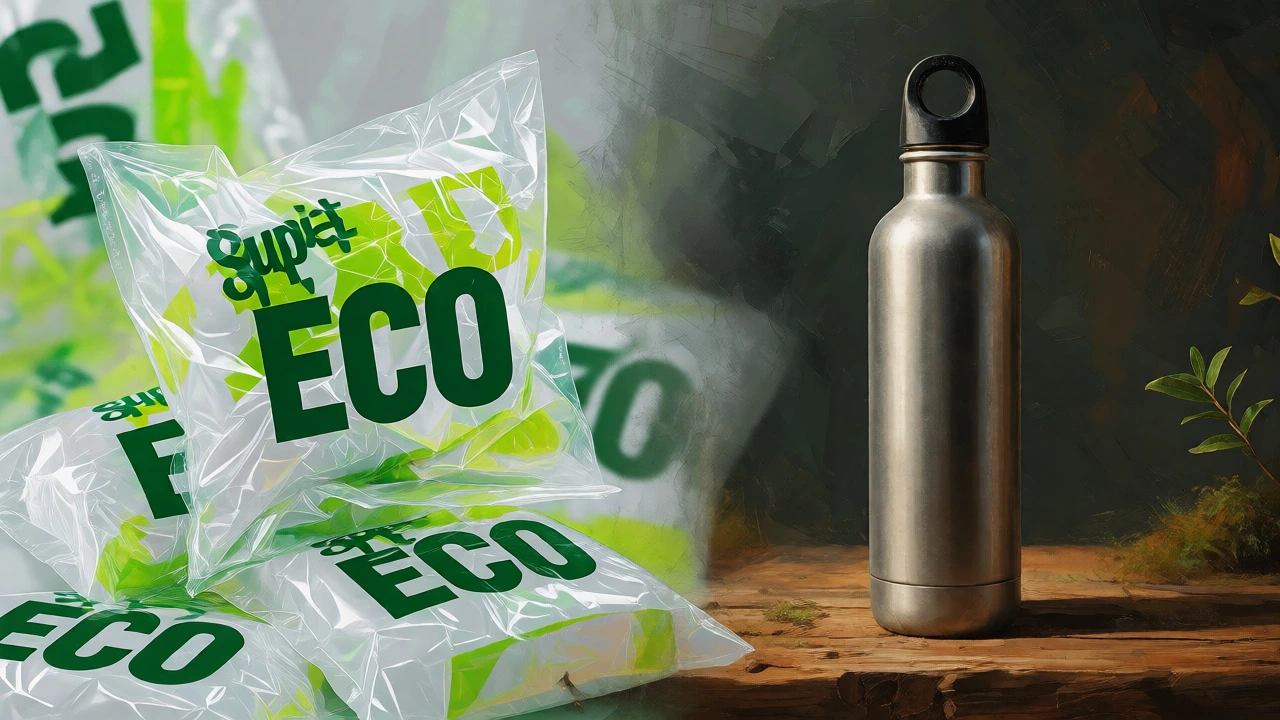
Consider the difference between two reusable water bottles. Bottle A says "ECO" on the side but is made from virgin plastic in China. Bottle B has no acronym but is made from stainless steel in New Zealand with a lifetime warranty. Bottle B is arguably the more sustainable choice, despite lacking the trendy label.
The Rise of "Eco" as a Lifestyle Brand
It’s worth noting that "ECO" has evolved into a lifestyle identity. Brands like Patagonia or Allbirds don’t just sell products; they sell membership into a community that values sustainability. In this context, "ECO" becomes shorthand for a set of ethical values: fair labor, transparent supply chains, and circular economy principles.
This shift is important because it moves the conversation from "what does the acronym mean?" to "what does the company do?" Companies that truly embrace this ethos often publish annual sustainability reports. They detail their water usage, waste diversion rates, and supplier audits. If a brand relies solely on the acronym ECO without backing it up with data, they are likely riding the wave rather than swimming upstream.
For consumers, this means doing a quick background check. A simple search for "[Brand Name] sustainability report" can reveal whether their "ECO" claims are supported by evidence or just clever typography.
Practical Tips for Spotting Genuine Eco-Friendly Products
You don’t need a degree in environmental science to navigate this landscape. Use these heuristics to cut through the noise:
- Check the Fine Print: If a product claims to be "Eco," look for small text explaining why. Vague claims like "better for the earth" are red flags. Specific claims like "made from 100% recycled ocean plastic" are better.
- Look for Numbers: Sustainability is measurable. "Saves 50% water" is verifiable. "Saves water" is not.
- Assess Durability: The most eco-friendly product is the one you don’t have to replace. Cheap "eco" items that break after three uses create more waste than durable conventional ones.
- Local First: Buying locally reduces transport emissions. A non-labeled local apple often has a lower carbon footprint than an "ECO" labeled imported one.
Remember, the goal isn’t perfection. It’s progress. Understanding that ECO is often just a label helps you focus on actions that matter: reducing consumption, reusing items, and supporting transparent businesses.
Does ECO always stand for ecological?
No. While it is commonly used as shorthand for ecological or environmentally friendly, in technical contexts-especially with appliances-it frequently stands for Energy Conservation Option. It can also refer to the Economic Cooperation Organization in geopolitical contexts.
Is a product labeled ECO automatically sustainable?
Not necessarily. There is no universal legal standard for the term "ECO" on consumer products. It is often used for marketing purposes without rigorous verification. Always look for third-party certifications or specific details about materials and processes to confirm sustainability claims.
What is the difference between ECO and Energy Star?
Energy Star is a government-backed symbol for energy efficiency, primarily for electronics and appliances, with strict testing criteria. ECO is a broader, often unregulated term that can apply to any product type. Energy Star guarantees a specific level of performance, whereas ECO is largely descriptive or promotional.
Can I trust "Eco-Friendly" packaging claims?
Proceed with caution. Many packages are recyclable but end up in landfills due to contamination or lack of local recycling facilities. Look for specific instructions, such as "check locally" or logos indicating compostability (like the Seedling logo), rather than relying on generic "Eco" labels.
How does ECO mode affect my electricity bill?
Using ECO mode on appliances like washing machines and dishwashers can reduce energy consumption by 20-30% per cycle. Over a year, this can lead to noticeable savings on your electricity bill, especially if you run these appliances frequently.