Walking & Fat Loss Calculator
Your Parameters
Your Fat Loss Projection
Enter your details and click calculate to see how walking impacts your fat loss journey.
That stubborn pouch around your waist doesn't care how many sit-ups you do. It’s the most frustrating part of losing weight, isn’t it? You cut out sugar, you hit the gym, yet the mirror still shows the same silhouette. So, does simply walking burn that specific fat? The short answer is yes, but not in the way most people think. You cannot tell your body to burn fat from just one place. This concept, known as spot reduction, is a myth that has persisted for decades. However, walking is one of the most effective tools for lowering overall body fat, which eventually includes the belly.
Living in Wellington, where the wind can make any outdoor activity feel like a workout, I’ve seen plenty of people struggle with this misconception. They buy expensive home workout equipment designed to target abs, only to find they aren’t getting the results they want. The truth is simpler and more accessible than you might expect. Walking, when done correctly and consistently, creates a calorie deficit that forces your body to tap into stored energy, including the dangerous visceral fat deep in your abdomen.
The Science Behind Walking and Fat Loss
To understand why walking works, we need to look at how your body burns fuel. When you walk, especially at a brisk pace, your body uses a mix of carbohydrates and fats for energy. Unlike high-intensity interval training (HIIT), which relies heavily on glycogen (stored carbs), moderate-intensity steady-state cardio like walking leans more heavily on fat oxidation during the activity itself. While the total calories burned per minute are lower than running, the sustainability factor is much higher. You can walk for an hour without feeling completely wrecked, whereas running for an hour might leave you exhausted and hungry.
The key metric here is the calorie deficit. To lose one pound of fat, you generally need to create a deficit of about 3,500 calories. A 160-pound person walking at a moderate pace of 3.5 miles per hour burns roughly 314 calories per hour. If you add 30 minutes of walking to your daily routine, that’s an extra 157 calories burned. Over a week, that adds up to over 1,000 calories. Without changing your diet, this could lead to losing about half a pound of fat per week. That might sound slow, but it’s sustainable. Slow and steady wins the race, especially when it comes to preserving muscle mass while losing fat.
Visceral fat, the type that wraps around your internal organs, is particularly responsive to aerobic exercise. Studies have shown that regular walking can significantly reduce waist circumference even if the scale doesn’t move dramatically. This is crucial because visceral fat is linked to higher risks of heart disease, type 2 diabetes, and inflammation. By reducing this specific type of fat, you’re not just improving your appearance; you’re protecting your long-term health.
Why Spot Reduction Is a Myth
You’ve probably seen ads promising "flat abs in 30 days" using some new gadget or routine. These products prey on the desire for quick fixes. The reality is that fat loss is systemic. When your body needs energy, it releases fatty acids from fat cells throughout your entire body into the bloodstream. Your genetics determine which areas lose fat first and which hold on tightest. For many women, the hips and thighs are the last to go. For men, it’s often the lower back and belly.
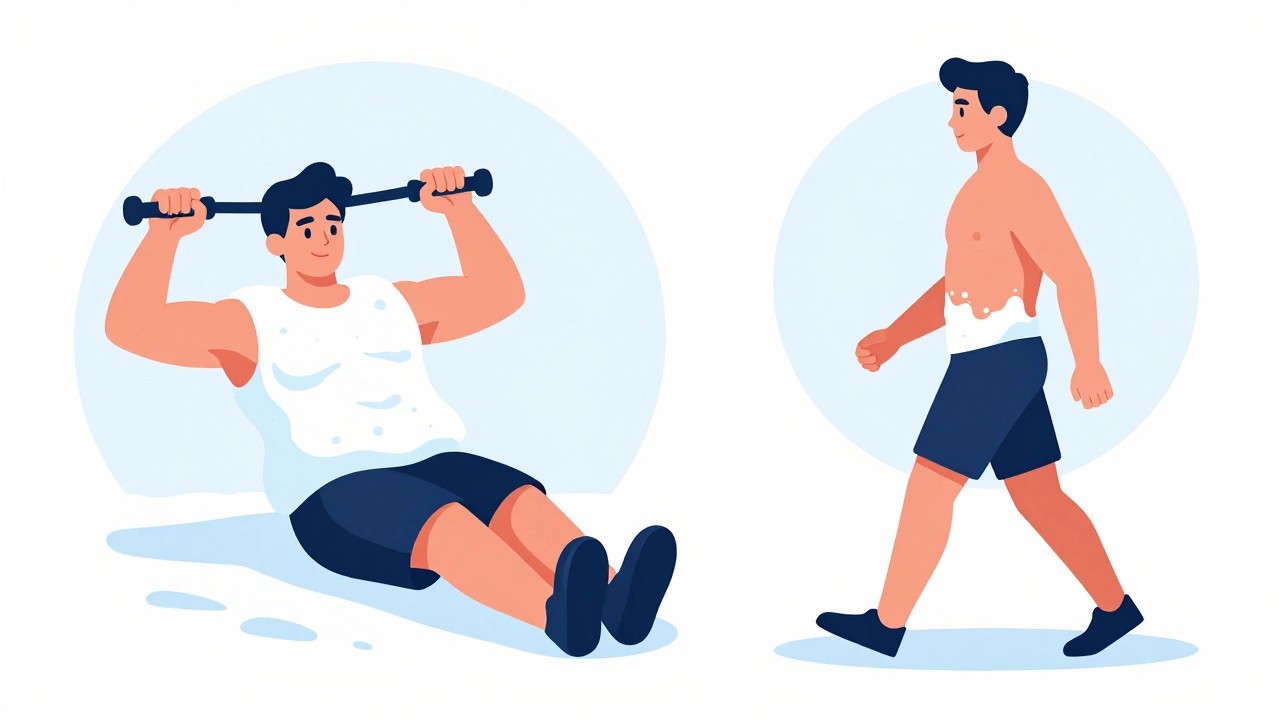
This is where abdominal exercises come in. Doing crunches strengthens the muscles underneath the fat, but it doesn’t burn the fat covering them. Think of it like building a house. You can reinforce the foundation (muscles), but if there’s a thick layer of snow (fat) on top, you won’t see the structure until the snow melts. Walking helps melt that snow by increasing your daily energy expenditure.
If you rely solely on ab workouts, you might end up with strong core muscles buried under a layer of fat. This can actually make your stomach look bigger if the muscles bulge outward. Combining core strengthening with full-body fat loss strategies, like walking and strength training, gives you the best chance of seeing definition. But remember, the walking does the heavy lifting for the fat loss part.
Optimizing Your Walk for Maximum Fat Burn
Not all walks are created equal. Strolling through the mall at a leisurely pace is great for mental health and joint mobility, but it won’t do much for your belly fat. To trigger significant fat adaptation, you need to increase the intensity. Here is how to turn a casual stroll into a fat-burning machine:
- Increase Your Pace: Aim for a brisk walk where you can talk but not sing. This is often called the "talk test." If you’re gasping for air, you’re going too fast. If you can belt out a tune, speed up.
- Add Inclines: Walking uphill requires more effort from your glutes, hamstrings, and calves. This increases the calorie burn significantly compared to flat ground. If you don’t have hills nearby, use a treadmill with an incline setting.
- Arm Movement: Swing your arms naturally. Pumping them vigorously engages your upper body and increases your heart rate further. Some people even wear light hand weights, though this is debated among fitness experts due to potential shoulder strain.
- Duration Matters: Try to aim for at least 30-45 minutes continuously. Longer durations keep your heart rate in the optimal fat-burning zone for a sustained period.
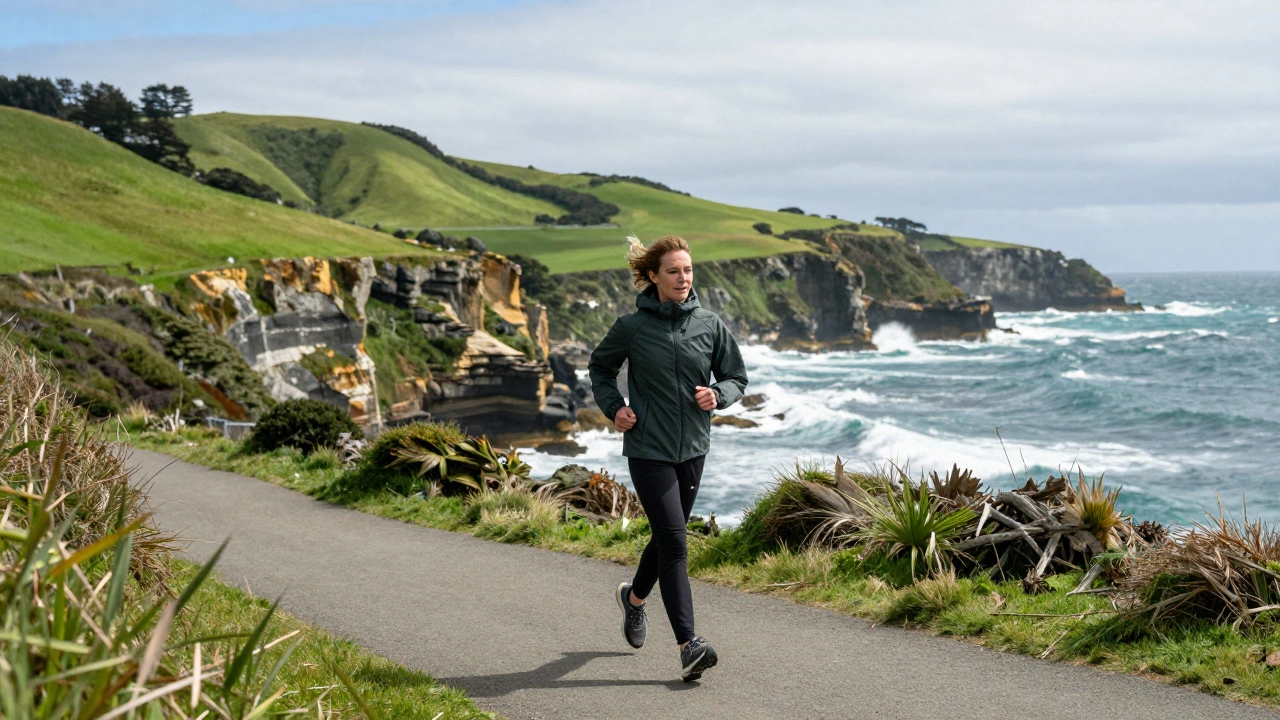
Consistency is far more important than perfection. Walking 30 minutes every day is better than walking three hours once a week. The latter leads to injury and burnout. The former builds a habit that becomes part of your lifestyle. In New Zealand, we have beautiful trails and parks that make this enjoyable rather than a chore. Use your environment to your advantage.
The Role of Home Workout Equipment
Since the title mentions home workout equipment, let’s address how these tools fit into the picture. Many people invest in treadmills, ellipticals, or stationary bikes thinking they will magically erase belly fat. The equipment itself doesn’t burn fat; your movement does. However, having equipment at home removes barriers. Bad weather, traffic, or lack of time at a gym are common excuses. A treadmill in your living room makes it easier to commit to those daily walks.
| Method | Calorie Burn (per hour, 160 lbs) | Accessibility | Impact on Joints |
|---|---|---|---|
| Outdoor Brisk Walk | ~314 calories | High (Free) | Low-Moderate |
| Treadmill with Incline | ~400+ calories | Medium (Equipment cost) | Low |
| Hiking/Trail Walking | ~450+ calories | Medium (Transport needed) | Moderate-High |
| Stair Climber | ~400-500 calories | Low (Gym or Equipment) | Low |
If you do have access to equipment, consider adding resistance bands or dumbbells to your routine. Strength training boosts your metabolism by building muscle tissue. Muscle burns more calories at rest than fat does. So, while walking burns calories during the activity, strength training helps you burn more calories while you sleep. A combination of both is the gold standard for body composition changes.
Don’t fall for gadgets that claim to vibrate away fat. Vibration plates might help with circulation or balance, but they do not create the metabolic demand required for significant fat loss. Stick to proven methods: movement, resistance, and consistency.
Diet: The Other Half of the Equation
You cannot out-walk a bad diet. This is the hardest pill to swallow, but it’s essential. If you walk for an hour and burn 300 calories, then eat a large cookie and a soda afterward, you’ve negated the effort. Weight loss happens primarily in the kitchen. Walking accelerates the process by increasing your total daily energy expenditure (TDEE).
Focus on whole foods. Protein helps preserve muscle mass during weight loss, which keeps your metabolism high. Fiber from vegetables and fruits keeps you full longer, preventing mindless snacking. Hydration is also critical. Sometimes thirst masks itself as hunger. Drink water before meals and during your walks.
Avoid extreme calorie restriction. If you cut calories too drastically, your body enters starvation mode, slowing down your metabolism. This makes it harder to lose fat and easier to regain it. Aim for a moderate deficit of 300-500 calories per day. Combine this with your walking routine, and you’ll see steady progress without feeling deprived.

Sleep and Stress: The Hidden Saboteurs
Ever notice how stress makes you crave comfort food? That’s cortisol talking. Cortisol is a hormone released in response to stress. High levels of cortisol are directly linked to increased abdominal fat storage. Chronic stress keeps cortisol elevated, making it nearly impossible to lose belly fat no matter how much you walk.
Sleep plays a similar role. Poor sleep disrupts hormones that regulate hunger and satiety. Ghrelin (the hunger hormone) goes up, and leptin (the fullness hormone) goes down. You wake up hungrier and less satisfied after eating. Aim for 7-9 hours of quality sleep per night. Treat sleep as a non-negotiable part of your fat-loss strategy, just like walking and diet.
Incorporating relaxation techniques like deep breathing, meditation, or simply spending time in nature can lower cortisol levels. Since I live near the coast, taking a walk along the beach serves two purposes: physical activity and mental decompression. Find what works for you. Reducing stress isn’t just good for your mind; it’s essential for shrinking your waistline.
Tracking Progress Beyond the Scale
The scale can be misleading. You might be losing fat but gaining muscle, which weighs more per volume. This is why the number on the scale might stay the same while your clothes fit looser. Don’t obsess over daily weigh-ins. Instead, use other metrics:
- Waist Circumference: Measure your waist at the navel level weekly. A decrease here is a direct sign of reduced belly fat.
- Photos: Take front, side, and back photos monthly. Visual changes are often more apparent than numbers.
- Clothing Fit: Notice how your jeans or shirts feel. Are they tighter or looser?
- Energy Levels: Do you feel more energetic? Better sleep? Improved mood?
These indicators give a more holistic view of your progress. Remember, body composition changes take time. Be patient with yourself. Celebrate small victories, like being able to walk faster or longer without getting tired.
How much walking is needed to lose belly fat?
To see noticeable changes, aim for at least 150 minutes of moderate-intensity walking per week, spread across 5 days. This means about 30 minutes a day. For faster results, increase to 60 minutes daily or incorporate intervals of faster walking. Consistency is key; doing it every day yields better results than sporadic long sessions.
Can I lose belly fat without exercising?
Yes, you can lose fat through diet alone by creating a calorie deficit. However, combining diet with exercise like walking preserves muscle mass, improves cardiovascular health, and boosts metabolism. Exercise also helps prevent weight regain later on. Walking makes the process healthier and more sustainable.
Is morning walking better for burning belly fat?
Some studies suggest that fasting morning walks may slightly increase fat oxidation since glycogen stores are lower after sleeping. However, the total calorie deficit over the day matters most. Choose the time that fits your schedule and allows you to be consistent. Whether it’s morning, lunch break, or evening, the benefit comes from the movement itself.
Do I need special shoes for walking to lose weight?
You don’t need expensive gear, but supportive footwear is important to prevent injury. Look for shoes with good cushioning and arch support, especially if you’re walking on hard surfaces like concrete. Proper shoes allow you to walk longer and more comfortably, which indirectly supports your fat-loss goals by enabling consistency.
Why am I walking but not losing weight?
This usually points to dietary issues. You might be eating more than you realize, compensating for the calories burned. Track your food intake honestly. Also, check if you’re increasing your walking intensity. A leisurely stroll burns fewer calories than a brisk power walk. Finally, consider stress and sleep factors, as high cortisol can stall fat loss despite exercise efforts.