Smart Gardening: Practical Tips for Healthy Plants and Sustainable Soil
When you practice smart gardening, a hands-on, resource-smart approach to growing plants that prioritizes soil health, waste reduction, and long-term results. Also known as sustainable gardening, it’s not about fancy tools or expensive products—it’s about understanding what your plants actually need and giving it to them without harming the earth. This isn’t magic. It’s science mixed with common sense. You don’t need a greenhouse or a backyard the size of a football field. Even a windowsill with a few pots can be part of a smart garden.
Smart gardening connects directly to things you’re already doing—or should be. For example, using coffee grounds for plants, a common household waste product that adds nitrogen and improves soil texture when used correctly isn’t just a hack; it’s a way to recycle and feed your garden at the same time. But it only works for certain plants. Tomatoes and blueberries love it. Seedlings and cacti? Not so much. That’s the core of smart gardening: knowing the difference, not guessing. Then there’s organic fertilizer, natural soil amendments like compost, worm castings, or fish emulsion that feed plants slowly without burning roots or polluting groundwater. Unlike chemical fertilizers that give a quick burst then leave soil dead, organic options build life in the dirt. They help microbes thrive, which means your plants get stronger over time, not just taller right away.
Smart gardening also means thinking ahead. What happens after harvest? Can you compost the leftovers? Are you buying peat-based potting mix that destroys wetlands? Are you watering in the morning to cut down on evaporation? These aren’t optional extras—they’re part of the system. You’ll find posts here that show you how to till soil properly, which fertilizers actually work for vegetables in 2025, and how to avoid turning coffee grounds into a gardening mistake. You’ll see how to start small, grow more, and waste less. No jargon. No fluff. Just what works, based on real results, not marketing claims.
Whether you’re growing herbs on a balcony, tomatoes in raised beds, or carrots in a repurposed bucket, smart gardening gives you the tools to succeed without overcomplicating things. The posts below cover everything from beginner steps like planting your first seeds to advanced tips like using soil tests to tweak your nutrient mix. You’ll learn what to avoid as much as what to do. And you’ll walk away with a garden that’s not just alive—but thriving, sustainably, year after year.
What Is a Lazy Gardener? The Smart Way to Grow Plants with Less Work
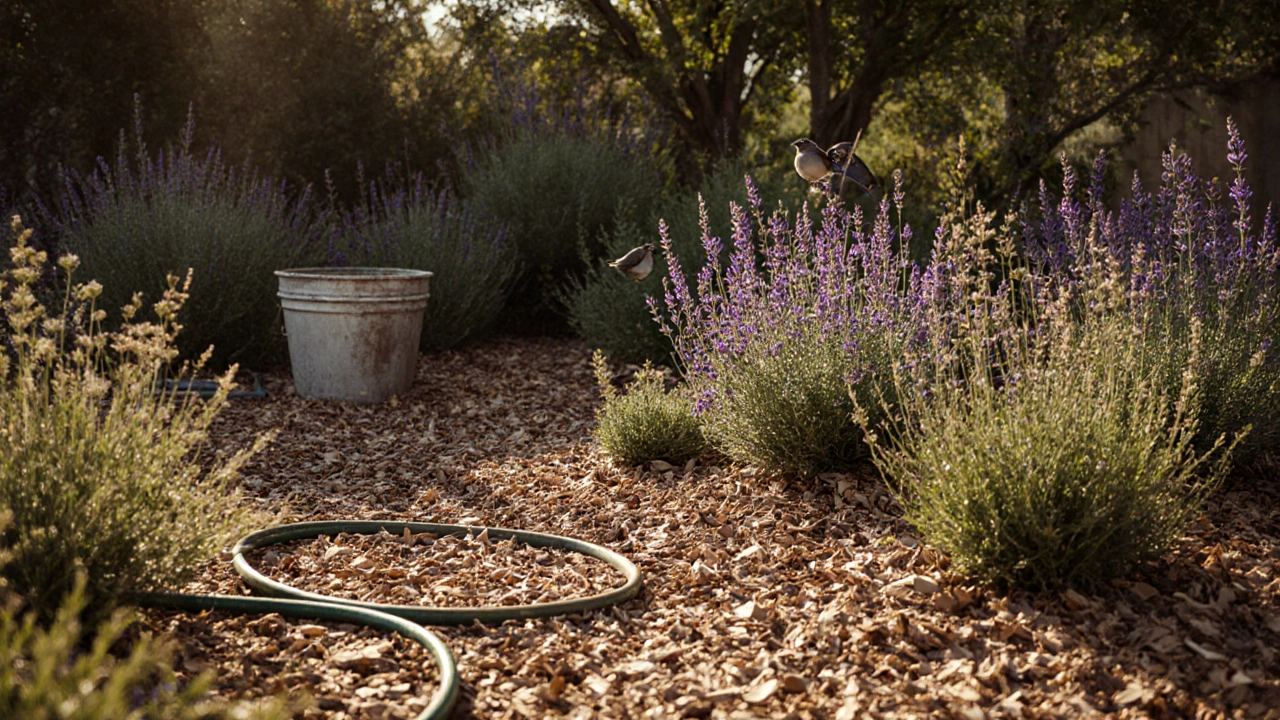
A lazy gardener doesn't work harder-they work smarter. Learn how to grow a thriving garden with minimal effort using native plants, mulch, and natural habits that save time and water.
Categories
RECENT POSTS

How to Heal Yourself Emotionally: A Practical Guide to Recovery
Discover practical steps to heal yourself emotionally. Learn about nervous system regulation, mindful processing, and self-compassion to overcome pain and build lasting mental wellbeing.

Whose Makeup Is Best? The Definitive Guide to Top Cosmetic Brands in 2026
Discover whose makeup is best in 2026. We compare top luxury, drugstore, and clean beauty brands like Fenty, Tatcha, and e.l.f. to help you find the perfect fit for your skin type and budget.

How to Heal Your Mind: Simple, Science-Backed Steps for Mental Wellbeing
Healing your mind starts with simple, daily habits - breath, movement, writing, connection, rest, and letting go of "should." Science-backed and practical, these steps help rebuild mental wellbeing without overwhelm.

Is It Illegal to Swear in England? What You Really Need to Know
Swearing in England isn't illegal by itself-but using it to harass, alarm, or distress someone can land you a fine or worse. Here's what travelers need to know about public language laws in the UK.

Is Target Fast Fashion? Honest Look at Their Clothing & Ethics
Does Target count as fast fashion? Dive deep into their clothing lines, sustainability efforts, and what really goes into those $10 tees everyone loves.