Minimalist Personality Decoder
Select all statements that resonate with your daily life or mindset.
Your Personality Insights
Based on your selections, here is what your relationship with stuff reveals about you:
Your Core Driver
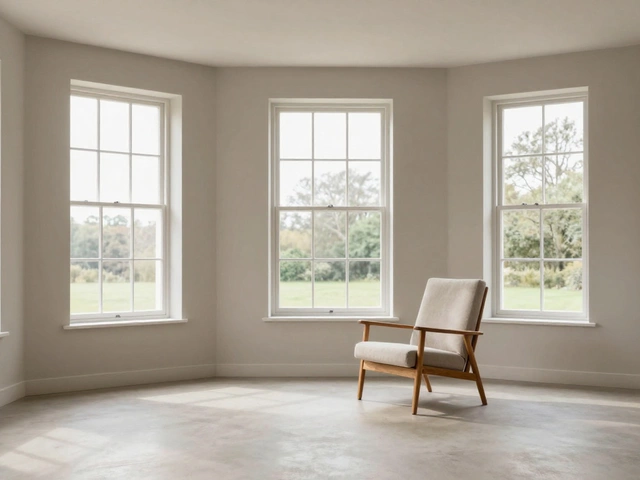
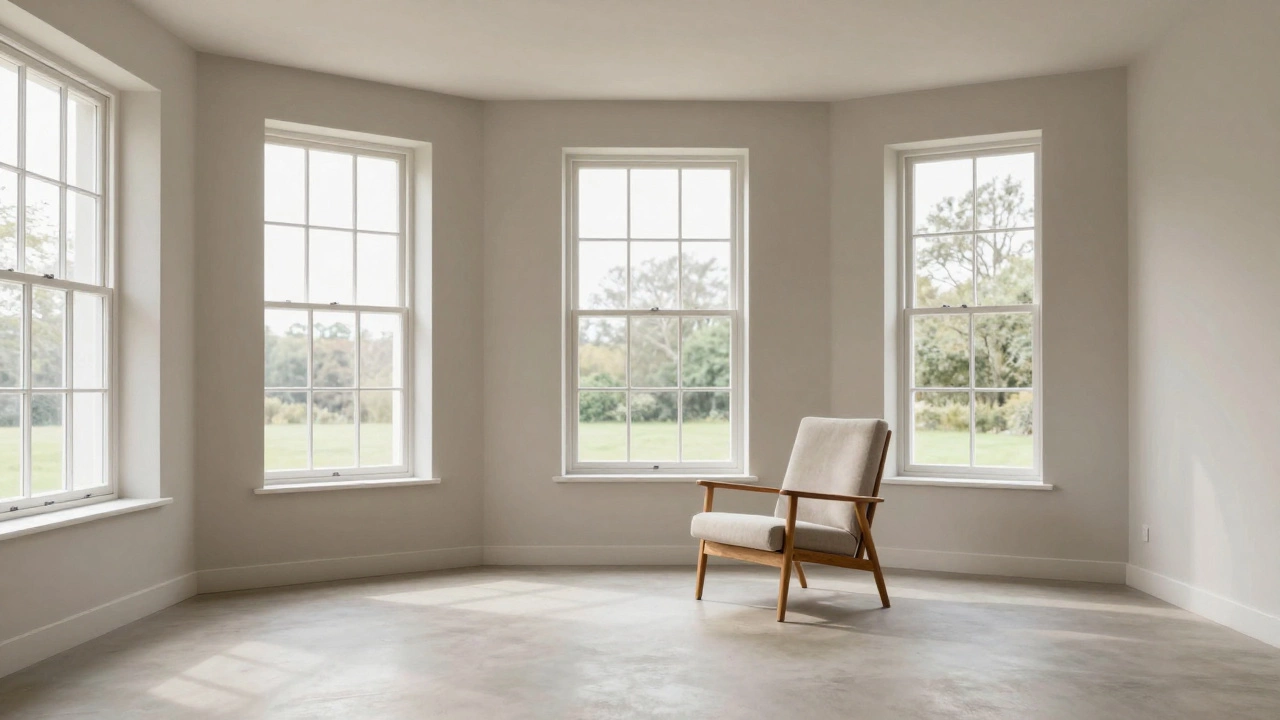
You walk into a room and see only what is necessary. No stacks of unread magazines, no tangled cords, no decorative knick-knacks gathering dust. Just clean lines, open space, and intention. To some, this looks like deprivation. To others, it looks like freedom. But what does your choice to live with less actually say about who you are?
Minimalism isn't just an aesthetic trend or a way to organize your closet. It’s a psychological signal. When you strip away the excess, you reveal your priorities, your fears, and your values. Whether you’ve been practicing minimalism is a philosophy that focuses on living with fewer possessions to reduce stress and increase focus on what truly matters for years or you’re just starting to toss old receipts, your relationship with stuff tells a story. Let’s decode what your minimalist habits reveal about your character.
The Desire for Control in a Chaotic World
If you find yourself constantly purging items you don’t use, you might be seeking control. Life feels unpredictable. Jobs change, relationships shift, and global events spiral out of our hands. But your desk? That’s yours. Your apartment? That’s under your command. By reducing clutter, you create a sense of order that counterbalances external chaos.
This trait often appears in people who value precision and efficiency. You likely dislike surprises that aren’t planned. You prefer knowing where everything is because uncertainty drains your energy. This isn’t about being rigid; it’s about conserving mental bandwidth. When your environment is calm, your mind can tackle complex problems without distraction. You’re not hoarding objects; you’re hoarding peace of mind.
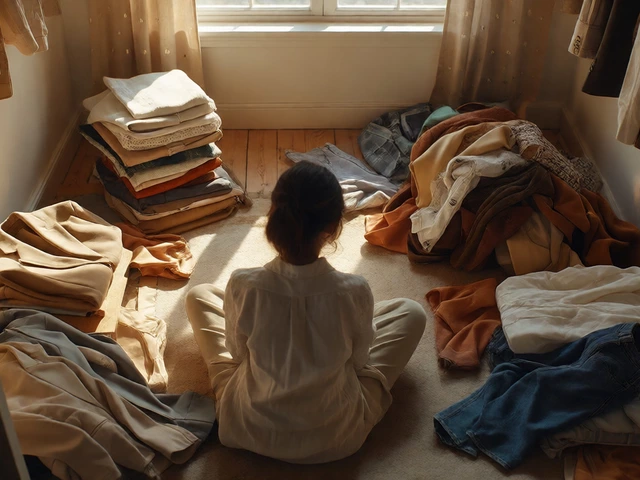
Consider the concept of cognitive load. Every object in your visual field demands a tiny bit of attention. A pile of mail says “pay bills.” A broken gadget says “fix me.” A gift you hate says “feel guilty.” By removing these silent demands, you free up brainpower for creativity and connection. If you feel lighter after cleaning, it’s not just physical-it’s neurological.
Rejection of Consumer Culture and Social Pressure
Living minimally is often a quiet rebellion against the idea that buying things equals happiness. Society pushes us to upgrade phones every year, chase seasonal fashion trends, and fill homes with gadgets we barely understand. If you resist this pull, you signal independence. You define success internally, not by what you own but by how you live.
This mindset suggests you question norms. You probably ask, “Do I need this?” before “Can I afford this?” You’re comfortable saying no to sales pitches and social expectations. Friends might invite you to buy group gifts or join shopping sprees, but you opt out. This doesn’t mean you’re cheap or stingy. It means you value authenticity over appearance.
Research in behavioral economics shows that material purchases provide short-term dopamine hits, while experiences offer lasting satisfaction. Minimalists often lean toward experiences-travel, learning skills, spending time with loved ones. If your budget goes toward concerts rather than clothes, you’re signaling that memories matter more than merchandise. You’re investing in life, not storage units.
Environmental Consciousness and Ethical Values
Your empty shelves might also reflect deep care for the planet. The production, shipping, and disposal of goods take a heavy toll on natural resources. By owning less, you reduce your carbon footprint. You’re not just saving money; you’re voting for a sustainable future with every purchase you avoid.
This trait connects to empathy and long-term thinking. You consider the impact of your actions on future generations. You might repair items instead of replacing them, buy secondhand, or choose durable quality over fast trends. These choices show patience and responsibility. You’re willing to delay gratification for a greater good.
Think about the lifecycle of a product. A cheap plastic toy breaks in weeks, ending up in a landfill. A wooden block lasts decades, passed down through siblings. Choosing the latter requires foresight. It shows you value legacy over convenience. If you read labels carefully and research brands, you’re demonstrating ethical diligence. You want your consumption to align with your conscience.

Focus on Relationships and Experiences
When you remove physical distractions, human connections become clearer. Minimalists often report deeper friendships and stronger family bonds. Why? Because they have time and space for people. They aren’t busy organizing garages or managing subscriptions. They’re present.
This priority shift reveals emotional maturity. You understand that love and support cannot be bought. You invest in conversations, shared meals, and quiet moments together. Your home becomes a hub for interaction, not a museum of objects. Guests feel welcome because there’s room to sit, talk, and relax.
Consider the difference between hosting a dinner party with expensive decor versus one with homemade food and genuine laughter. The latter leaves a lasting impression. Minimalists often excel at creating atmosphere without props. They rely on warmth, humor, and attentiveness. This skill takes practice and self-awareness. It shows you value substance over style.
Fear of Missing Out vs. Joy of Missing Out
Some people cling to stuff because they fear missing out (FOMO). They keep tickets, souvenirs, and gadgets “just in case.” Minimalists flip this script. They embrace JOMO-the joy of missing out. They know that saying no to one thing allows them to say yes to something better.
This attitude reflects confidence and clarity. You trust your decisions. You don’t regret letting go because you believe in your ability to adapt. If you lose a favorite book, you can borrow another. If you sell a piece of furniture, you can improvise. This flexibility reduces anxiety. It shows you’re secure in your identity, independent of external validation.
JOMO also encourages mindfulness. You savor what you have instead of chasing what you lack. You appreciate the sunlight streaming through bare windows. You enjoy the silence of an uncluttered room. This presence enhances well-being. Studies link mindfulness to lower stress levels and higher life satisfaction. By choosing less, you choose more awareness.
| Trait | Behavioral Indicator | Psychological Driver |
|---|---|---|
| Control-Seeking | Regular decluttering routines | Need for predictability and order |
| Independence | Resisting sales and trends | Internal locus of control |
| Ethical Awareness | Buying secondhand or durable goods | Concern for environmental impact |
| Social Focus | Prioritizing experiences over items | Value of human connection |
| Confidence | Embracing JOMO | Security in personal identity |

Common Misconceptions About Minimalists
People often misunderstand minimalism. They think it means living in an empty white box with no personality. Or they assume minimalists are cold, detached, or obsessed with perfection. None of this is true. Minimalism is highly personal. It adapts to your needs, tastes, and circumstances.
A minimalist artist might have walls covered in paintings but no extra chairs. A minimalist parent might have toys rotated weekly but plenty of books. The core principle is intentionality, not austerity. You keep what serves you and let go of what doesn’t. This flexibility shows adaptability and self-knowledge.
Another myth is that minimalism is only for wealthy people who can afford high-quality basics. In reality, many adopt it due to financial constraints. Renters, students, and low-income families often benefit most from downsizing. Less stuff means lower costs, easier moves, and reduced maintenance. This practicality highlights resourcefulness and resilience.
How to Start If You’re Curious
If you’re intrigued by what minimalism says about you, try a small experiment. Pick one drawer or shelf. Remove everything. Ask yourself if each item brings value or joy. Keep only those that do. Notice how the space feels afterward. Does it breathe? Do you feel calmer?
Start with digital clutter too. Unsubscribe from newsletters, delete unused apps, and organize files. Digital minimalism mirrors physical minimalism. Both reduce noise and improve focus. Track your progress. Write down how you feel after each purge. Patterns will emerge. You’ll discover what truly matters to you.
Remember, minimalism isn’t a competition. There’s no prize for having the fewest items. It’s a tool for self-discovery. Use it to clarify your goals, strengthen your values, and enhance your daily life. The goal isn’t emptiness; it’s alignment. When your surroundings match your inner world, you thrive.
Does minimalism mean I have to get rid of all my hobbies?
No. Minimalism supports hobbies that bring genuine joy. If painting makes you happy, keep your brushes. If gardening fulfills you, maintain your tools. The key is ensuring each hobby adds value rather than becoming a source of guilt or clutter.
Is minimalism suitable for families with children?
Absolutely. Families can benefit greatly from minimalism. Fewer toys mean less mess and more focused play. Rotating items keeps things fresh. Teaching kids to value experiences over objects builds strong character early on.
Can minimalism help with anxiety?
Yes. Clutter increases cortisol levels by creating visual stress. Reducing possessions lowers sensory overload, promoting calm. Many people report feeling more relaxed and mentally clear after simplifying their environments.
Do I need to throw everything away to be a minimalist?
Not at all. Minimalism is about intention, not elimination. Donate, sell, or repurpose items you no longer use. Keep what serves your current life. Progress matters more than perfection.
How do I handle sentimental items?
Sentimental items require careful consideration. Take photos of objects that hold memory but take up space. Keep a few meaningful pieces. Remember, the emotion lives in you, not the object. Letting go frees space for new memories.
Is minimalism expensive to start?
No. Minimalism saves money. You stop buying unnecessary items. You repair instead of replace. You prioritize quality over quantity. Over time, these habits lead to significant financial savings and reduced waste.